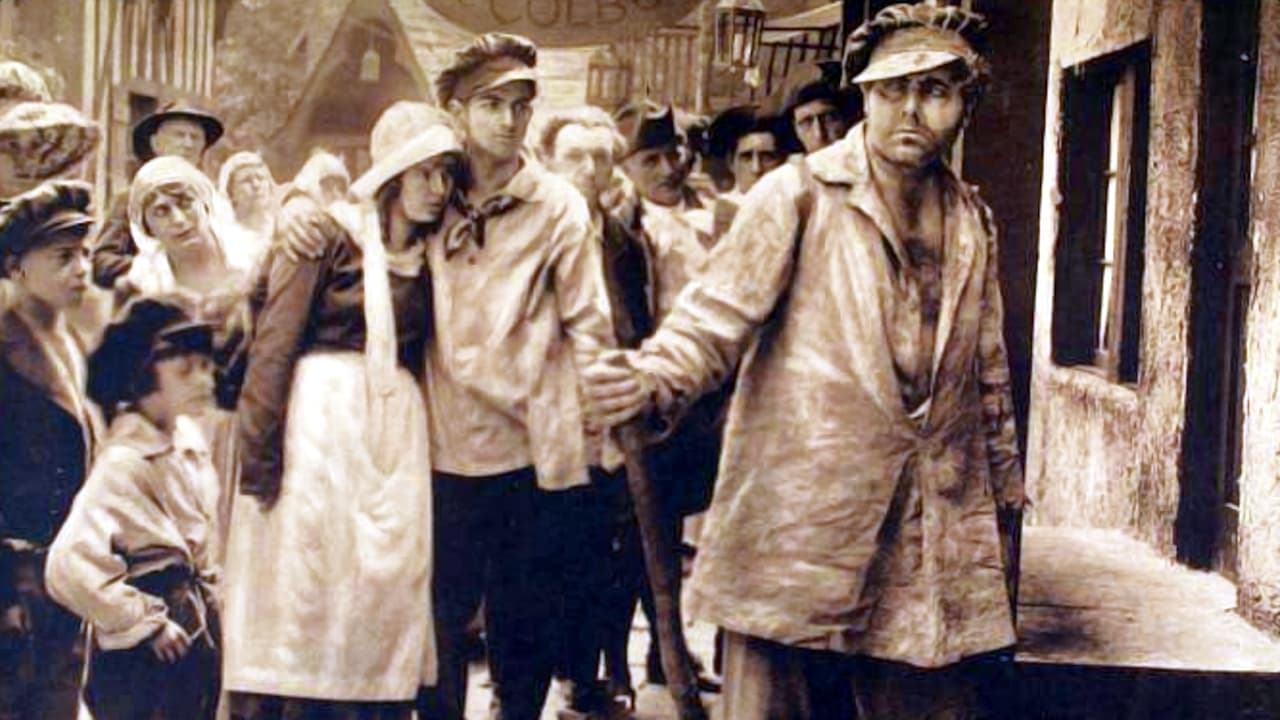

Movie spotlight
Les Misérables
In 19th century France, Jean Valjean, a man imprisoned for stealing bread, must flee a relentless policeman named Javert. The pursuit consumes both men's lives, and soon Valjean finds himself in the midst of the student revolutions in France.
Insights
Plot Summary
This early silent film adaptation of Victor Hugo's novel follows the life of Jean Valjean, an ex-convict desperate for redemption. He breaks parole to raise a young girl, Cosette, while being relentlessly pursued by the determined Inspector Javert. Set against the backdrop of 19th-century France, the story explores themes of justice, love, and sacrifice.
Critical Reception
As one of the earliest major adaptations of a literary classic, this silent film was a significant cinematic event. While specific critical reviews from 1917 are scarce, its ambition and scope were noted for the time. Modern historians of silent film recognize its importance as an early attempt to bring complex narratives to the screen, often highlighting its melodrama and dramatic performances.
What Reviewers Say
A monumental early adaptation of a beloved novel.
Features powerful performances in the silent film style.
Captures the epic sweep of Hugo's story despite limitations of the era.
Google audience: Information on Google user reviews for this 1917 film is not readily available.
Fun Fact
This silent film adaptation was one of the most ambitious American productions of its time, utilizing thousands of extras for its crowd scenes and battle sequences, a remarkable feat for early cinema.
AI-generated overview · Verify ratings on official sources