
Movie spotlight
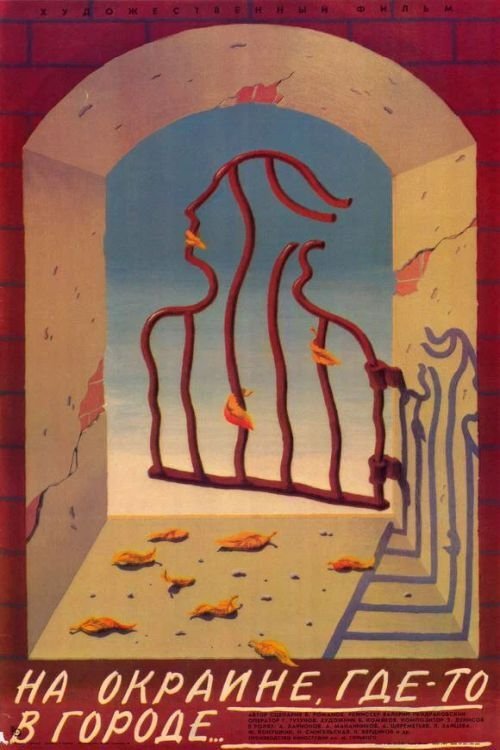
Na okraine, gde-to v gorode...
The problems of the soviet school system: A Mother, tired and stupefied by her two sons. A stepfather, who could not care less. A teacher, who is trying to reach the heart of every student, those guys who do not know, where to put their energy ...
Insights
Plot Summary
The film follows the intertwined lives of several characters in a provincial Soviet town. Amidst the everyday struggles and personal dramas, themes of disillusionment, moral compromise, and the search for meaning in a stagnant society emerge. The narrative explores how individual choices are shaped by the limited opportunities and pervasive atmosphere of their surroundings.
Critical Reception
This film is recognized as a significant piece of late Soviet cinema, often categorized as part of the 'kinopravda' (cinema truth) movement, which sought to depict the realities of Soviet life with unflinching honesty. It was noted for its stark portrayal of provincial life and its exploration of complex social and psychological themes, resonating with audiences who felt alienated by the era's societal norms.
What Reviewers Say
Praised for its raw and authentic depiction of provincial Soviet life.
Lauded for its strong performances, particularly from its female lead.
Acknowledged for its melancholic tone and exploration of societal stagnation.
Google audience: N/A
Fun Fact
The film's title, 'Na okraine, gde-to v gorode...' which translates to 'On the outskirts, somewhere in the city...', contributes to its sense of anonymity and the universality of the struggles depicted.
AI-generated overview · Verify ratings on official sources