
Movie spotlight
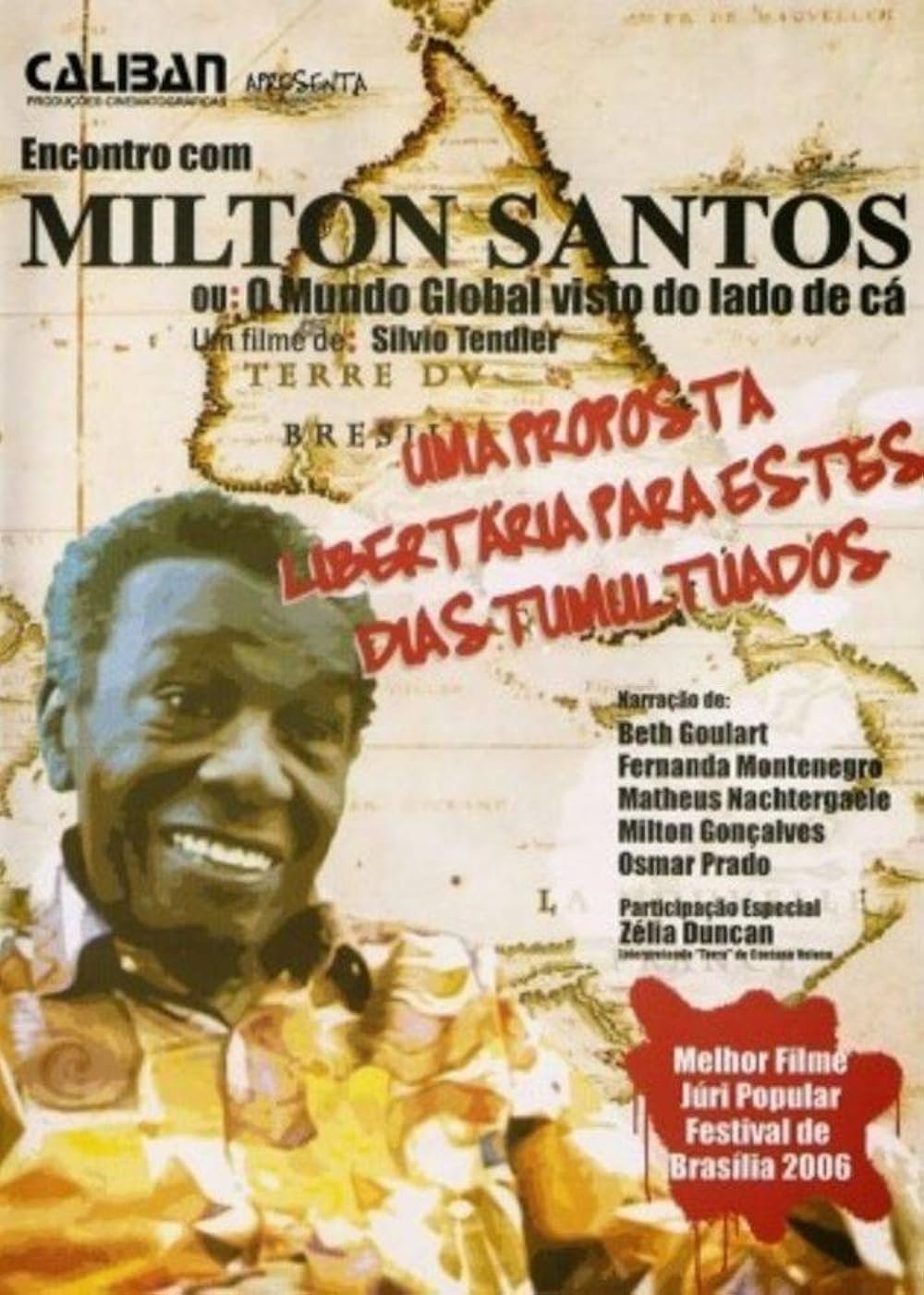
A Meeting with Milton Santos
The film deals with the process of globalization based on the thought of geographer Milton Santos, who through his ideas and practices, inspires the debate about Brazilian society and the construction of a new world. Santos discusses his views on the importance of respecting difference and his belief that an alternative globalisation model could wholly enfranchise all citizens of the world. An illustrious presence in 20th century social sciences, the man dubbed as ‘geography’s philosopher’ eloquently elucidates a developing world perspective on the global age.
Insights
Plot Summary
This documentary offers an intimate look at the life and work of Milton Santos, a pivotal figure in Brazilian geography and critical thought. Through interviews and archival footage, the film explores his intellectual journey, his profound contributions to understanding space, territory, and globalization, and his influence on generations of scholars. It serves as a tribute to his legacy and enduring relevance.
Critical Reception
The documentary was generally well-received by critics and audiences who appreciated its in-depth exploration of Milton Santos's significant intellectual contributions. It is often cited as an important work for understanding Brazilian thought and critical geography.
What Reviewers Say
An insightful and respectful tribute to a monumental intellectual.
Provides a comprehensive overview of Santos's key ideas and their impact.
Essential viewing for anyone interested in Brazilian intellectual history and critical geography.
Google audience: Information on specific Google user reviews for this documentary is not readily available, but it is recognized within academic circles for its valuable content on Milton Santos.
Fun Fact
Milton Santos was a leading figure in the development of critical geography and is renowned for his concept of 'globalization of science', arguing that knowledge production is concentrated in a few global centers.
AI-generated overview · Verify ratings on official sources