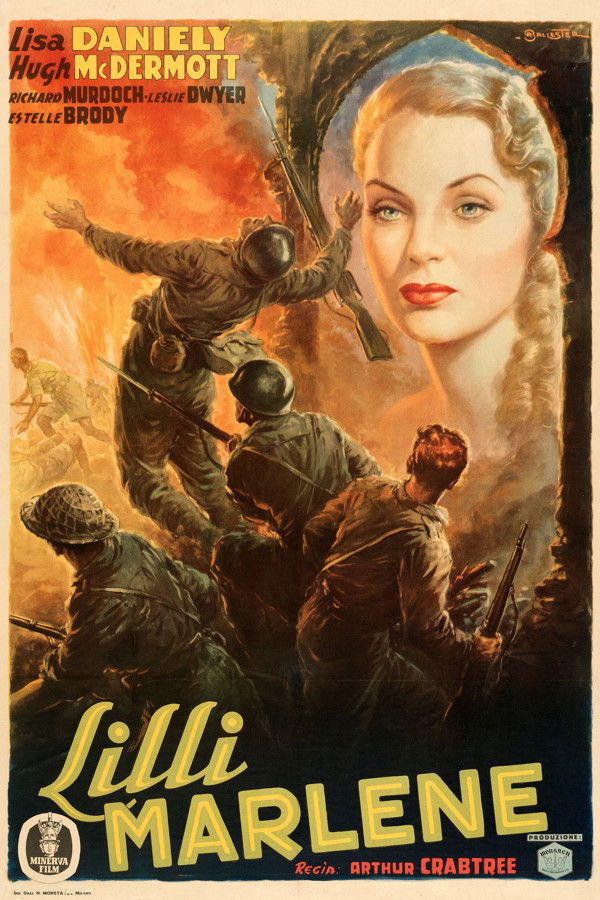
Director: Paul Martin•Genres: Drama, War
During World War II, a popular singer, Lilli Marlene, becomes a symbol of hope for soldiers on both sides of the conflict. Her iconic song, "Lili Marleen," resonates deeply, creating a complex situation for her as she navigates the pressures of wartime propaganda and her own personal desires. The film explores the human cost of war and the power of music to transcend political divides.
As a German film made shortly after the war, "Lilli Marlene" was significant for its attempt to grapple with the recent past and the role of popular culture within it. While not a major international critical success, it was noted for its portrayal of Lale Andersen and the song's immense cultural impact during the war. Audience reception in Germany was generally positive, recognizing its historical context.
Praised for its depiction of the song's immense popularity and its singer.
Seen as an interesting, albeit dramatized, look at a cultural phenomenon during wartime.
Some critics noted the film's earnest tone in trying to make sense of the war's impact.
Google audience: Information on Google user reviews for this specific film is not readily available.
The film's star, Lale Andersen, famously portrayed herself and sang the iconic song 'Lili Marleen,' which had become a massive hit and a symbol of longing for soldiers on both the Allied and Axis fronts during World War II.
AI-generated overview · Verify ratings on official sources