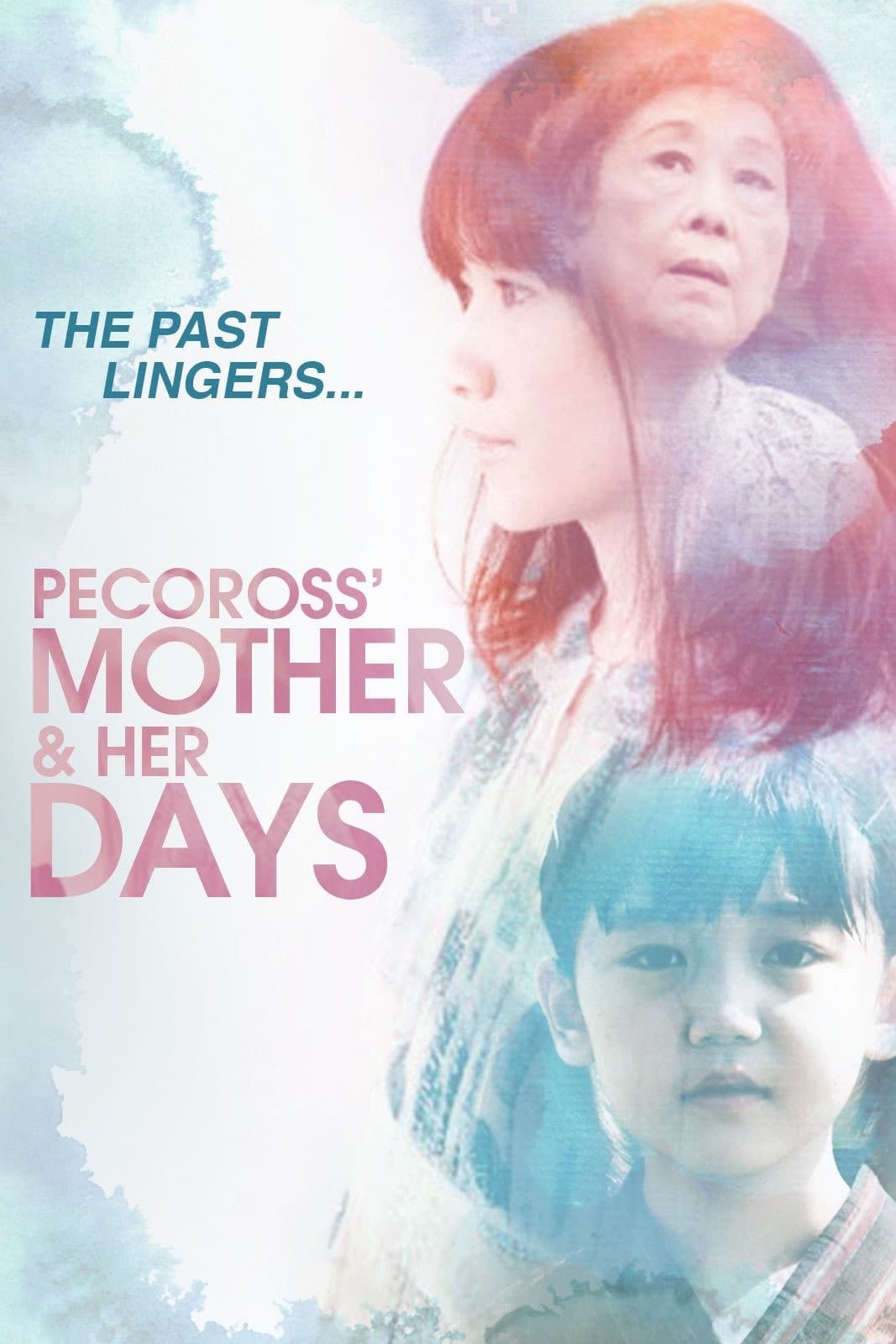
Pecoross' Mother and Her Days
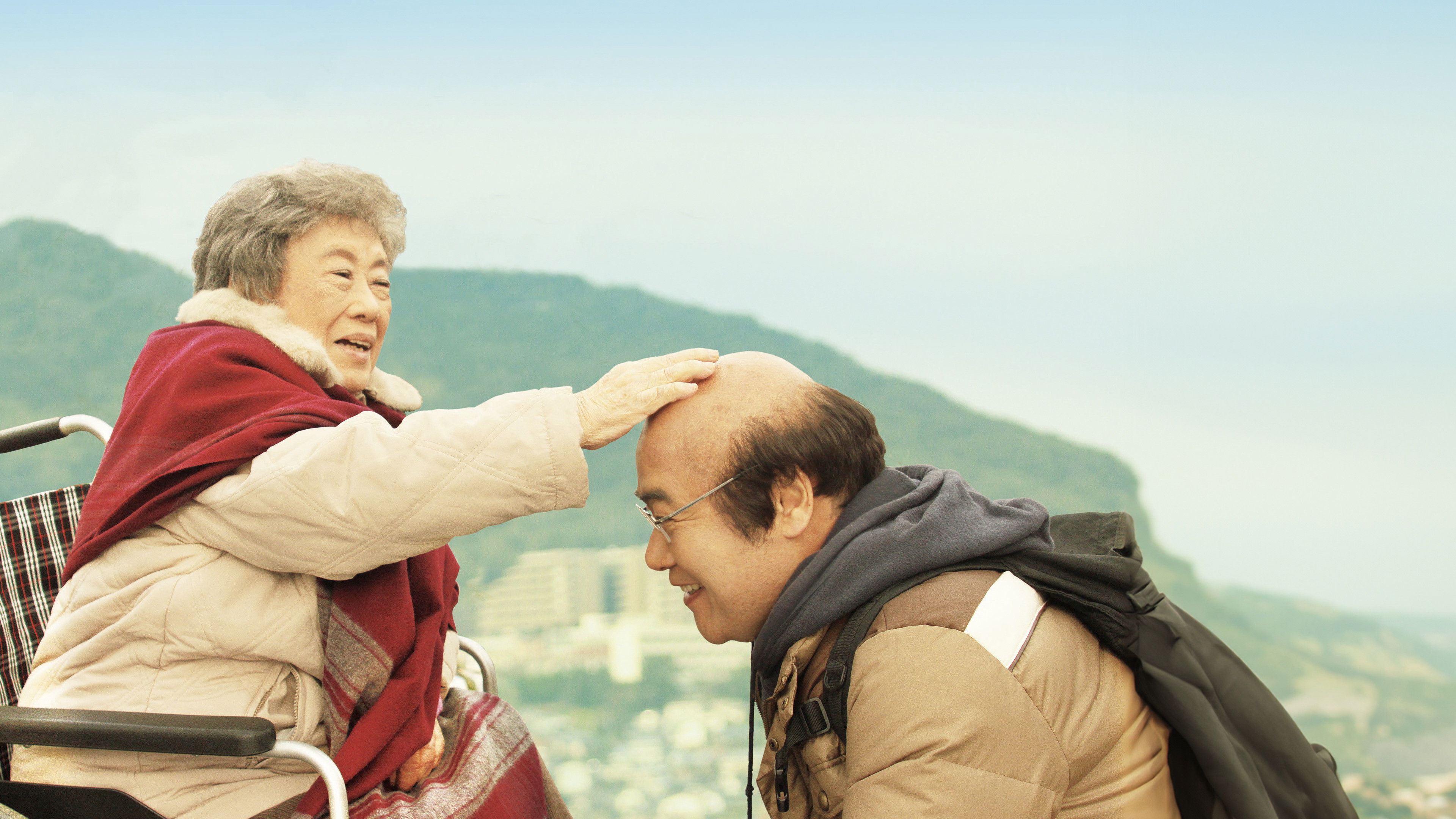
Laid-back baby boomer Yuichi (Ryo Iwamatsu) is a middle-aged manga artist and singer-songwriter when he isn't at his salaryman day job or watching out for his elderly mother. Suffering from increasing dementia since her husband's death, Mitsue (Harue Akagi) is a constant source of comic energy or annoyance for Yuichi, and he and his son must soon decide if they should put her in a home for the elderly. Jumping back in time, we see how Mitsue (played by Kiwako Harada) tracked the tumult of the latter half of the 20th century, being raised as one of 10 brothers and sisters, surviving the war, and having to push her alcoholic husband (Ryo Kase) along in life. "Pecoross" is directed by the oldest active film director in Japan, Azuma Morisaki, who creates an emotionally complex work that is only the more profound and life-affirming for its cartoonish portrayal.
Insights
Plot Summary
Chiyo, a retired woman, decides to finally leave her husband and move to the city to pursue her dream of becoming a singer, a passion she had suppressed for years. Her estranged daughter, Yukiko, is forced to confront her own feelings and past when she learns of her mother's sudden departure. The film explores themes of regret, reconciliation, and the pursuit of personal fulfillment in later life.
Critical Reception
Pecoross' Mother and Her Days received positive reviews from critics, who praised its emotional depth and strong performances, particularly from Kyôko Koizumi. Audiences also responded well to its relatable themes of family dynamics and personal dreams.
What Reviewers Say
- Praised for its heartfelt portrayal of maternal relationships and individual aspirations.
- Kyôko Koizumi's performance as the determined mother was widely lauded.
- The film effectively captures the bittersweet journey of self-discovery and reconciliation.
Google audience: Information not available.
Fun Fact
The film's original Japanese title, 'Meganebashi', translates to 'Eyeglasses Bridge', referring to a significant location in the story that symbolizes connection and perspective.
AI-generated overview · Verify ratings on official sources