Movie spotlight
The Rise & Fall of Penn Station
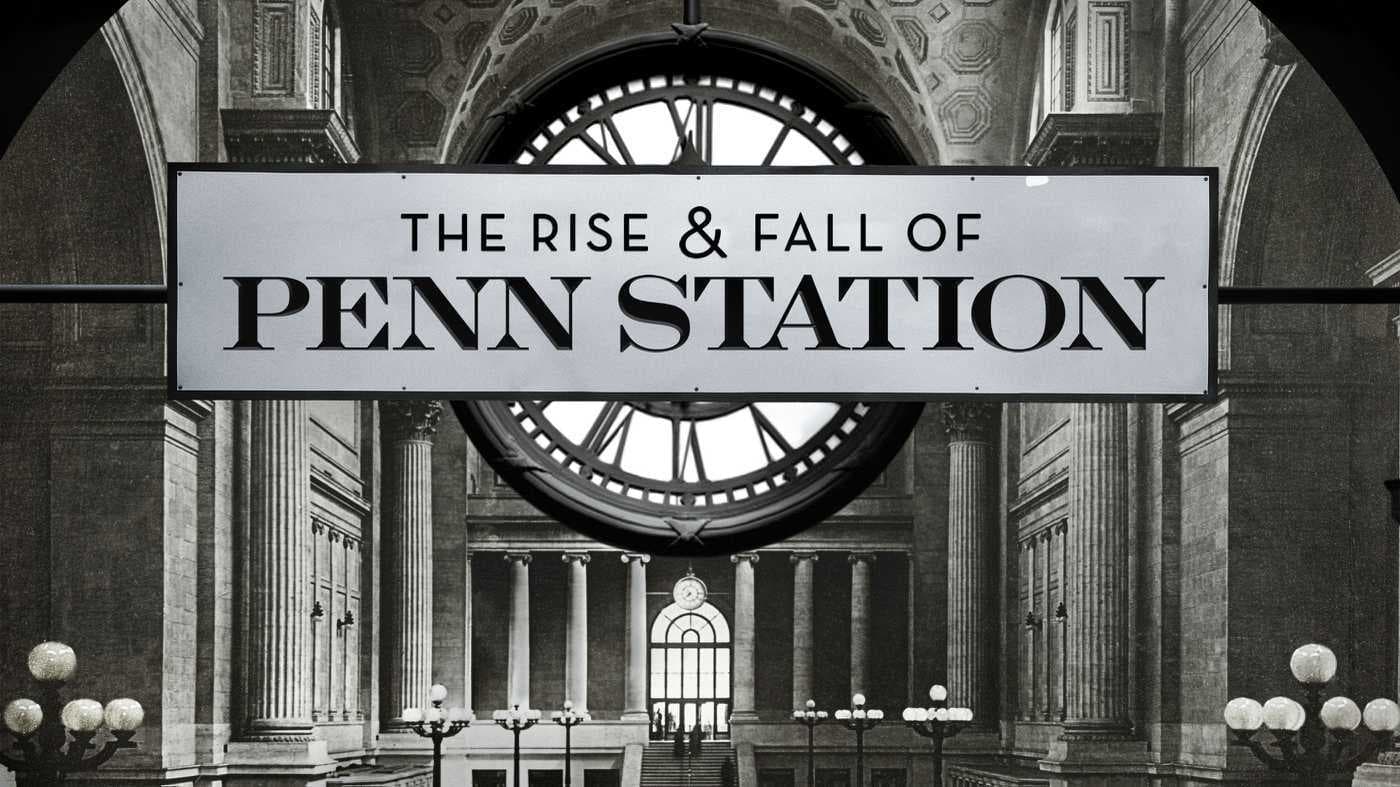
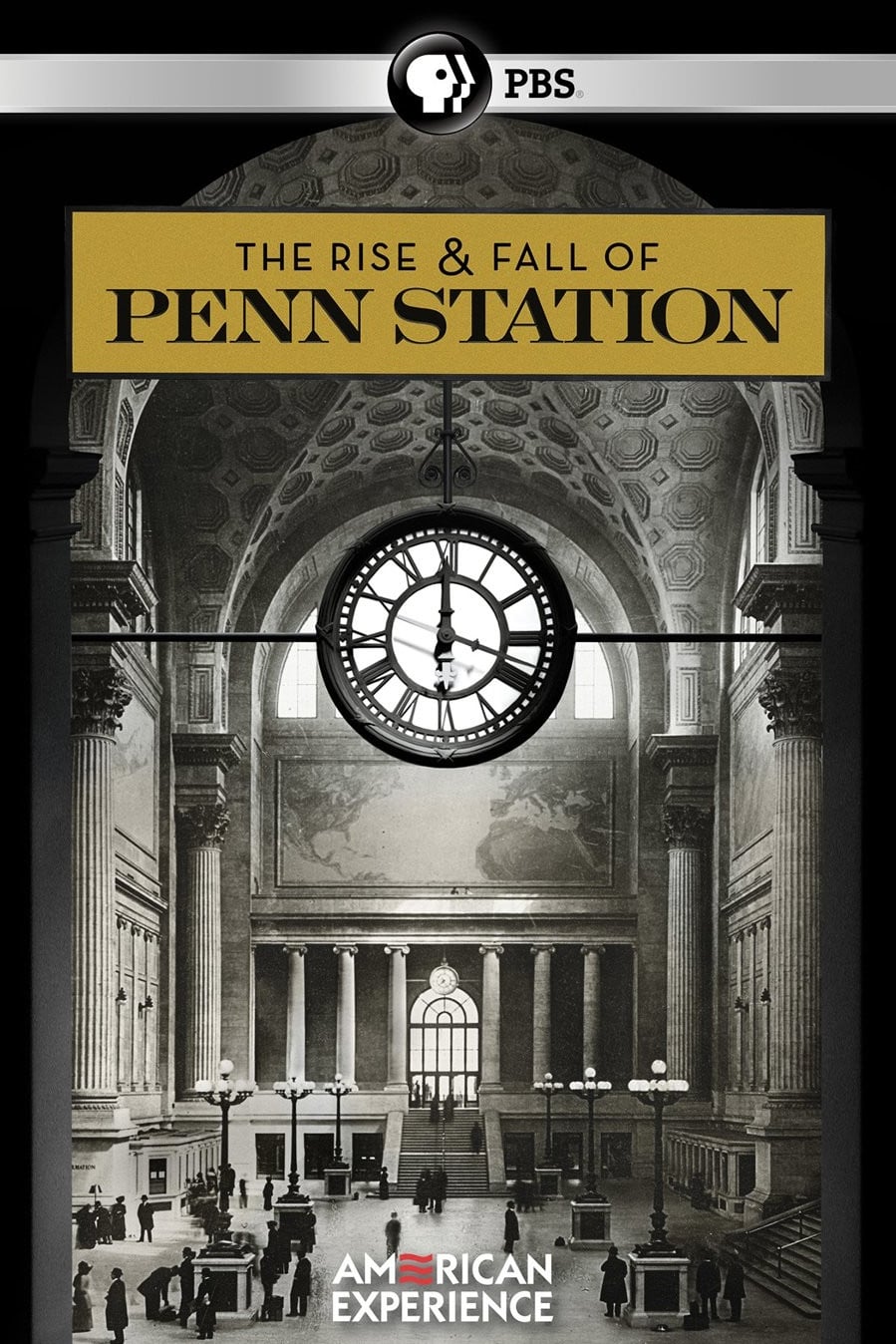
In 1910, the Pennsylvania Railroad successfully accomplished the enormous engineering feat of building tunnels under New York City's Hudson and East Rivers, connecting the railroad to New York and New England, knitting together the entire eastern half of the United States. The tunnels terminated in what was one of the greatest architectural achievements of its time, Pennsylvania Station. Penn Station covered nearly eight acres, extended two city blocks, and housed one of the largest public spaces in the world. But just 53 years after the station’s opening, the monumental building that was supposed to last forever, to herald and represent the American Empire, was slated to be destroyed.
Insights
Plot Summary
This documentary chronicles the history of New York City's Pennsylvania Station, from its grand opening in 1910 to its controversial demolition in the 1960s and the subsequent rise of its replacement. It explores the architectural significance, the societal impact, and the public outcry surrounding the destruction of a beloved landmark.
Critical Reception
The documentary was generally well-received for its insightful look into a significant piece of New York's architectural and social history. Critics praised its archival footage and narrative, highlighting its importance in understanding urban development and preservation debates.
What Reviewers Say
Praised for its comprehensive historical account of Penn Station.
Commended for its use of visuals and narration to tell a compelling story.
Appreciated for its commentary on urban planning and landmark preservation.
Google audience: Information on Google user reviews for this specific documentary is not readily available.
Fun Fact
The film features former Amtrak president and CEO, and noted urban planner, Paul Giamatti (not the actor) as a prominent commentator on the station's history and demise.
AI-generated overview · Verify ratings on official sources