
Movie spotlight
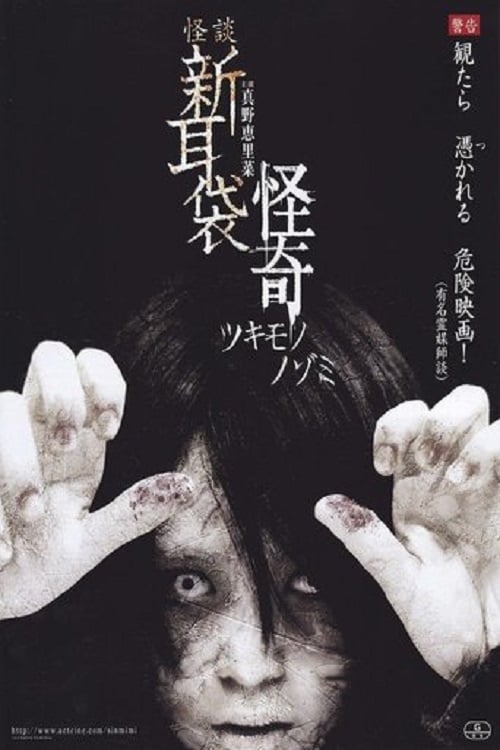
Kai-Ki: Tales of Terror from Tokyo
Tsukimono - Ayumi Kirishima is a college student who has just completed her second interview with a prospective employer. Ayumi then takes a bus to get to class and comes across a creepy barefooted woman. When the woman startes shaking and hiccuping, Ayumi asks the woman if she is OK. The woman responds with a cryptic remark that hastens Ayumi's departure off the bus. Later that day, the creepy woman appears in front of a window in Ayumi's classroom. All the students become startled by her appearance... Nozomi - The memory of high school student Megumi Fujisawa's 11th birthday still haunts her to this day. On her 11th birthday, Megumi's younger sister Nozomi was found dead. Her younger sister drowned in a lake surrounded by the woods. Since her death, whenever Megumi's birthday approaches she experiences illusions and refuses to go to school. Those illusions attacks Megumi and becomes more fierce.
Insights
Plot Summary
This anthology film presents a collection of unsettling urban legends and ghost stories from contemporary Japan. Each segment delves into different facets of modern fear, exploring the dark underbelly of city life and the anxieties that plague its inhabitants. From haunted technology to vengeful spirits, 'Kai-Ki' offers a diverse range of chilling narratives.
Critical Reception
Kai-Ki received a mixed reception from critics, with many acknowledging its atmospheric tension and inventive scares, while others found the storytelling uneven across its various segments. Audiences interested in Japanese horror and urban legends generally found it to be a decent entry into the genre, appreciating its commitment to unsettling themes.
What Reviewers Say
Praised for its effective atmosphere and unsettling urban legend-based stories.
Criticized by some for inconsistent pacing and narrative quality between segments.
A worthy watch for fans of contemporary Japanese horror.
Google audience: Audience reception data is not readily available.
Fun Fact
The film draws inspiration from popular Japanese urban legends, commonly referred to as 'mukashi banashi' or 'denpa-shūden,' which are modern folklore spread through word-of-mouth and the internet.
AI-generated overview · Verify ratings on official sources