Movie spotlight
The Good Soldier Svejk
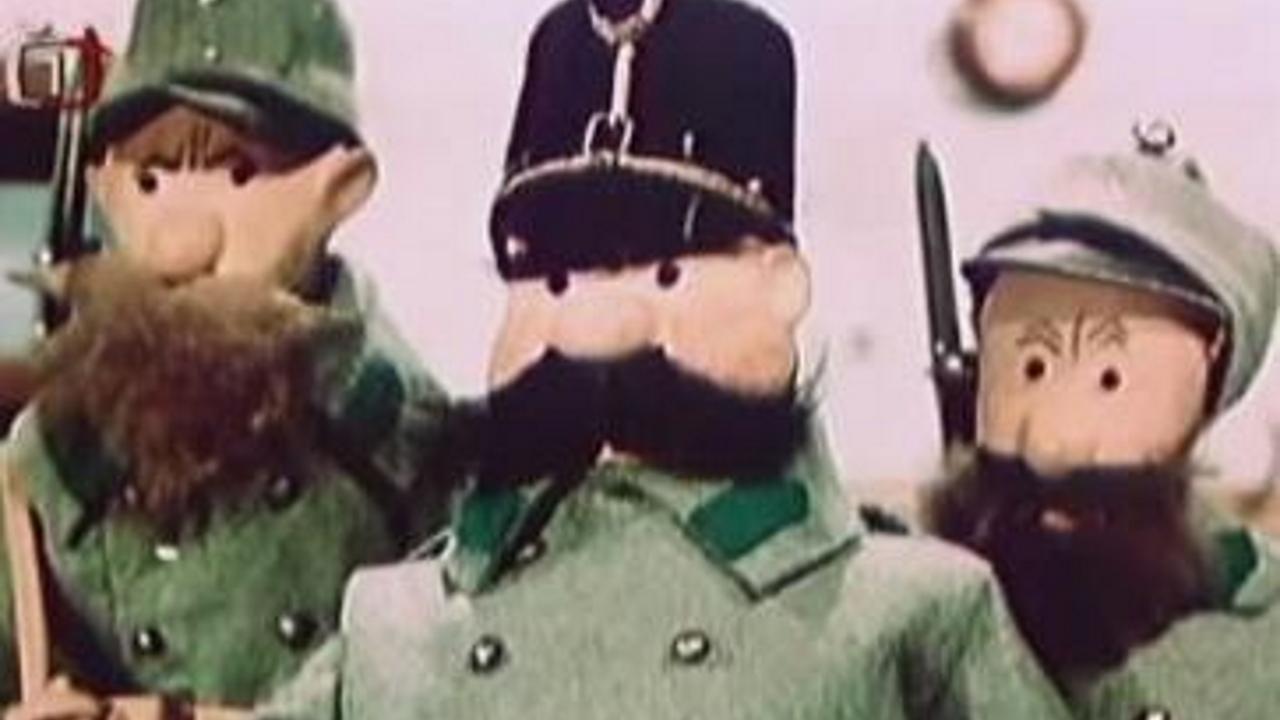
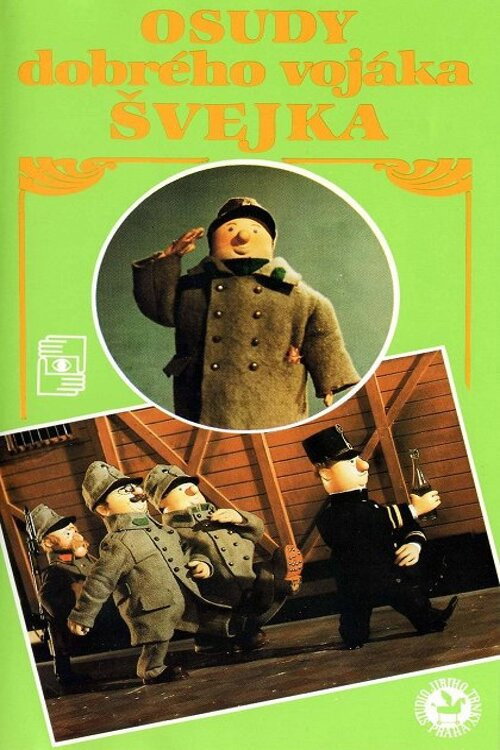
Adapting Jaroslav Hasek's raucous satirical novel, and also bringing Josef Lada's equally famous illustrations to garrulous puppet life, posed Trnka one of his biggest creative challenges. Trnka himself felt that the final episode was the most artistically successful, but there's much to enjoy in all three, not least the way that the lackadaisical layabout Svejk's own self-serving anecdotes are realized through cut-out animation.
Insights
Plot Summary
In this satirical Czech film, the "good soldier" Josef Švejk navigates the absurdities and bureaucracy of the Austro-Hungarian Empire during World War I. Despite his seemingly dim-witted exterior and penchant for rambling stories, Švejk's actions often unintentionally subvert the authority of his superiors. He continuously finds himself in hilariously preposterous situations as he tries to fulfill his duties, only to expose the senselessness of war and the incompetence of those in charge.
Critical Reception
The film is a classic of Czech cinema, widely praised for its dark humor and biting satire of war and authority. It is celebrated for its faithful adaptation of Jaroslav Hašek's iconic novel and its strong performances, particularly from Rudolf Hrusinsky.
What Reviewers Say
Praised for its dark, satirical wit and anti-war message.
Rudolf Hrusinsky's portrayal of Schweik is considered iconic.
Appreciated for its clever subversion of authority and bureaucratic absurdity.
Google audience: Audience reception is generally very positive, with viewers often highlighting the film's enduring humor and its sharp critique of war and militarism.
Fun Fact
The character of Švejk is so iconic in Czech culture that his name has become synonymous with a "lovable idiot" or someone who uses feigned stupidity to navigate difficult situations.
AI-generated overview · Verify ratings on official sources