Movie spotlight
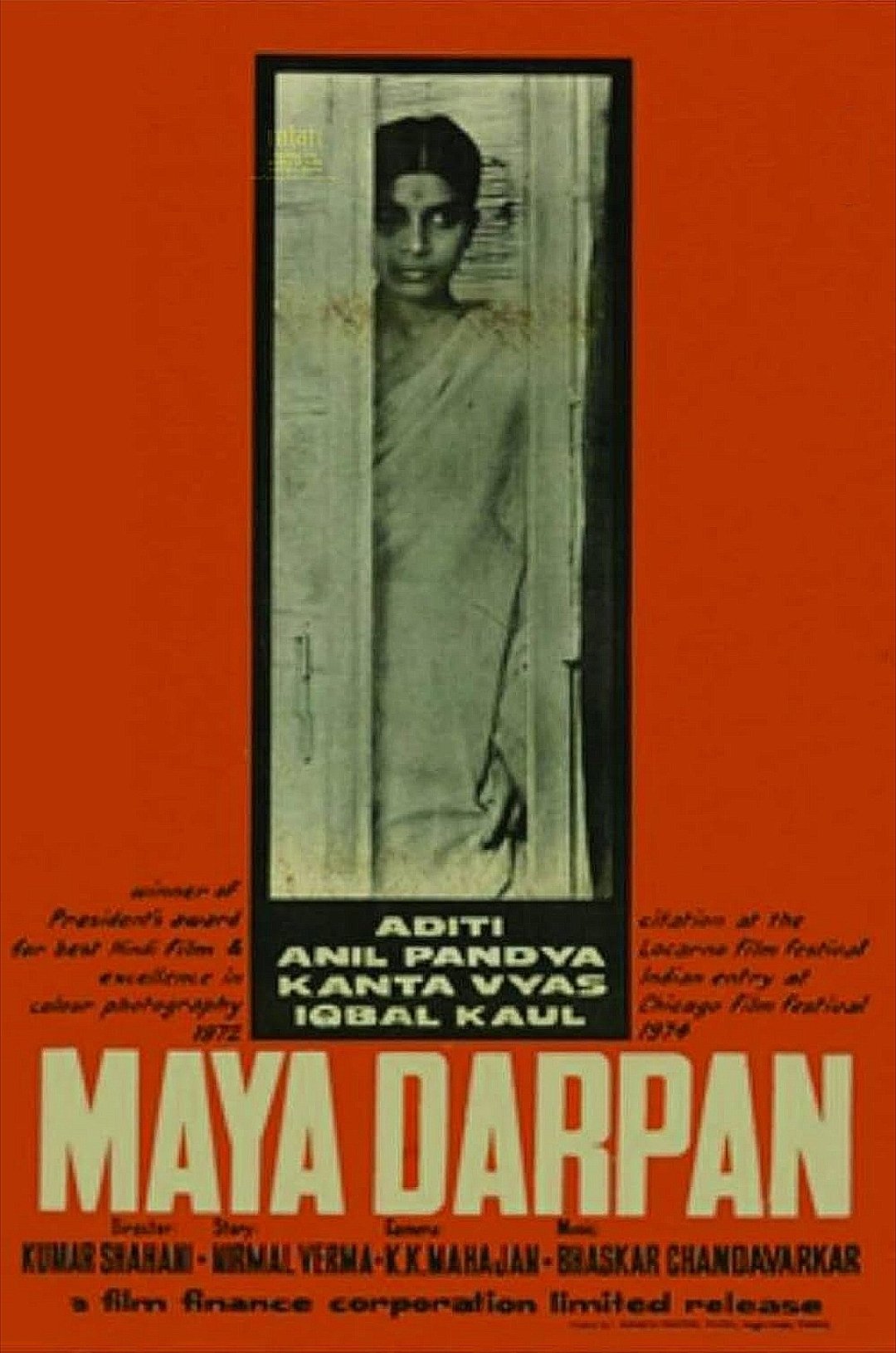
Maya Darpan
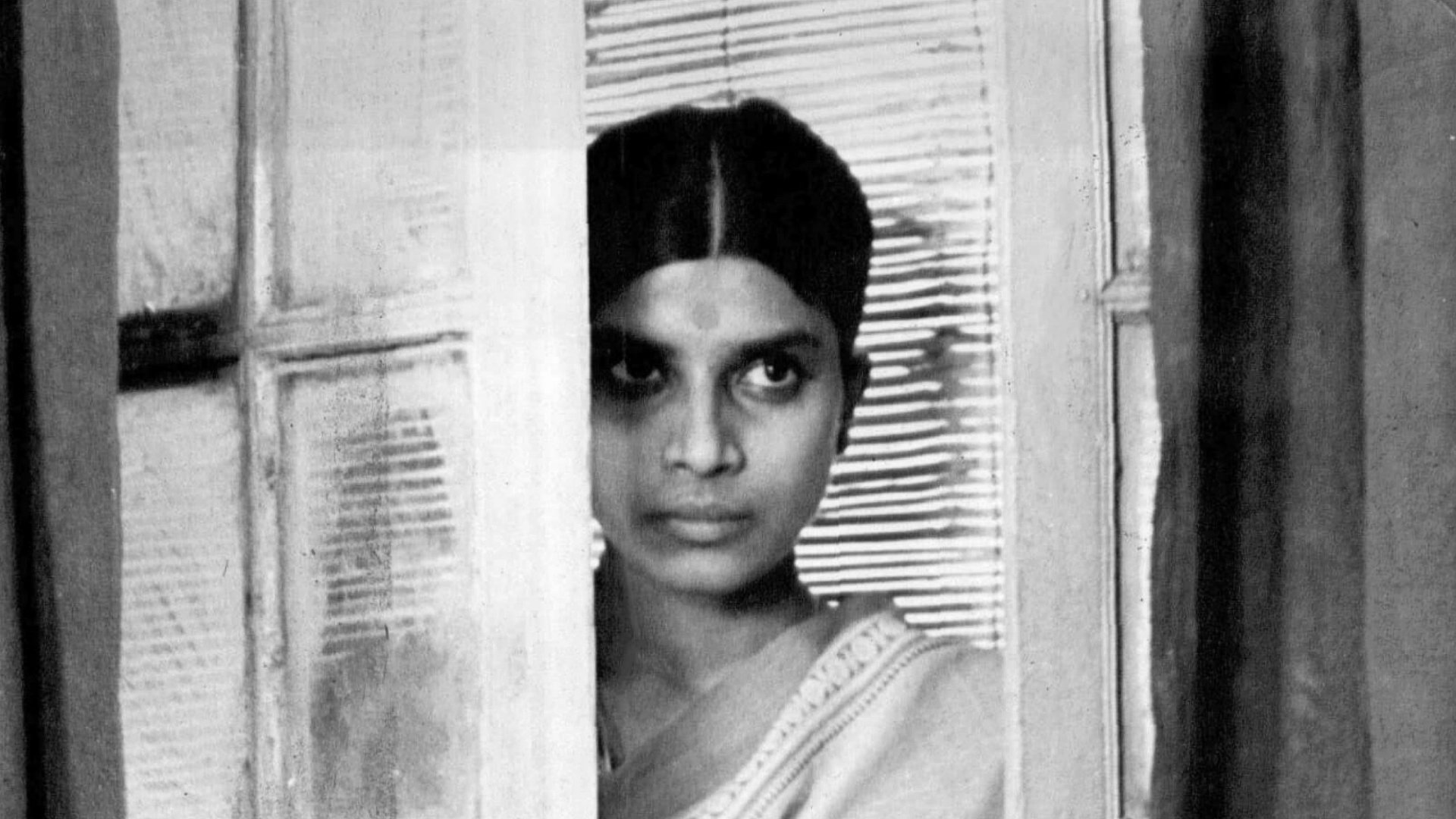
Taran lives with her father in a small town on the cusp of industrialization. Taran has a strained relationship with her father, who is increasingly bitter as he is unable to find a suitable match for his daughter. The young woman finds solace in her interactions with an engineer.
Insights
Plot Summary
In a rural Indian village, a young woman named Nirupama is trapped in a loveless marriage and struggles against societal expectations and her own desires. Her growing disillusionment is mirrored in the stark landscapes and her increasingly introspective state. The film explores themes of female identity, repression, and the search for personal freedom within a restrictive patriarchal system. Nirupama's internal turmoil and her yearning for a different life form the core of this poignant narrative.
Critical Reception
Maya Darpan is a significant film in parallel cinema, lauded for its artistic merit and unconventional narrative. While it may not have achieved widespread commercial success, it is highly regarded by critics for its intellectual depth, visual poetry, and nuanced portrayal of female agency. It is considered a landmark film in Indian art-house cinema.
What Reviewers Say
Praised for its bold and experimental visual style.
Acclaimed for its sensitive and complex exploration of female consciousness.
Recognized as an important work of Indian parallel cinema.
Google audience: Information about Google user reviews for this film is not readily available.
Awards & Accolades
Screened at the 1973 Cannes Film Festival (Directors' Fortnight).
Fun Fact
Kumar Shahani, the director, was a student of the renowned filmmaker Ritwik Ghatak and his influence is often noted in Shahani's work, particularly in the use of space and sound.
AI-generated overview · Verify ratings on official sources