
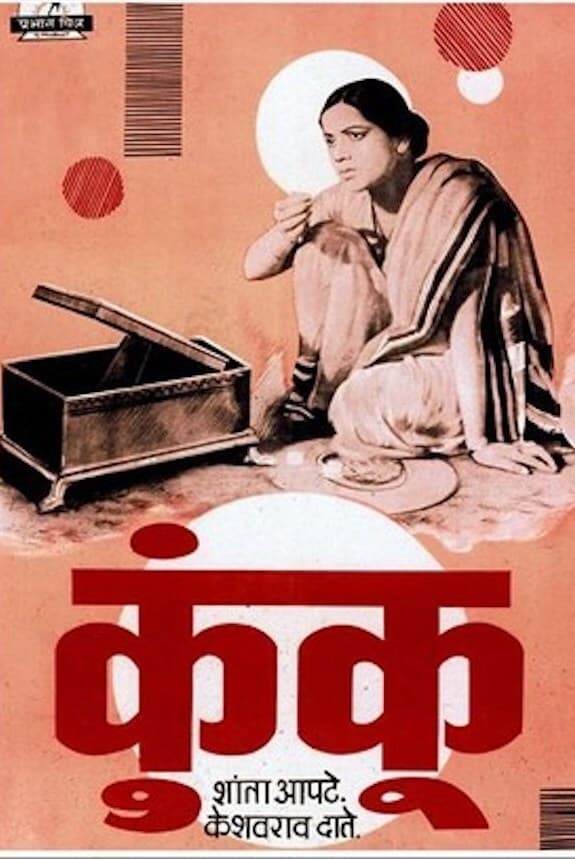
Movie spotlight
Kunku
Neera (Apte) is trapped into marrying an old widower Kakasaheb (Date). He is a progressive lawyer with a son and daughter of Neera's age. Neera refuses to consummate the union claiming that while suffering can be borne, injustice cannot. Neera faces many hurdles including her mother-in-law and a lascivious stepson Pandit (Nene).
Insights
Plot Summary
The film tells the story of a young woman who is married to an older, wealthy man who already has a son. She faces societal challenges and personal struggles as she navigates her role in the family and society. The narrative explores themes of tradition, women's rights, and societal expectations in early 20th-century India.
Critical Reception
Kunku was a landmark film in Indian cinema, praised for its progressive themes and social commentary. It was critically acclaimed for its direction, performances, and bold portrayal of women's issues, making a significant impact on audiences and filmmakers alike.
What Reviewers Say
Praised for its powerful social message and V. Shantaram's progressive directorial vision.
Commended for Shanta Apte's compelling performance as the protagonist.
Recognized as a significant film for its time in addressing women's issues.
Google audience: Audience reception, particularly for a film of this era, is difficult to quantify with modern metrics. However, historical accounts suggest it resonated with audiences for its thought-provoking narrative and its challenge to societal norms.
Awards & Accolades
None notable (specific awards not widely documented for this era).
Fun Fact
Kunku was one of the early Indian films to tackle sensitive social issues like child marriage and women's rights with a progressive outlook, setting a precedent for future socially conscious cinema.
AI-generated overview · Verify ratings on official sources