

Steamboat Bill, Jr.
The just-out-of-college, effete son of a no-nonsense steamboat captain comes to visit his father whom he's not seen since he was a child.
Insights
Plot Summary
John King, son of a steamboat captain, returns from college to find his father's business in financial ruin and his father facing jail time. He tries to help his father, but his modern ways clash with the old captain's. Meanwhile, John falls for the daughter of the steamboat company's rival, leading to humorous complications and a dramatic rescue during a devastating hurricane.
Critical Reception
Steamboat Bill, Jr. is widely regarded as a masterpiece of silent comedy and one of Buster Keaton's finest films, celebrated for its brilliant comedic set pieces, innovative stunts, and surprisingly effective blend of humor and drama. Despite a lukewarm initial reception, its reputation has grown significantly over time, earning its place among the classics of American cinema.
What Reviewers Say
- A pinnacle of silent comedy, showcasing Keaton's signature physical gags and deadpan delivery.
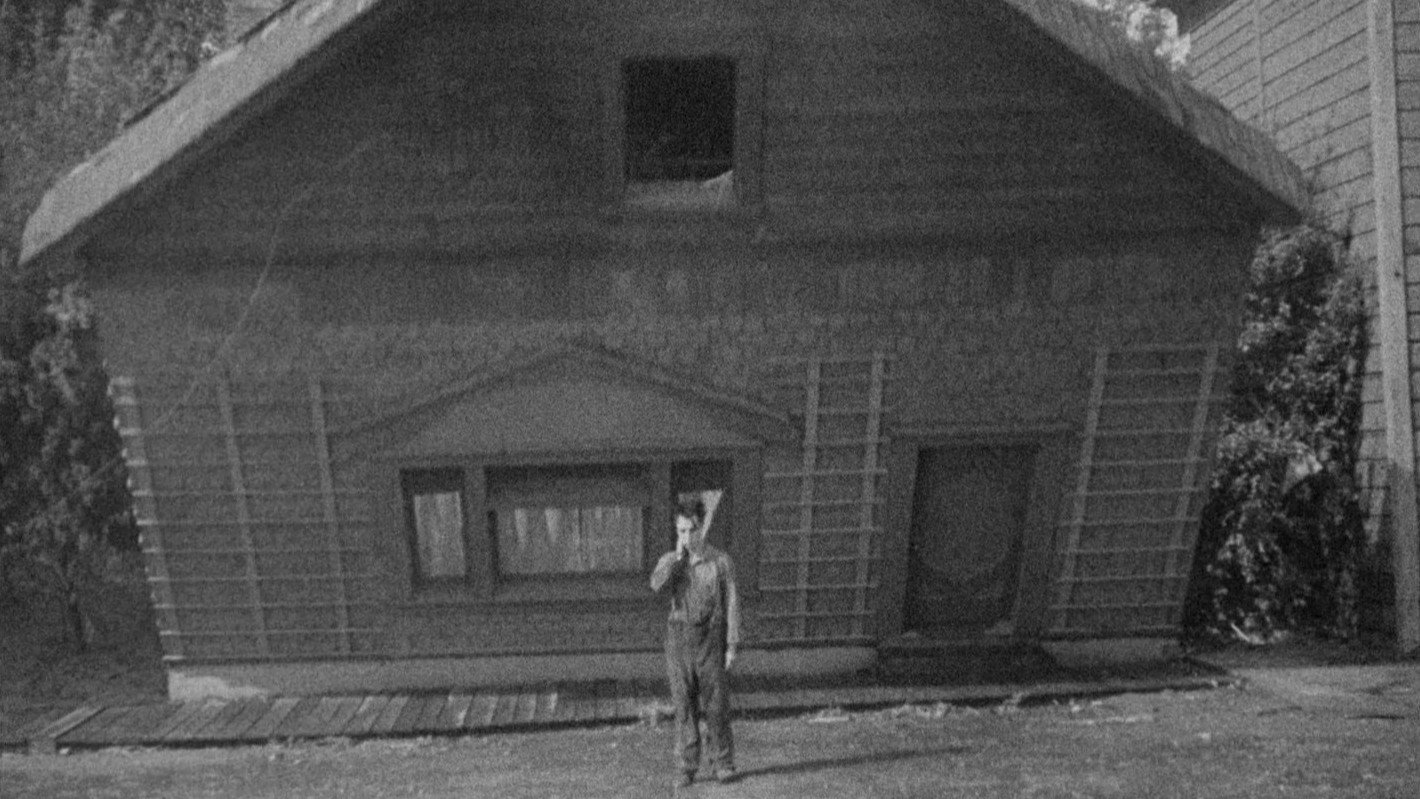
- Features some of the most iconic and dangerous stunts in film history, particularly the "falling house" scene.
- Despite its initial commercial failure, it is now recognized as a groundbreaking work of cinematic art.
Google audience: Audiences consistently praise Steamboat Bill, Jr. for its timeless humor, incredible stunts, and Buster Keaton's unparalleled comedic timing. Many highlight the famous house-falling gag as a breathtaking feat of practical filmmaking.
Awards & Accolades
None notable (primarily recognized for its artistic merit and influence on filmmaking)
Fun Fact
The iconic "falling house" gag required a team of workers to precisely position a two-ton facade of a building, with Buster Keaton standing in a two-foot window frame directly in its path.
AI-generated overview · Verify ratings on official sources
My Review
TMDB Reviews
1 reviews