IMDb7.7/10
Rotten Tomatoes100%
Director: Akira Kurosawa•Genres: Drama, Film Noir
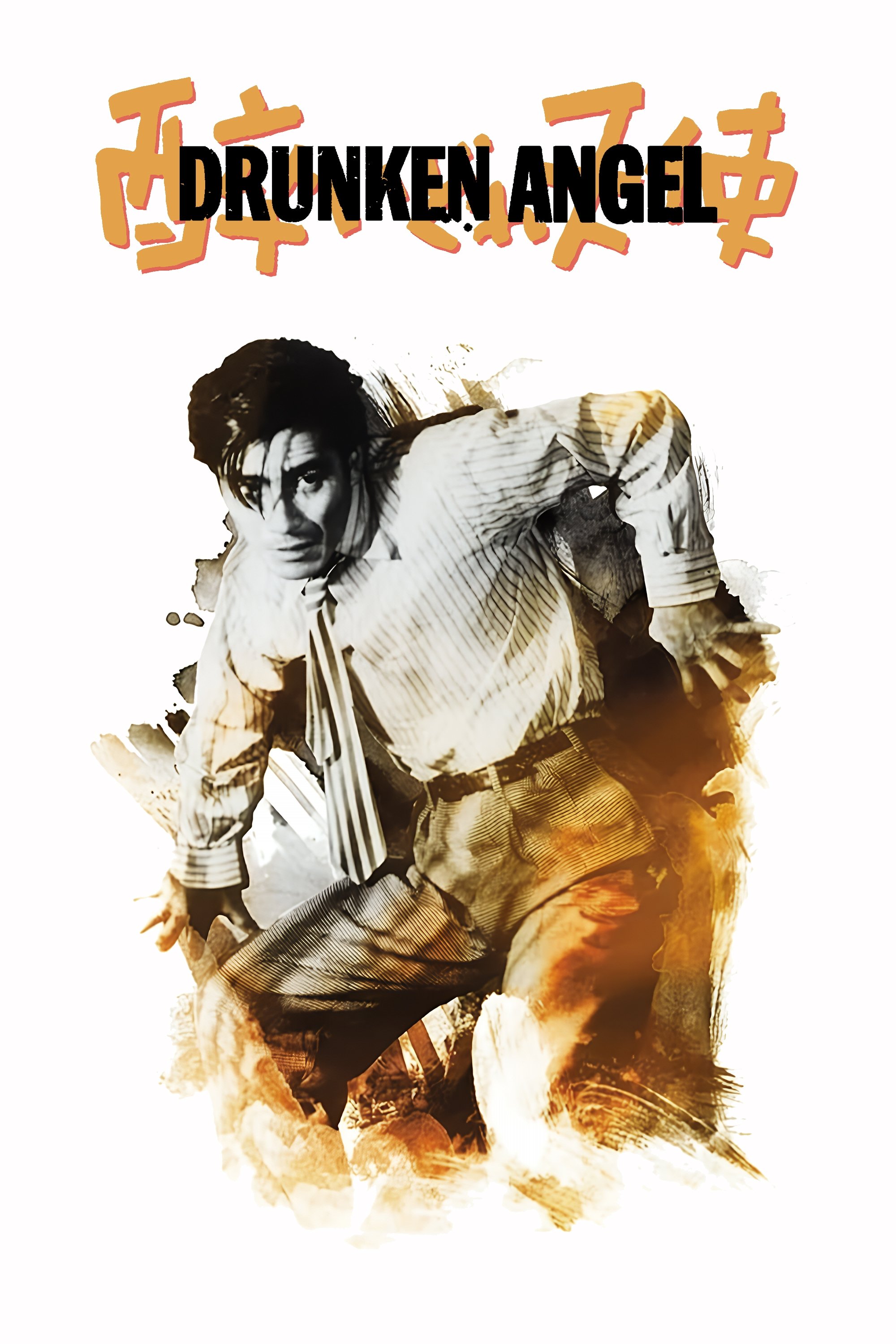
In the chaotic post-war Tokyo district of Washio, a doctor struggling with alcoholism treats a young yakuza gangster suffering from a gunshot wound. Despite their vastly different lives and moral compasses, a complex and ultimately tragic bond forms between them as they navigate the harsh realities of their world. The film explores themes of redemption, friendship, and the struggle for survival amidst overwhelming despair.
Drunken Angel is widely regarded as a pivotal early work by Akira Kurosawa, showcasing his emerging directorial style and his ability to capture the gritty atmosphere of post-war Japan. The film was a critical and commercial success, marking the first collaboration between Kurosawa and Toshiro Mifune, a partnership that would define Japanese cinema for decades. It is praised for its raw energy, compelling performances, and unflinching portrayal of societal decay.
Praised for its powerful depiction of post-war Japanese society and the complex relationship between its central characters.
Toshiro Mifune's dynamic and volatile performance as the young gangster is a standout, marking him as a major talent.
The film's gritty realism and Kurosawa's distinctive visual style were evident even in his early work.
Google audience: Information on specific Google user reviews and summaries is not readily available for this film.
This film was the first of many collaborations between director Akira Kurosawa and actor Toshiro Mifune, who would go on to make sixteen films together.
AI-generated overview · Verify ratings on official sources