Movie spotlight
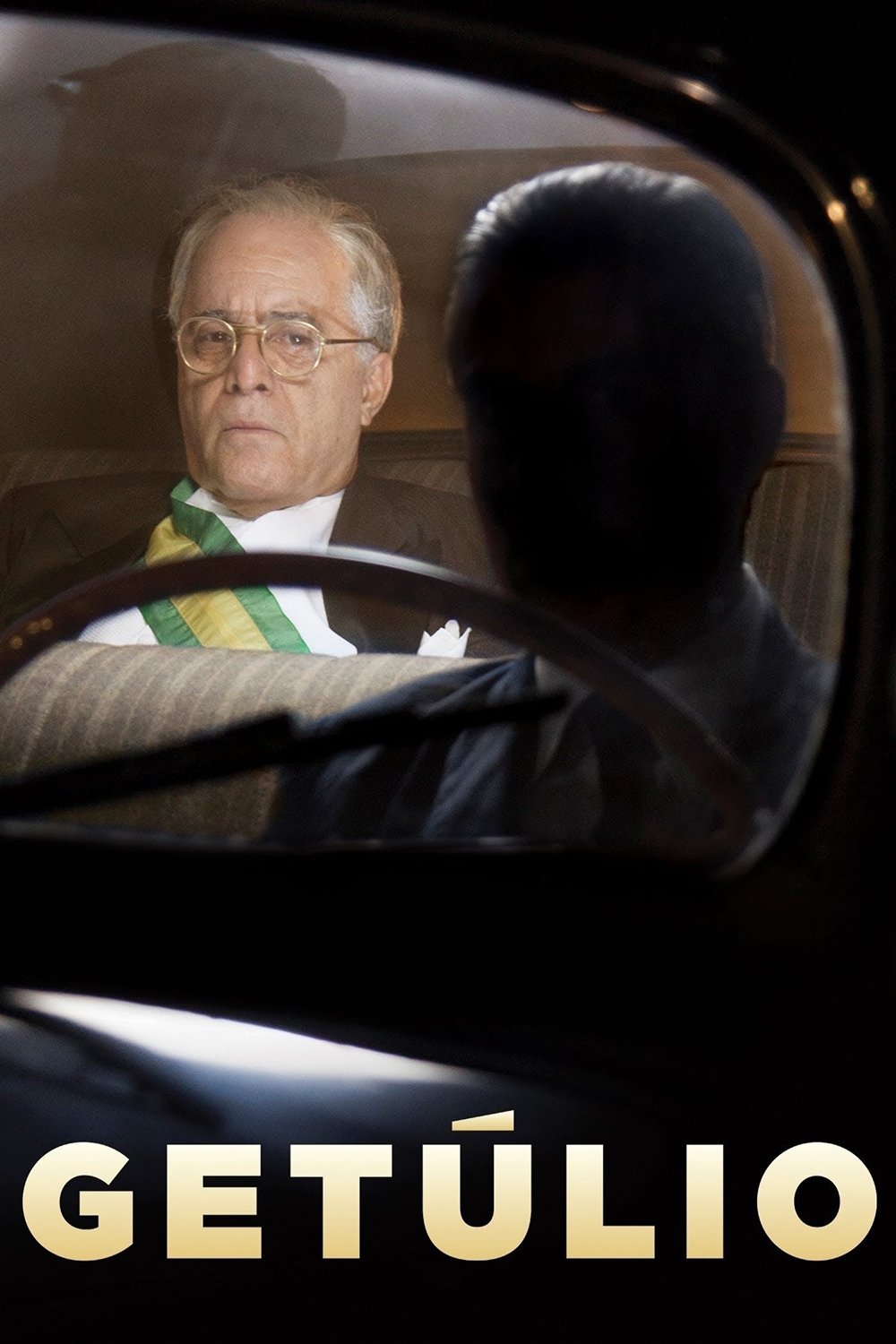
Getulio
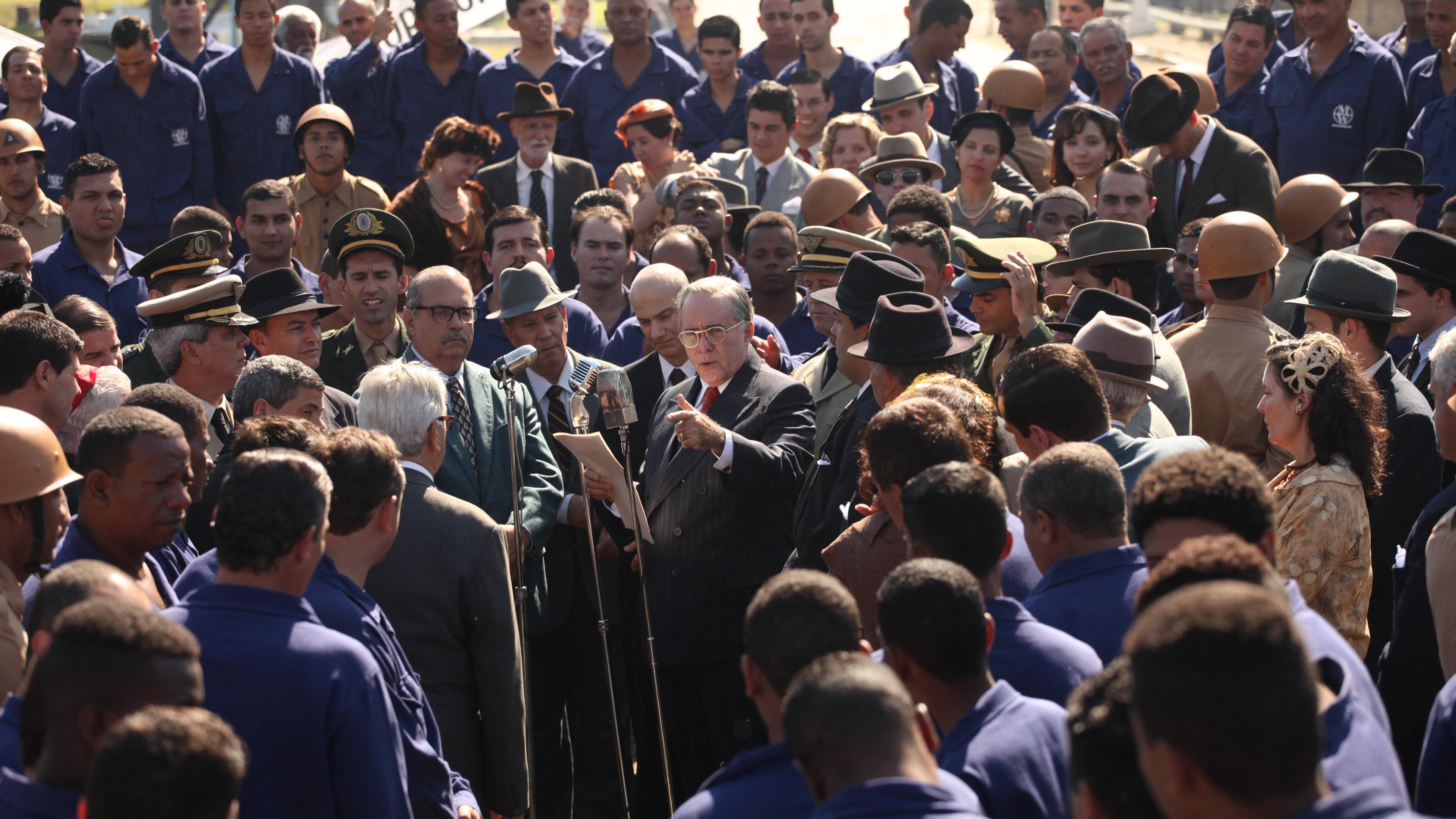
The movie depicts the political crisis that led to the suicide of president Getúlio Vargas, in the 19 days that preceded August 24, 1954. The crisis began with the attempted assassination of journalist and politician Carlos Lacerda in August 5, 1954, at rua Toneleros, Rio de Janeiro, in which Major Vaz was assassinated instead. Investigations pointed to Gregório Fortunato, chief of Vargas' personal guard, as the orderer of the frustrated assassination. This incident was one of the most importants in the history of Brazil.
Insights
Plot Summary
The film delves into the turbulent final 19 days of Brazilian President Getúlio Vargas's life in 1954. Facing intense political pressure and a deepening national crisis, Vargas grapples with his legacy and the forces vying for power. As his administration crumbles around him, he must confront betrayal and make a fateful decision that will forever shape Brazil's history.
Critical Reception
Getulio was generally well-received by critics, particularly for its strong lead performance and its historical depiction of a pivotal moment in Brazilian politics. While some found the pacing deliberate, most praised its thoughtful exploration of a complex historical figure and the political machinations of the era.
What Reviewers Say
Tony Ramos delivers a compelling and nuanced portrayal of Getúlio Vargas.
The film effectively captures the tension and political intrigue of Vargas's final days.
A strong historical drama that sheds light on a critical period in Brazilian history.
Google audience: Audience reviews are not widely available for this film.
Awards & Accolades
Tony Ramos received a Best Actor nomination at the Grande Prêmio do Cinema Brasileiro.
Fun Fact
The film's production involved extensive research into the historical period, aiming for authenticity in its sets, costumes, and the depiction of political events.
AI-generated overview · Verify ratings on official sources