Movie spotlight
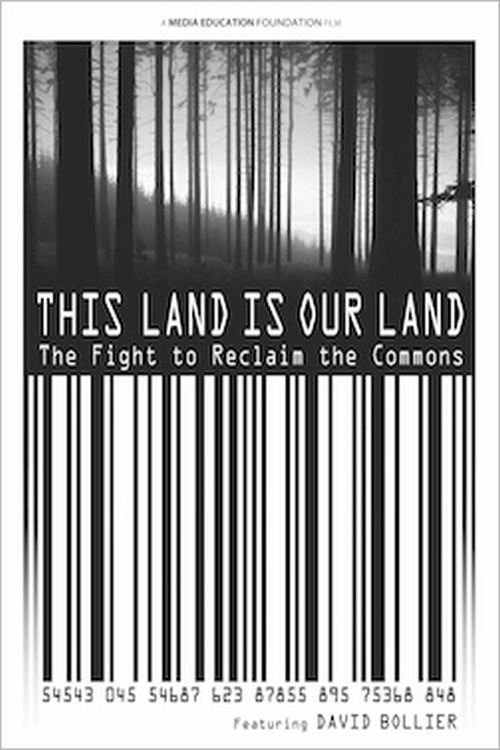
This Land Is Our Land
For more than three decades, transnational corporations have been busy buying up what used to be known as the commons -- everything from our forests and our oceans to our broadcast airwaves and our most important intellectual and cultural works. In This Land is Our Land, acclaimed author David Bollier, a leading figure in the global movement to reclaim the commons, bucks the rising tide of anti-government extremism and free market ideology to show how commercial interests are undermining our collective interests. Placing the commons squarely within the American tradition of community engagement and the free exchange of ideas and information, Bollier shows how a bold new international movement steeped in democratic principles is trying to reclaim our common wealth by modeling practical alternatives to the restrictive monopoly powers of corporate elites.
Insights
Plot Summary
This Land Is Our Land explores the complex and often fraught history of land ownership, dispossession, and racial inequality in the United States. Through archival footage and expert interviews, it traces the legacy of policies and practices that have shaped who has access to land and who has been excluded. The documentary examines pivotal moments in American history, from the displacement of Native Americans to the struggles for fair housing and land reform for Black Americans.
Critical Reception
The documentary was generally well-received for its timely exploration of persistent racial injustices tied to land ownership in America. Critics praised its comprehensive historical overview and the insights provided by its academic contributors. However, some reviews noted that the film, while important, covered extensive ground and could benefit from deeper dives into specific case studies.
What Reviewers Say
Praised for its historical depth and examination of systemic inequalities.
Noted for its relevance to contemporary discussions on race and property.
Some viewers found the scope broad, wishing for more specific examples.
Google audience: Audience reviews are scarce due to limited distribution, but where available, viewers appreciated the film's educational value in connecting historical land policies to present-day social issues. The documentary is seen as an important, albeit sometimes dense, look at America's past and its ongoing impact.
Fun Fact
The documentary's director, Stephen C. Webb, also served as the film's writer and editor, contributing to a personal and focused narrative.
AI-generated overview · Verify ratings on official sources