
Insights
Plot Summary
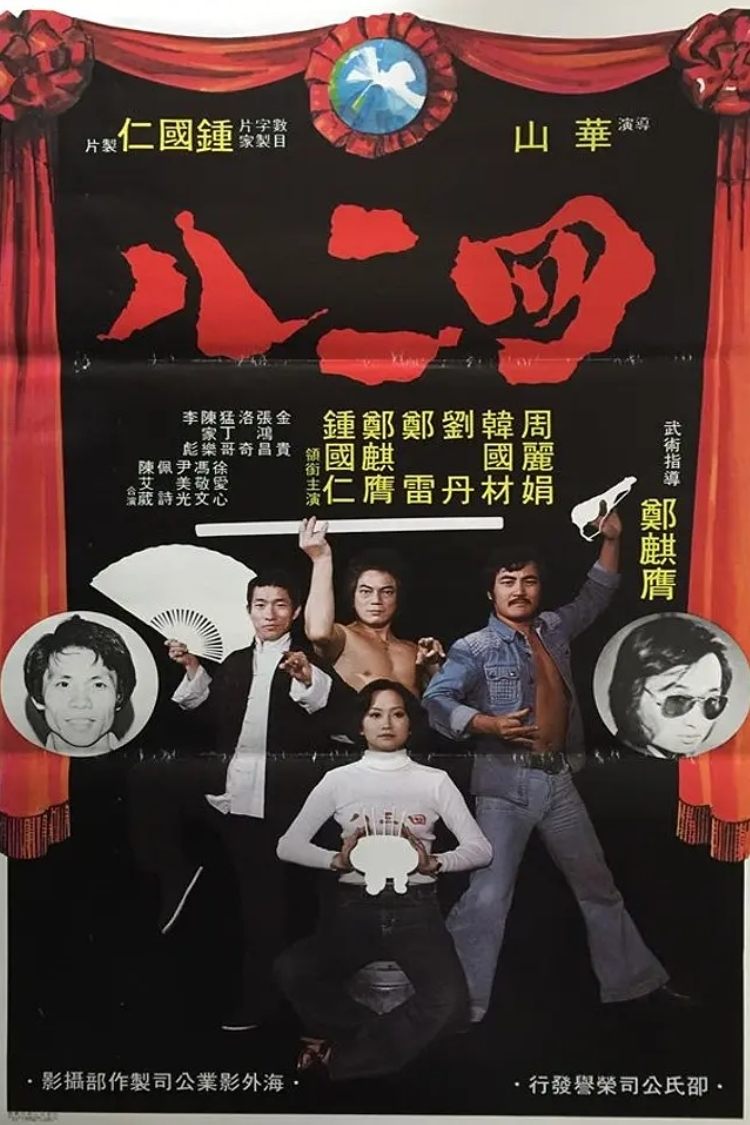
Set during the tumultuous end of the Cultural Revolution and the subsequent political upheaval, the film follows the lives of four individuals deeply involved in the political machinations of the time. As the political climate shifts, they navigate loyalty, betrayal, and the struggle for power, ultimately facing the consequences of their actions and beliefs. The story delves into the complexities of personal relationships intertwined with national ideology, highlighting the moral compromises made in pursuit of political goals. The film captures the atmosphere of uncertainty and ideological conflict that characterized China during this transitional period.
Critical Reception
Gang of Four (1978) is a historically significant film that offers a dramatized account of a sensitive period in Chinese history. Its reception has been varied, often viewed through the lens of its political context and the era in which it was produced. While it provides insight into the lives of those involved in political events, its narrative and portrayal of characters can be seen as reflecting the official viewpoints of its time. Critically, it is noted for its historical subject matter and its attempt to grapple with the complexities of the Cultural Revolution's aftermath, though some analyses point to its ideological framing.
What Reviewers Say
A politically charged drama offering a glimpse into China's post-Cultural Revolution era.
Explores themes of loyalty, ideology, and the personal cost of political change.
Reflects the historical context and official narratives prevalent during its production.
Google audience: Information regarding specific Google user reviews for 'Gang of Four (1978)' is not readily available in a summarized format. Audience reception is largely discussed within broader historical and critical analyses of Chinese cinema.
Fun Fact
The film 'Gang of Four' was one of the first major Chinese films to address the political events of the late Cultural Revolution and the subsequent fall of the 'Gang of Four' itself, though its narrative and perspective are often analyzed as reflecting the prevailing political climate of its production era.
AI-generated overview · Verify ratings on official sources