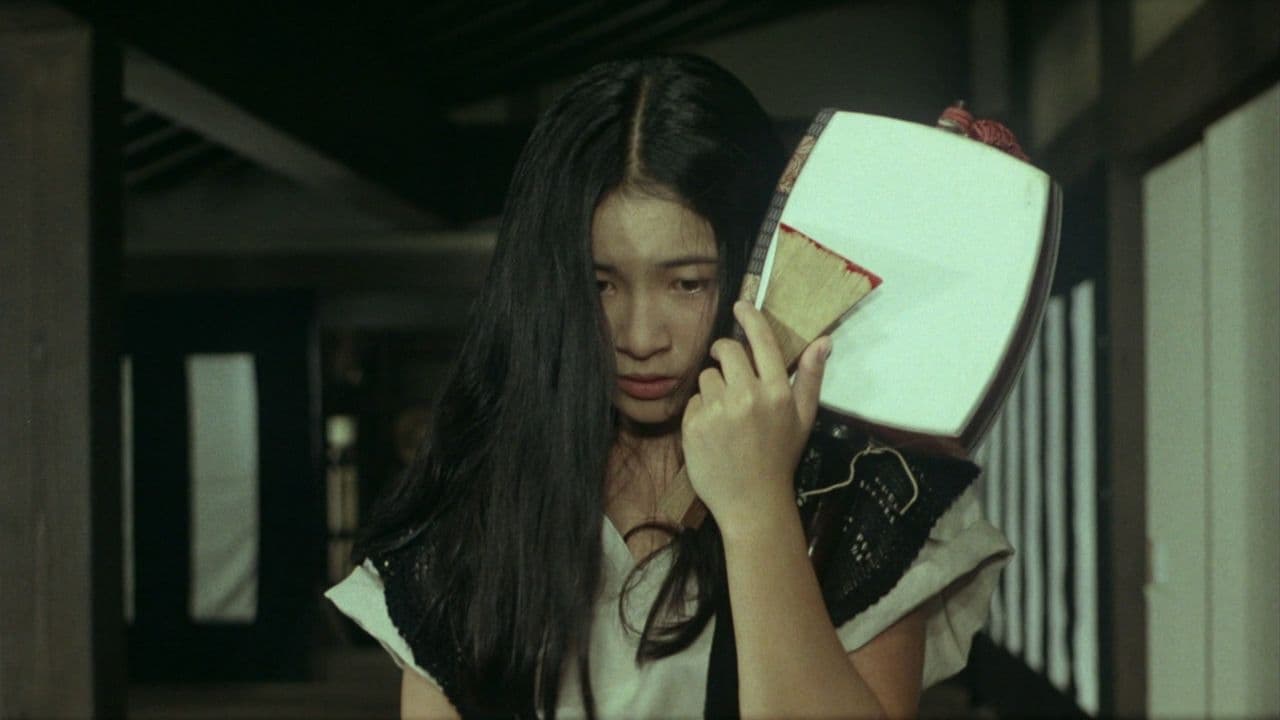
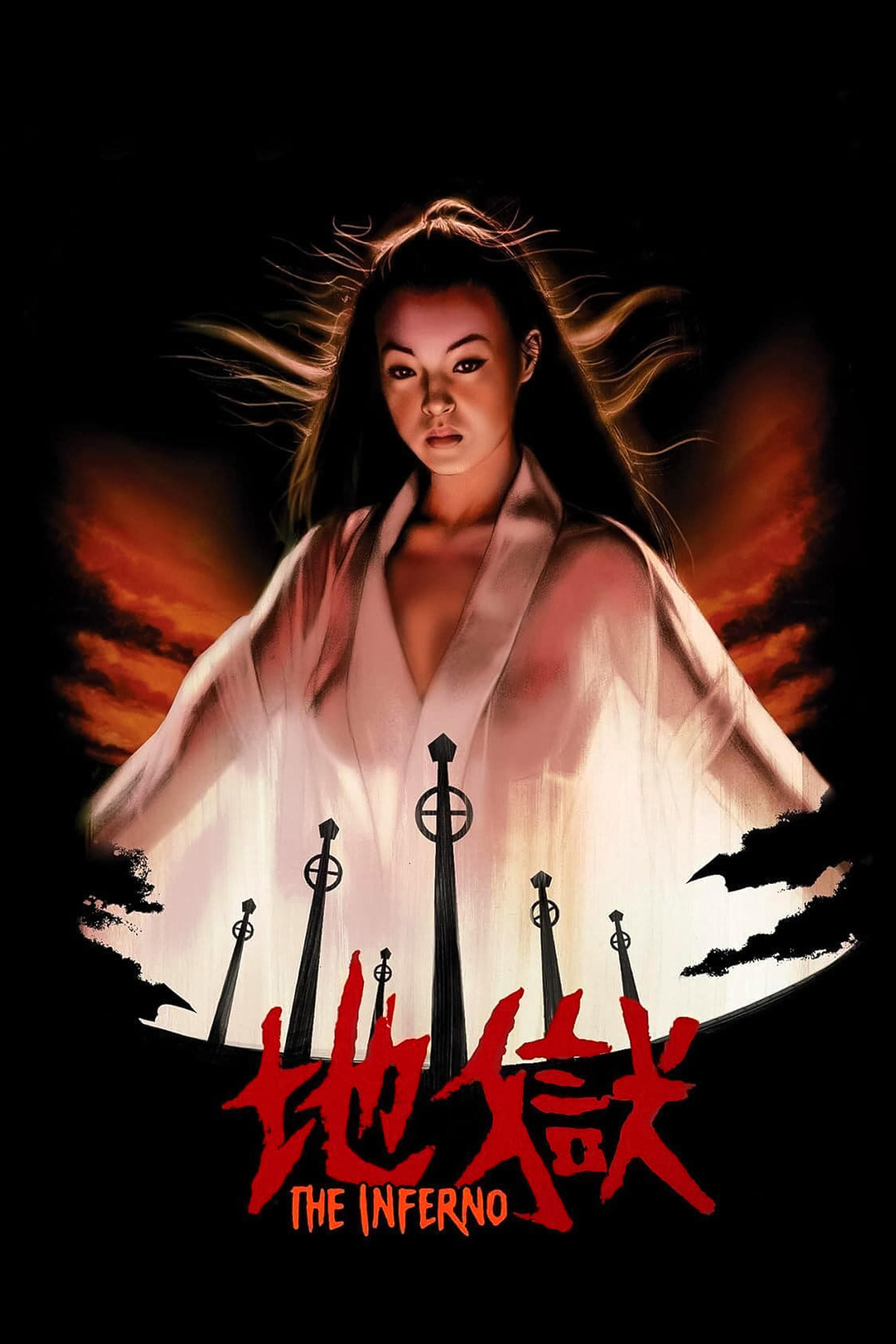
Movie spotlight
The Inferno
Hell manifests itself through the sins, shame and desires of an upper class rural family and a mother's grief from beyond the grave.
Insights
Plot Summary
A young American woman, Rose, studying art in Rome, receives a mysterious ancient book filled with arcane symbols and dark poetry. Upon returning to her apartment in New York, she discovers it details the three mothers: Mater Suspiriorum (Mother of Sighs), Mater Tenebrarum (Mother of Darkness), and Mater Lacrimarum (Mother of Tears). As she delves deeper into its secrets, she unleashes a terrifying supernatural force, uncovering a conspiracy of death and black magic orchestrated by the ancient, evil trio.
Critical Reception
The Inferno, Dario Argento's follow-up to Suspiria, is often viewed as a visually stunning but narratively convoluted piece of gothic horror. While critics lauded its dreamlike atmosphere, elaborate set design, and Argento's signature visual flair, many found the plot to be elusive and disjointed, with a reliance on atmosphere over coherent storytelling. Audiences were divided, with some appreciating its nightmarish qualities and others feeling lost in its surreal narrative.
What Reviewers Say
Praised for its breathtaking visuals, opulent set design, and Dario Argento's masterful direction.
Criticized for its confusing and often nonsensical plot, which prioritizes atmosphere over narrative coherence.
A deeply atmospheric and nightmarish horror experience that some find alienating.
Google audience: Google users generally appreciate 'The Inferno' for its striking visual style and unsettling atmosphere, often calling it a true Argento film with its signature artistic flair. However, many find the plot to be confusing and difficult to follow, leading to a mixed reception where the visual brilliance is acknowledged but the storytelling falters.
Fun Fact
The film's elaborate set design was conceived by Argento himself, who believed that the environments should be characters in themselves, reflecting the characters' inner states and the film's supernatural themes.
AI-generated overview · Verify ratings on official sources