
SAURABH KUMAR SO...
One of the best movie ever made by Indian cinema to show the real curse of caste system in India and all over the World. Must be translated in English and released worldwide.

Movie spotlight
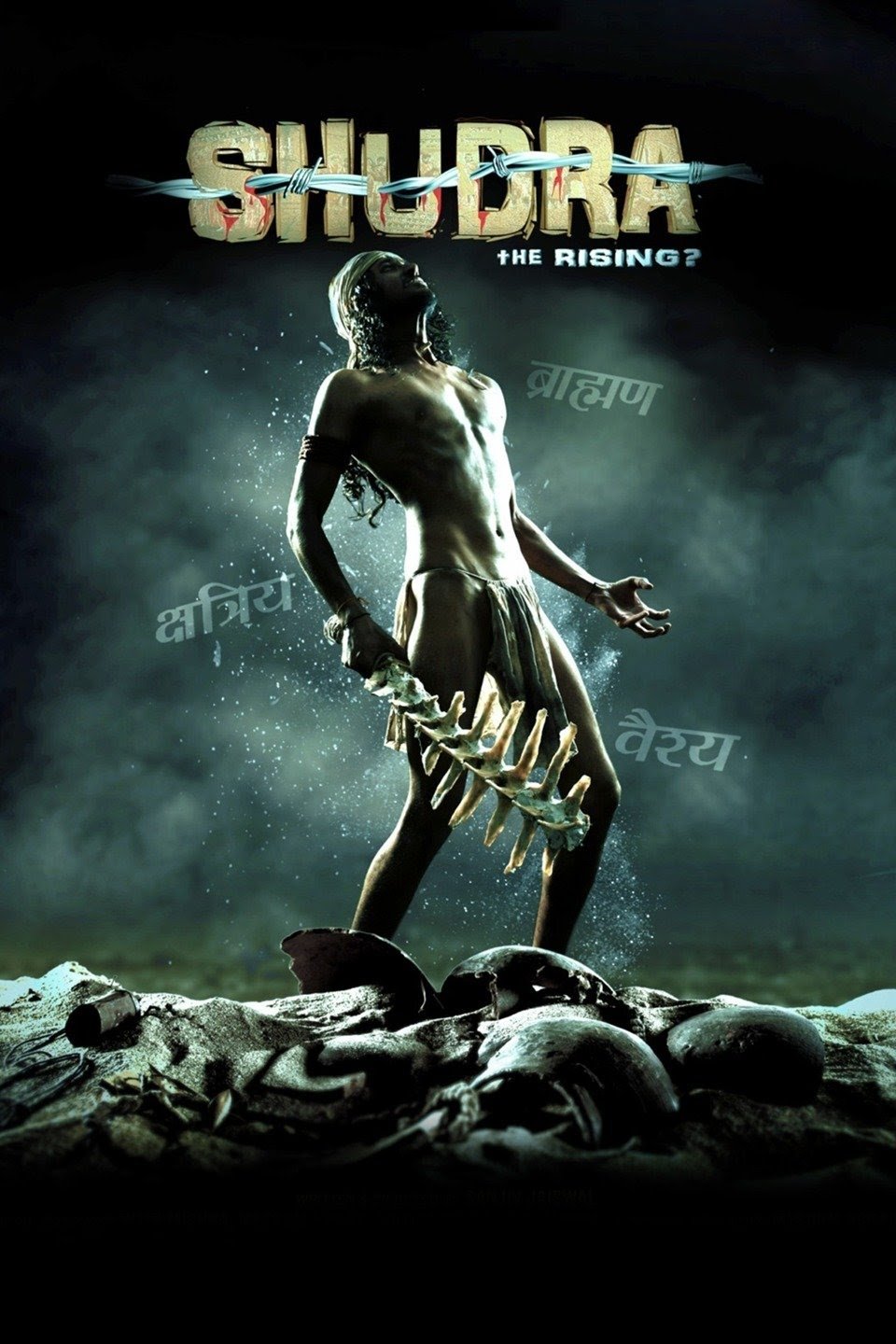
Shudra: The Rising is a Hindi language film with a storyline based on the caste system in ancient India, and more specifically the Hindu Varna system. It is directed by Sanjiv Jaiswal and dedicated to Bhim Rao Ambedkar. The film depicts the four basic units of the caste system - the Brahmins, Kshatriyas, Vaishyas and the Shudras. The film shows various rules imposed on the Shudras such as waking with a bell around their ankles and a long leaf behind their back,and a pot hanging around their neck.
Set in ancient India, 'Shudra: The Rising' tells the story of a young man from the lowest caste, the Shudras. He faces immense oppression and discrimination but finds the courage to challenge the rigid social hierarchy. His journey is one of resilience, self-discovery, and a fight for dignity against a deeply entrenched caste system.
The film garnered attention for its attempt to portray the harsh realities of the caste system in ancient India. While it was commended for its theme and the message it tried to convey, its execution and artistic merit received mixed to negative reviews.
Praised for its relevant social message and thematic ambition.
Criticized for a simplistic narrative and uneven filmmaking.
Seen as a noble effort to highlight historical injustice but lacking in cinematic finesse.
Google audience: Information regarding Google user reviews for this film is not readily available.
The film's title itself, 'Shudra: The Rising,' directly references the lowest caste in the traditional Hindu social hierarchy, emphasizing the film's central theme of challenging social inequality.
AI-generated overview · Verify ratings on official sources
One of the best movie ever made by Indian cinema to show the real curse of caste system in India and all over the World. Must be translated in English and released worldwide.