
Movie spotlight
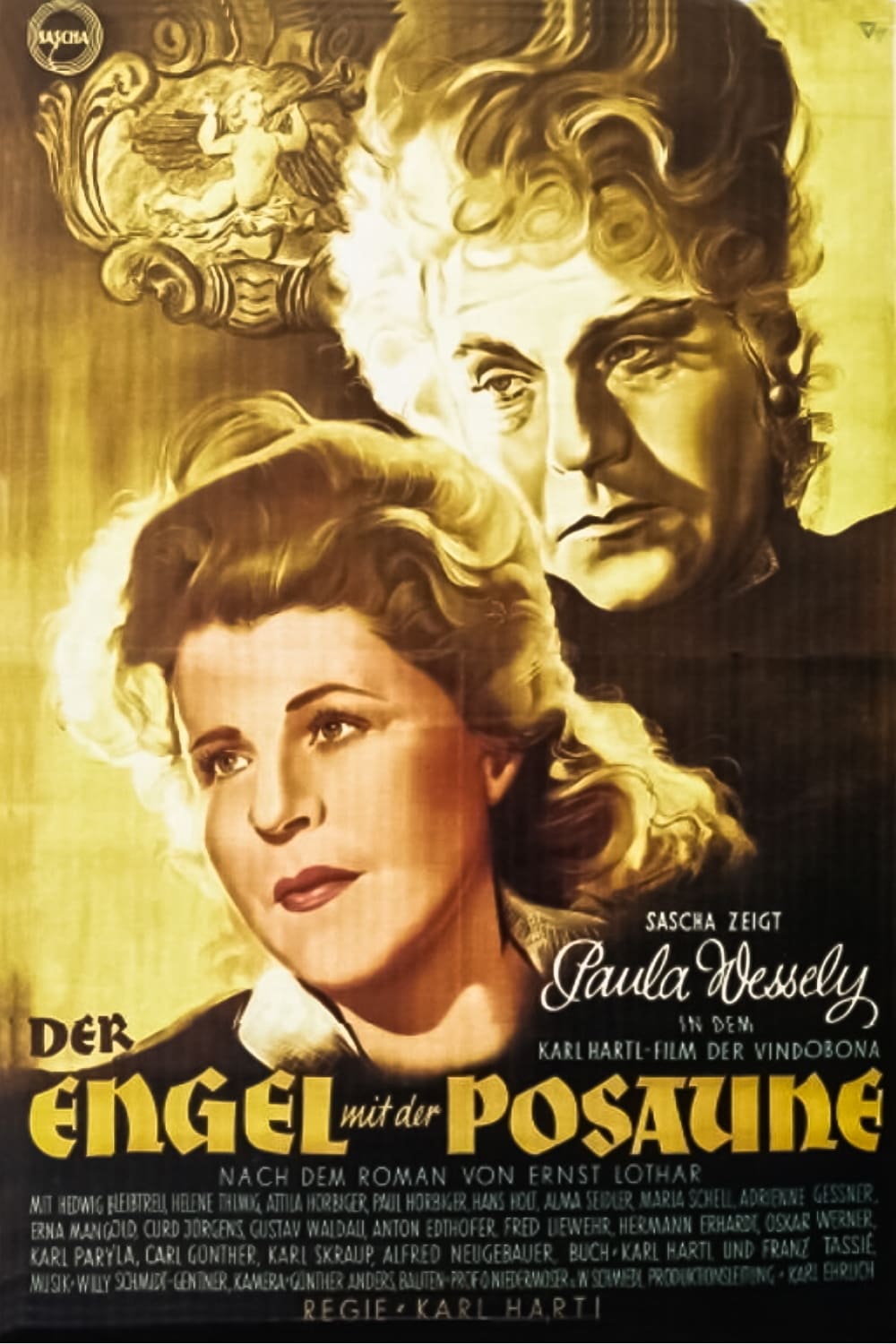
The Angel with the Trumpet
A long time-span of Austrian history (from the late 19th century to the years after world war II) is reflected in the ups and downs of a family of piano-makers in Vienna.
Insights
Plot Summary
The film chronicles the rise and fall of the wealthy family of Austrian industrialist Johann Heinrich von Zinner, spanning from the late 19th century to the Anschluss of Austria in 1938. It follows the family's fortunes through periods of prosperity and political upheaval, ultimately depicting their entanglement with the changing political landscape of Austria.
Critical Reception
Upon its release, 'The Angel with the Trumpet' was seen as a significant Austrian film, praised for its ambitious scope and historical depiction of a tumultuous period. It garnered international attention and was considered a poignant reflection on the erosion of traditional values and the impact of political events on society. While acclaimed for its performances and thematic depth, some critics noted its melodramatic tendencies.
What Reviewers Say
Praised for its epic sweep and historical relevance.
Recognized for strong performances, particularly from the female leads.
Some found the narrative overly sentimental or melodramatic.
Google audience: Audience reception information is not readily available for this historical film.
Fun Fact
The film was a major production for postwar Austrian cinema and was intended to capture the national mood following the end of World War II, reflecting on the pre-war era and its consequences.
AI-generated overview · Verify ratings on official sources