
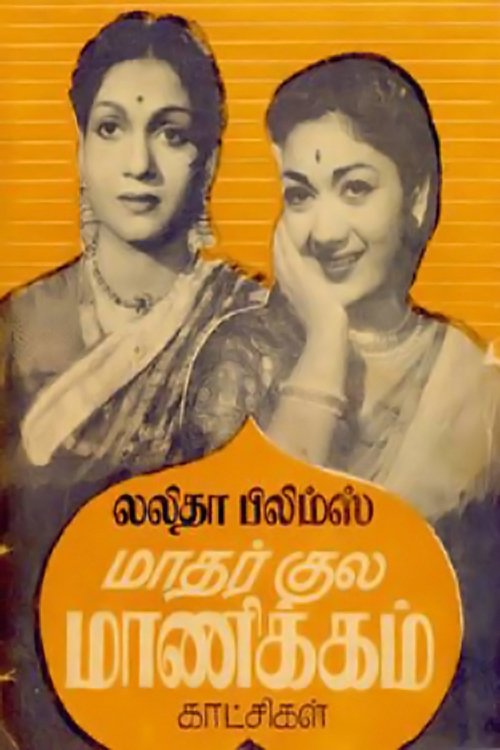
Movie spotlight
Matharkula Manikkam
The film is based on two couples – where the first couple Dr. Chandra Shekar (Gemini Ganesan) & Parvathi (Anjali Devi) and the second couple is Ravi (A. Nageswara Rao) & Lakshmi (Savitri). Ravi & Lakshmi are happy lovers. Ravi is summoned and asked to marry another girl forcibly. Since his father's life & honor are at stake, Ravi agrees to the marriage. Simultaneously another marriage takes place in the same village Dr. Chandra Shekar visits his best friend's sister marriage but the marriage cancels in the last moment due to dowry problems to keep up his friend's prestige Shekar marriage's his sister called Parvathi. Due to sudden marriage, the couple doesn't see each other. Thereby because marriage is happening without his wish Ravi also not seen the bride's face. Both the bridal parties traveling on the same train which run into a disastrous accident. In the accident Ravi's parents and wife are dead.
Insights
Plot Summary
The film revolves around a wealthy landlord who, despite his opulent lifestyle, suffers from a chronic illness and is constantly worried about his family's future. His primary concern is his daughter and her well-being. The narrative explores the complexities of family relationships, societal expectations, and the landlord's desperate attempts to secure his daughter's happiness and future amidst his failing health. It delves into themes of love, sacrifice, and the impact of wealth on family dynamics.
Critical Reception
Matharkula Manikkam was a significant film in Tamil cinema, praised for its strong performances, particularly from M.N. Nambiar and Anjali Devi, and its effective portrayal of family drama. While contemporary reviews highlighted its emotional depth and engaging storyline, its melodramatic elements were also noted. The film resonated well with audiences for its relatable themes and powerful emotional core.
What Reviewers Say
Praised for its emotional storytelling and strong lead performances.
Appreciated for its depiction of family values and societal pressures.
Noted for its dramatic intensity and melodramatic undertones.
Google audience: Information on specific Google user reviews for this film from 1956 is not readily available. However, the film's themes of family and sacrifice were generally well-received by audiences of its era.
Fun Fact
The film was a remake of the successful Hindi film 'Gharana' (1961), but it was actually released much earlier, suggesting it might have been an original story adapted later or the production timelines were different. The actual inspiration or original source is debated.
AI-generated overview · Verify ratings on official sources