
Movie spotlight
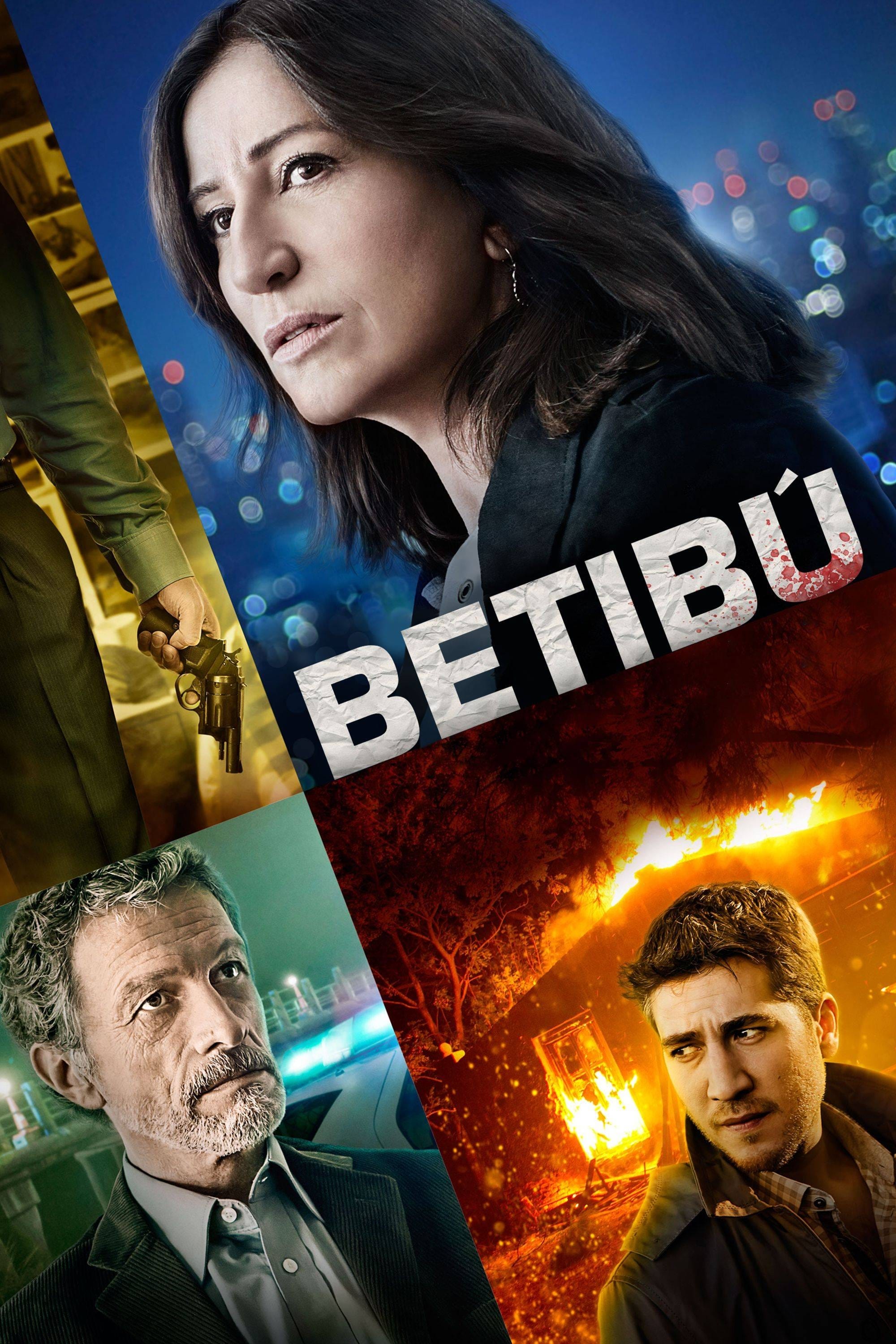
Betibú
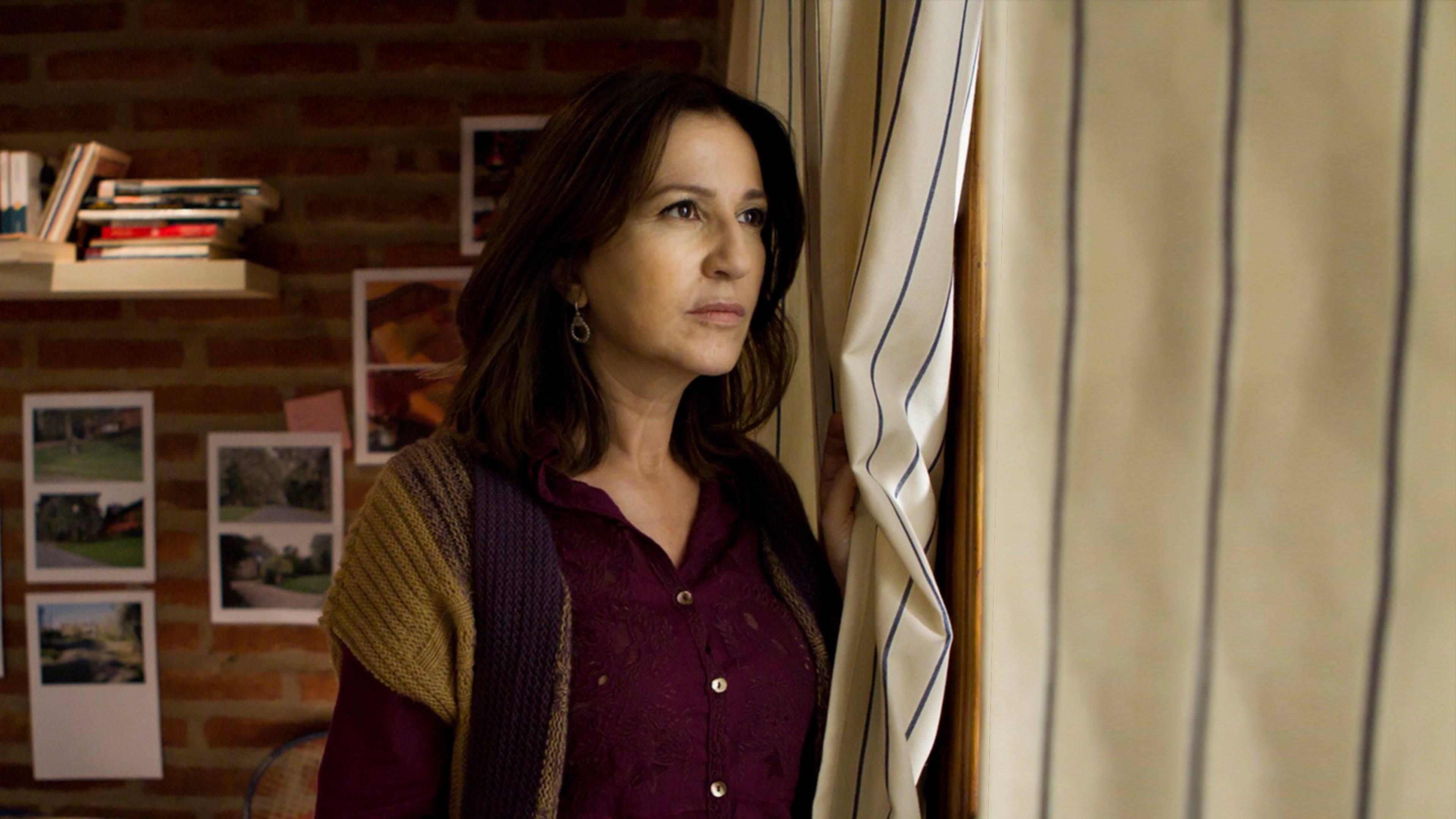
Once Pedro Chazarreta found murdered in the wonderful gated, El Tribuno newspaper hires retired detective novelist Nurit Iscar/Betibù that is installed in the area and a series of newspaper columns about the case. Along with the Chief of police of the newspaper, Mariano Saravia, and a veteran journalist, Jaime Breña, Betibù starts to investigate the murder. Using an old photo of the adolescence of Chazarreta, which shows him with fellow high school, the Group discovers an apparent connection between this murder and a succession of apparently trivial deaths of members of the photo. At the same time, Betibù must face its past emotional with the editor of the newspaper, Lorenzo Rinaldi, who seeks to restore the relationship.
Insights
Plot Summary
Betibú, a renowned writer of detective novels, finds herself embroiled in a real-life mystery when her niece, Dani, disappears shortly after her boyfriend is found dead. Betibú, aided by her editor, delves into a dark world of secrets and lies, suspecting that her own novels might hold clues to the unfolding events. As she uncovers a complex web of relationships and hidden motives, Betibú races against time to find Dani before it's too late, confronting the blurred lines between fiction and reality.
Critical Reception
Betibú received a mixed to positive reception from critics, who praised Mercedes Morán's central performance and the film's attempt at creating a suspenseful atmosphere. However, some reviews noted that the plot became convoluted in its latter half, and the pacing could be inconsistent. Audiences generally responded well to the thriller elements and the mystery narrative.
What Reviewers Say
Praised for Mercedes Morán's compelling lead performance.
Noted for its suspenseful thriller and mystery elements.
Criticized by some for a complex and occasionally slow-paced plot.
Google audience: Information regarding specific Google user reviews and their sentiment is not readily available.
Fun Fact
The film is based on the novel of the same name by Argentinian author Claudia Piñeiro.
AI-generated overview · Verify ratings on official sources