Movie spotlight
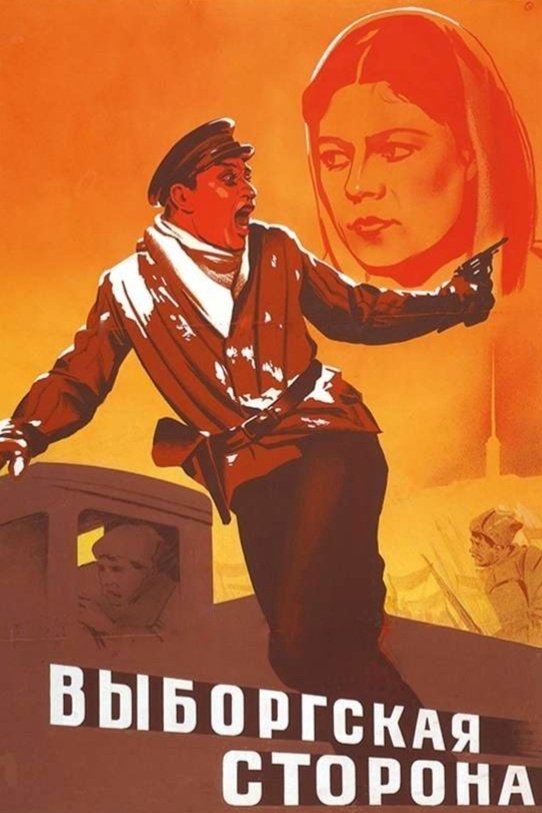
The Vyborg Side
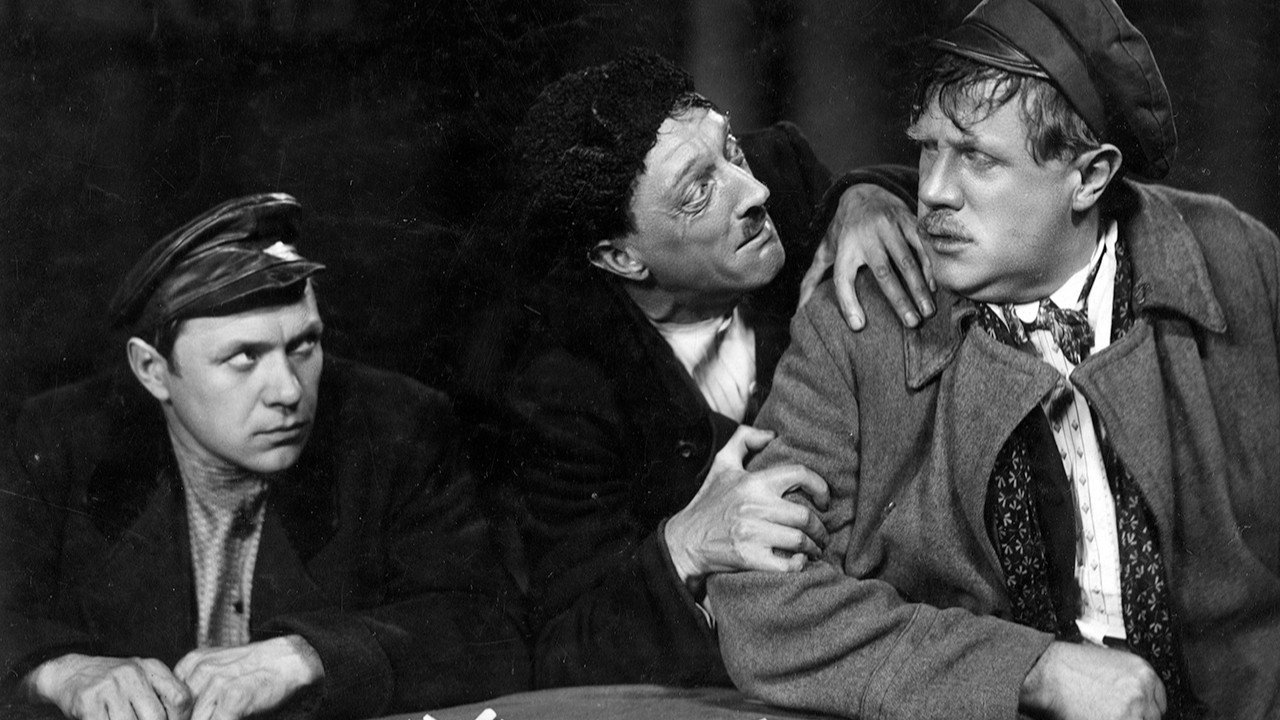
The final part of trilogy about the life of a young factory worker, Maxim. Following the Russian Revolution, Maksim is appointed state commissar in charge of the national bank. With great efforts, he learns the complexies of the banking trade and begins to fight off sabotaging underlings. Dymba, now a violent enemy of the Republic, tries to rob a wine store but is arrested with Maksim's help. Maksim also exposes a conspiracy of a group of tsarist officers who prepare an attempt against Lenin. He then joins the Red Army in its fight against the German occupation.
Insights
Plot Summary
This Soviet film focuses on the early days of the Bolshevik Revolution and the establishment of Soviet power. It follows the experiences of ordinary people in Petrograd (now St. Petersburg) as they navigate the tumultuous political landscape and the formation of the Vyborg district's revolutionary committee. The narrative explores themes of class struggle, ideological commitment, and the sacrifices made for the new regime.
Critical Reception
The film was a significant propaganda piece for the Soviet Union, celebrated for its depiction of revolutionary fervor and the triumph of the proletariat. It was widely praised within the Soviet Union for its ideological correctness and its portrayal of historical events. Internationally, its reception was often viewed through the lens of Soviet cinema's political context.
What Reviewers Say
Praised for its historical scope and portrayal of revolutionary spirit.
Seen as a key example of Soviet socialist realism cinema.
Commended for its performances, particularly Boris Chirkov as Maxim Gorky's alter ego.
Google audience: Information regarding specific Google user reviews for 'The Vyborg Side' is not readily available due to its historical context and primary audience within the Soviet Union. General sentiment from historical reviews within its contemporary context suggests appreciation for its thematic content and performances.
Awards & Accolades
None notable (primarily recognized within Soviet film festivals and historical context).
Fun Fact
The film is part of a trilogy that chronicles the life of the fictional character 'Klim Voroshilov', a symbol of the Soviet worker and soldier, though he is not explicitly named in the film's title.
AI-generated overview · Verify ratings on official sources