
Movie spotlight
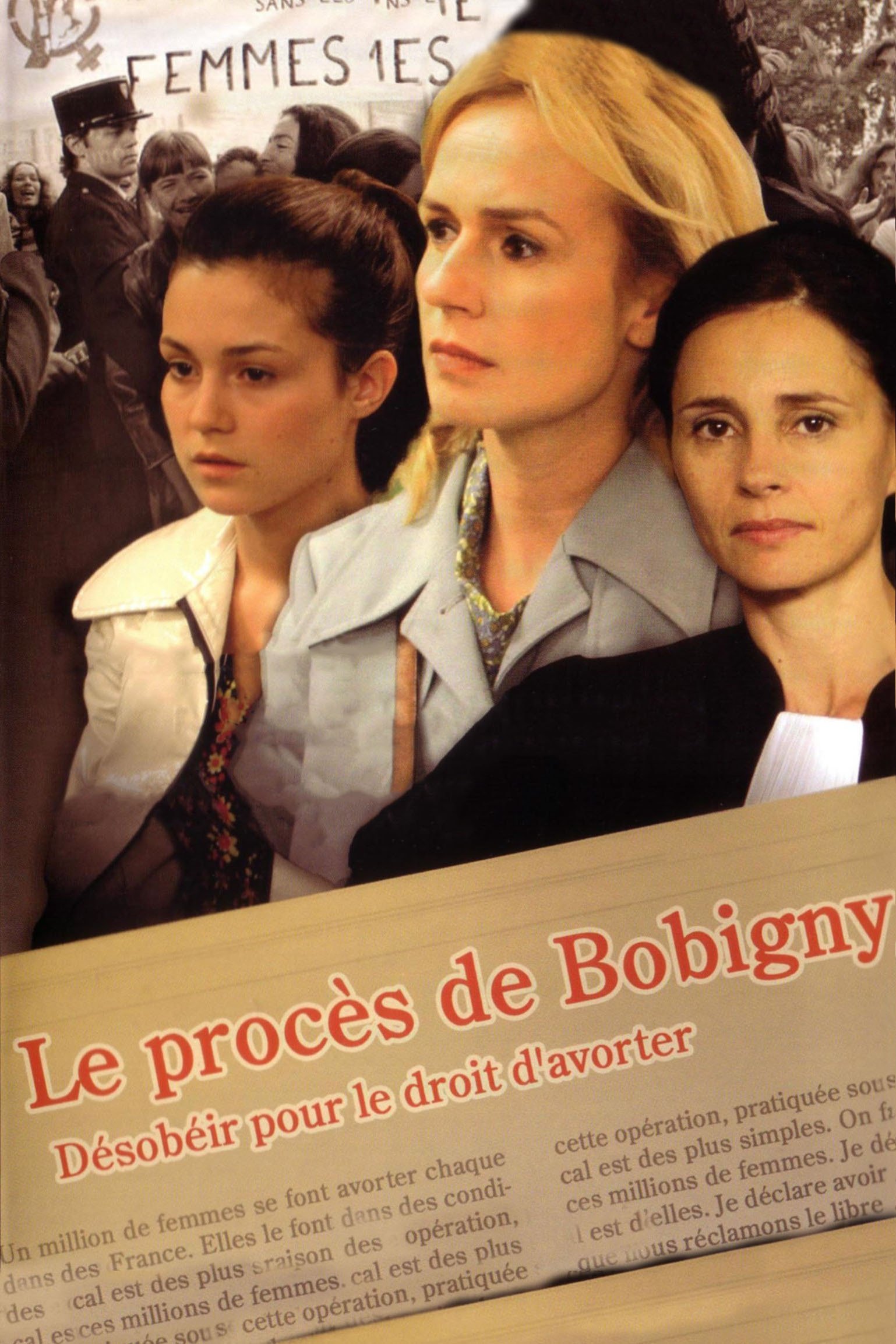
Le Procès de Bobigny
In 1972 16-year-old Marie-Claire became pregnant after a rape. With help from her mother Michelle and three other women, she underwent a clandestine abortion. Under a 1920 law, the five women were arrested and charged. Supported by a procession of well-known French (eg Simone de Beauvoir), the five were released and the law was adapted.
Insights
Plot Summary
This film reenacts the historic 1972 trial of Marie-Claire Chevalier, a young woman accused of abortion. Faced with a pregnancy resulting from rape, and with limited legal recourse, she sought a clandestine abortion. The trial became a landmark event, bringing the controversial issue of abortion into the public sphere in France.
Critical Reception
The film was generally well-received for its sensitive portrayal of a significant historical event and its strong performances. It highlighted the societal struggles surrounding women's reproductive rights in the early 1970s.
What Reviewers Say
Praised for its historical accuracy and powerful depiction of a landmark trial.
Elisabeth Rapp's performance as Marie-Claire Chevalier was noted for its emotional depth.
The film effectively brought a critical moment in French feminist history to a contemporary audience.
Google audience: Information on specific Google user reviews is not readily available for this film.
Fun Fact
The film is based on the real-life trial of Marie-Claire Chevalier, whose case significantly contributed to the legalization of abortion in France with the Veil Law in 1975.
AI-generated overview · Verify ratings on official sources