Movie spotlight
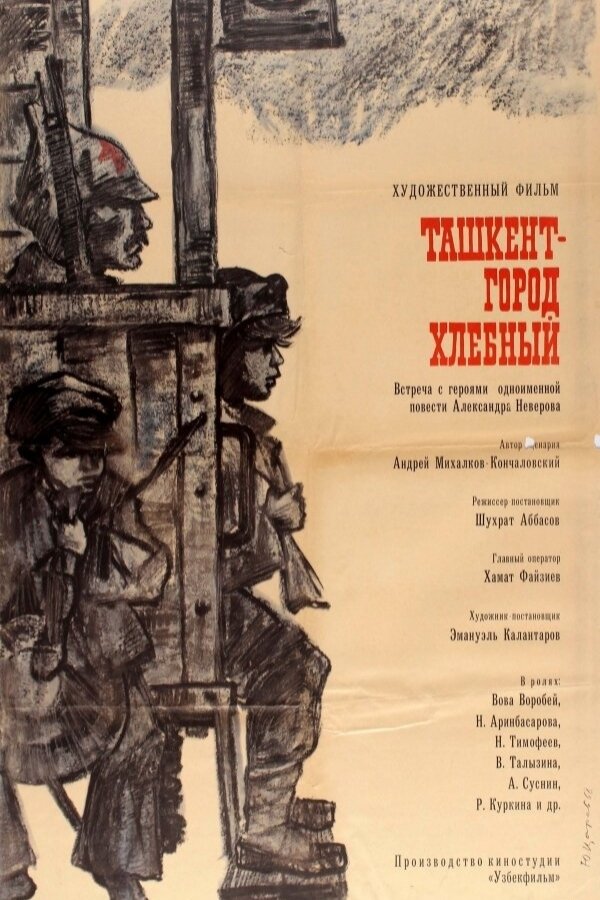
Tashkent, City of Bread
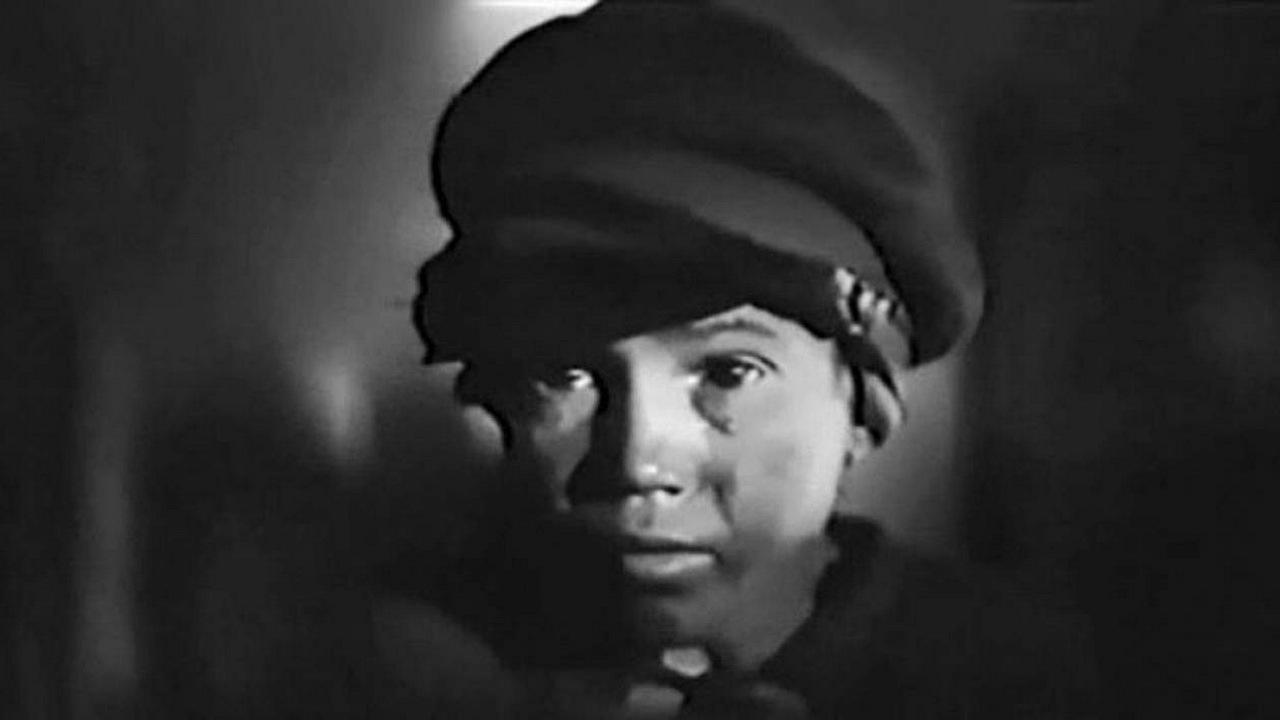
Beautifully shot in black and white, and scripted by Tarkovsky's collaborator Andrei Konchalovsky, this powerful melodrama tells the story of a young boy who undertakes the perilous journey to Uzbekistan's capital Tashkent, to earn some money for his hungry family. Filming in the periphery of the Soviet Union, in a time of relative political relaxation, director Shukhrat Abbasov actually dared to depict the poverty and famine that resulted from the Bolshevik Revolution.
Insights
Plot Summary
Set during World War II, the film follows a young orphan boy named Misha who navigates the harsh realities of life in Tashkent, which became a refuge for many during the war. He struggles to survive and find his place in a city dealing with scarcity and the absence of fathers. Misha's journey is one of resilience, friendship, and the enduring spirit of humanity amidst hardship.
Critical Reception
As a Soviet-era film, 'Tashkent, City of Bread' was primarily produced for and distributed within the Soviet Union. Its reception outside of that context is less documented, but within its intended audience, it was seen as a poignant and realistic portrayal of wartime life and the experiences of children affected by the conflict. It is often lauded for its sensitive depiction of childhood resilience and the collective effort to overcome adversity.
What Reviewers Say
Praised for its emotional portrayal of childhood during wartime.
Seen as a testament to resilience and the strength of the human spirit.
Noted for its realistic depiction of life in Tashkent during WWII.
Google audience: Information on Google user reviews for this specific film is not readily available due to its historical context and primary distribution within the Soviet Union.
Fun Fact
The film's title, 'Tashkent, City of Bread,' refers to the city's role as a vital food supplier and a safe haven during World War II, where many evacuees received sustenance and shelter.
AI-generated overview · Verify ratings on official sources