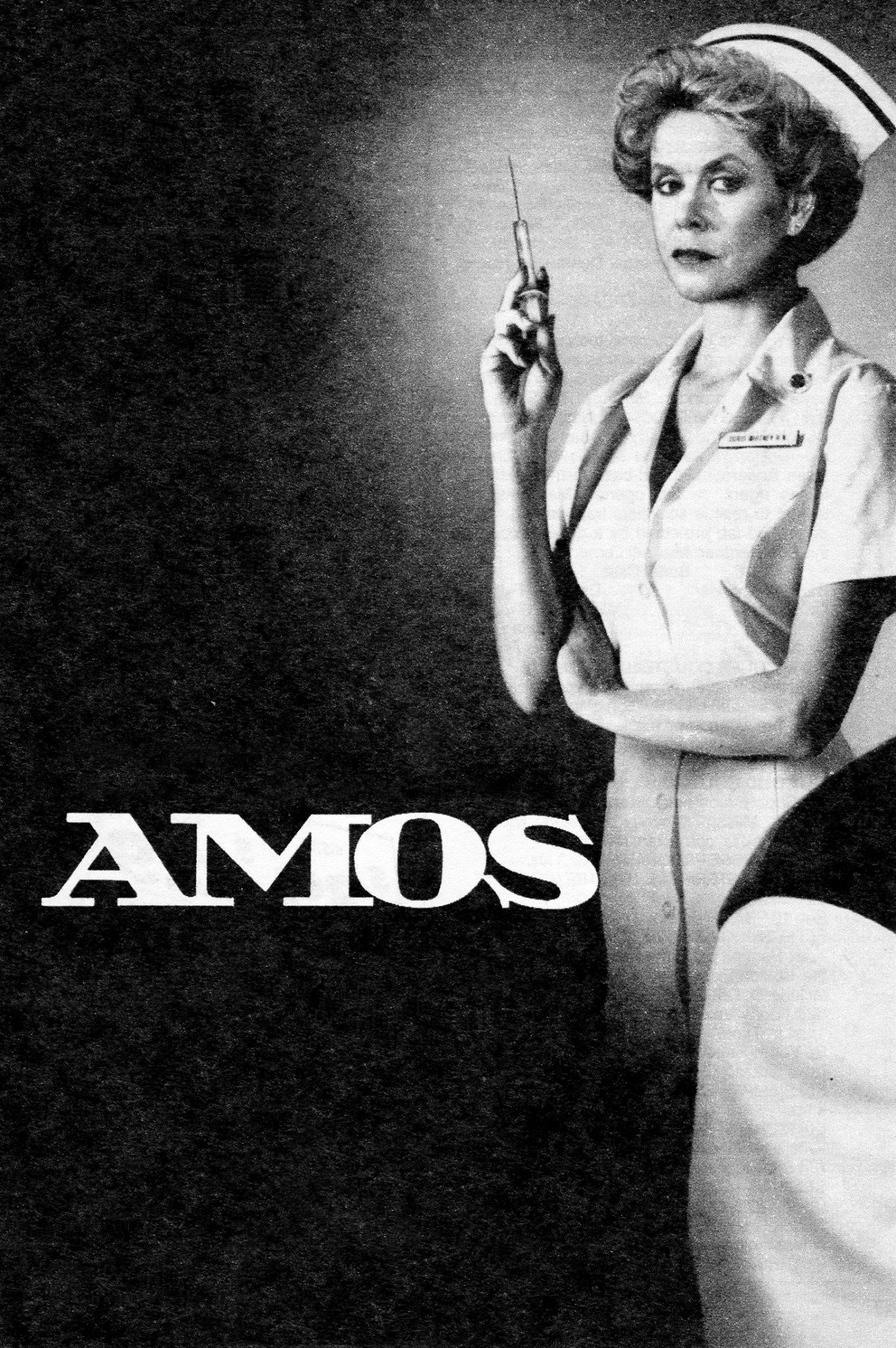
Amos
Amos

Amos

1985Movie100 minEnglish

Amos Lasher loses his wife and home in an accident, finding himself in the care of the state, or specifically speaking, the Sunset Nursing Home. Here he finds the head nurse, Daisy Daws, ruling the cowed patients with an iron hand, but as his determination to get out of Sunset grows, the more sinister his situation becomes.

Read Reviews

Insights

IMDb6.7/10
Director: Michael TuchnerGenres: Drama, Television

Plot Summary

A powerful and corrupt senator, Amos Hart, manipulates his way to the top of the political ladder through ruthless ambition and a complete disregard for the law. As his power grows, so does the scrutiny from those who seek to expose his illicit dealings. The film chronicles his rise and the inevitable consequences of his morally bankrupt actions.

Critical Reception

Amos was a television movie that garnered attention primarily for its star power, featuring veteran actors Kirk Douglas and Geraldine Page. While it tackled serious themes of political corruption, its critical reception was mixed, often cited as a standard TV drama of its era. Audience reception was moderate, fitting within the typical viewership for made-for-television films.

What Reviewers Say

  • Kirk Douglas delivers a commanding performance as the titular corrupt senator.
  • The film effectively portrays the mechanics of political manipulation and ambition.
  • Though a TV movie, it tackles mature themes with a degree of seriousness.

Google audience: Information on Google user reviews for Amos (1985) is not readily available.

Fun Fact

Kirk Douglas, known for his iconic roles, took on the challenging character of Amos Hart, a senator whose moral compass is entirely absent, showcasing his versatility in dramatic television.

AI-generated overview · Verify ratings on official sources

My Review

TMDB Reviews

1 reviews
stugood

stugood

Highly derivative of 'Cuckoo's Nest, but none the less engaging at times for its story and performances. The mistreatment of old people is often touched upon but not usually highlighted enough in film; however, the tone here is often at ...