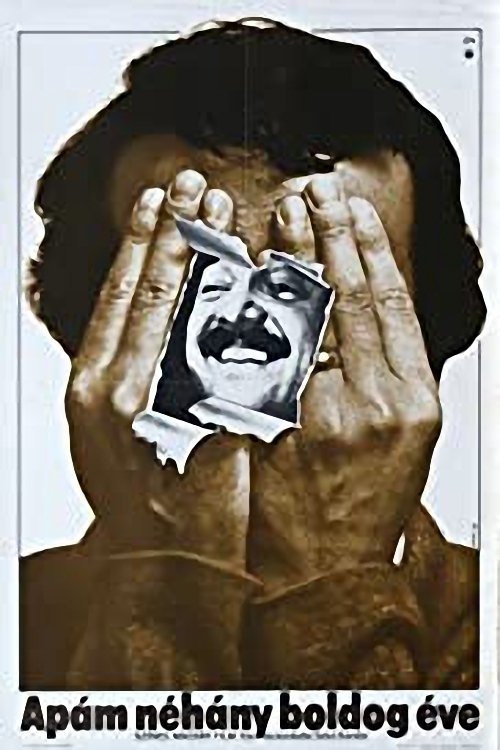
My Father's Happy Years
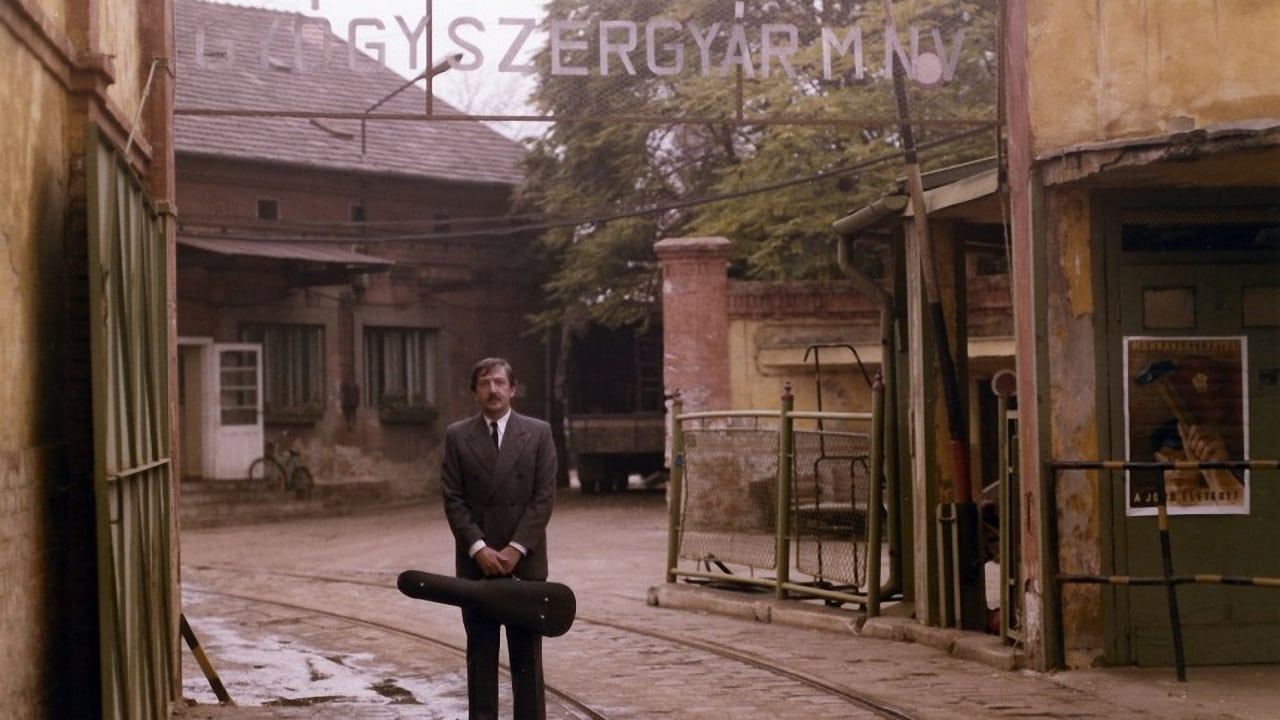
Director Sandor Simo based this film on his recollections of a period in his father's life just after World War II. In the film, Janos Torok is a chemist and an entrepreneur With enormous enthusiasm, he gets loans to purchase a small chemical plant and begins experiments to create innovative products, such as hormones. Meanwhile, the communist party has come to dominate Hungarian life in such a way that his activities are viewed as little more than criminal. He is hauled away to a prison camp, but even then his letters home are full of boundless optimism and his ideas for further experiments.
Insights
Plot Summary
This documentary explores various facets of human life and culture across different regions, focusing on themes of love, joy, and tradition. It presents a collection of vignettes showcasing diverse celebrations, rituals, and everyday experiences from around the globe. The film aims to offer a subjective yet engaging look at what constitutes happiness and the good life from various cultural perspectives.
Critical Reception
"My Father's Happy Years" received mixed reviews, with critics often divided on its ethnographic value and artistic merit. Some praised its ambitious scope and visual style, while others found its approach sensationalized and exploitative. Audience reception was similarly varied, with some appreciating its unconventional portrayal of global cultures and others finding it controversial.
What Reviewers Say
- Praised for its vibrant cinematography and ambition in capturing diverse human experiences.
- Criticized for its potentially sensationalist or exploitative portrayal of cultures.
- Seen by some as a subjective and engaging, albeit unconventional, look at global happiness.
Google audience: Audience feedback on "My Father's Happy Years" is scarce, but general sentiment suggests a polarizing reception. Some viewers found the film fascinating for its exoticism and exploration of different lifestyles, while others questioned its authenticity and ethical presentation of subjects.
Fun Fact
Gualtiero Jacopetti, known for his controversial mondo films, often used staged or heavily manipulated events to create a provocative cinematic experience, blurring the lines between documentary and fiction.
AI-generated overview · Verify ratings on official sources