
Movie spotlight
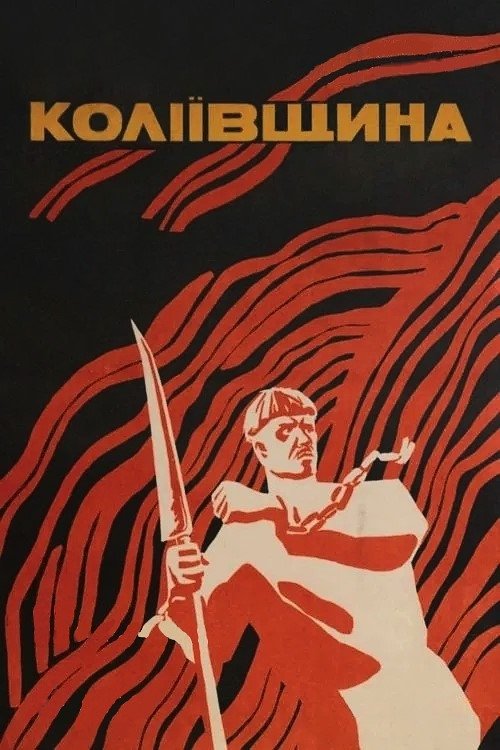
Koliivshchyna
An episode of the liberation movement in Ukraine - the uprising of Kolievs (serfs, artisans and fishermen) against the tyranny of the feudal lords and the Polish nobility, which ended with a brutal massacre performed by a Russian punitive expedition in 1768.
Insights
Plot Summary
The film depicts the Koliivshchyna uprising of 1768, a peasant rebellion in Right-bank Ukraine against Polish landlords and the Uniate Church. It focuses on the desperate struggle of the Ukrainian Cossacks and peasants seeking freedom and religious autonomy. The narrative highlights the brutality of the suppression and the ultimate, tragic fate of the rebels.
Critical Reception
As a Soviet historical film from the 1930s, 'Koliivshchyna' aligns with the ideological narratives of the time, portraying historical events through a socialist realist lens. Its reception among contemporary critics would have been influenced by political considerations, likely praising its depiction of class struggle and national liberation. Modern critical analysis often views it within the context of Soviet cinema's historical epics.
What Reviewers Say
Praised for its epic scale and portrayal of peasant rebellion.
Seen as an ideological statement reinforcing Soviet historical narratives.
Noted for its dramatic depiction of historical conflict and its tragic outcomes.
Google audience: Information regarding Google user reviews for this specific historical film is not readily available.
Fun Fact
Director Ivan Kavaleridze was also a prolific sculptor, and his artistic background is often credited with lending a distinctive visual style to his films, including 'Koliivshchyna'.
AI-generated overview · Verify ratings on official sources