

Movie spotlight
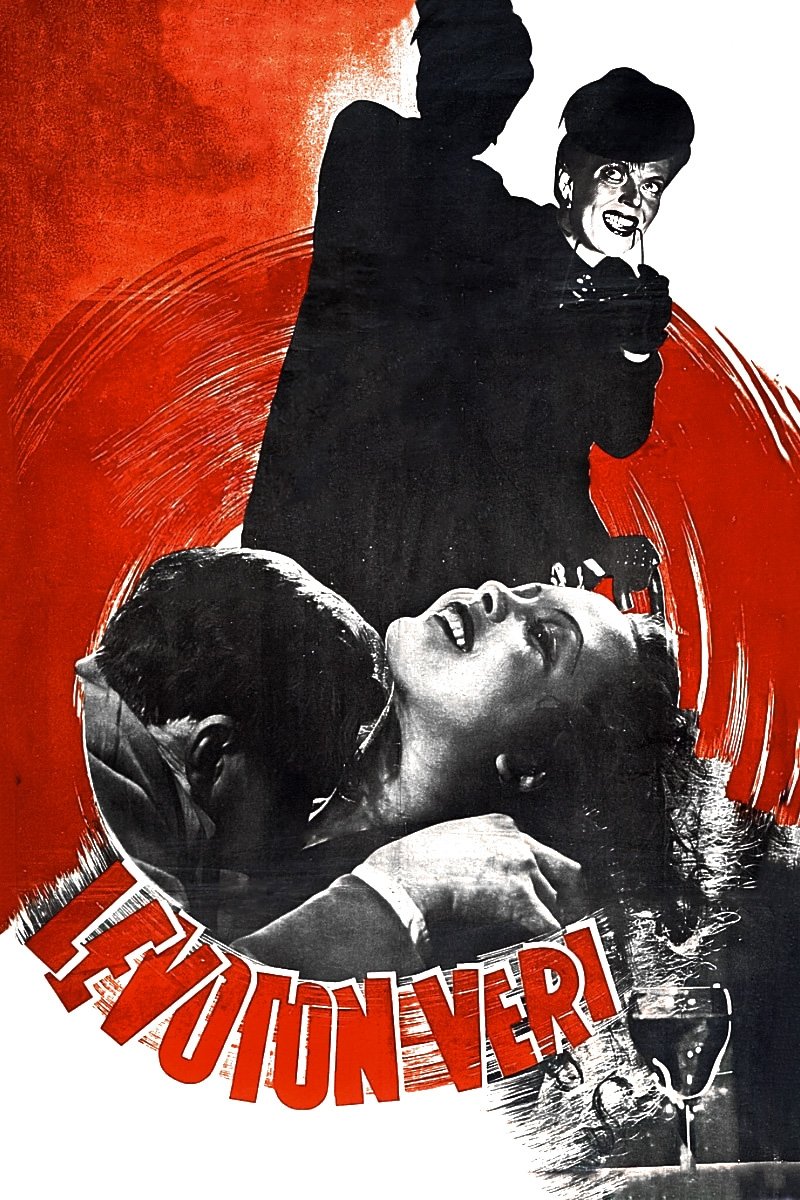
Levoton veri
Sylvi's child is run over by a bus, prompting her to drink poison. She goes blind in the process, causing her husband to lust after her much younger sister. After undergoing a dangerous operation to regain her sight, she hides her repaired vision behind dark eyeglasses, so she can spy on her sister and husband as they carry on their affair. Known in English as Restless Blood.
Insights
Plot Summary
A young man's life takes a dark turn when he becomes involved with a criminal element. Haunted by his past and the choices he's made, he struggles to find redemption and escape the destructive path he's on. The film explores themes of guilt, fate, and the consequences of one's actions in post-war Norway.
Critical Reception
Levoton veri was a notable Norwegian film of its time, exploring serious social themes. While its specific critical reception details from 1946 are scarce, it is recognized for its attempt to grapple with the psychological and social impact of crime and difficult circumstances in the post-war era. Audience reactions would have been shaped by the cinematic landscape and prevailing social attitudes of the period.
What Reviewers Say
The film offers a somber look at the darker aspects of human nature.
It is noted for its dramatic intensity and exploration of moral conflict.
Some viewers may find the narrative bleak, but it serves its thematic purpose.
Google audience: Due to the film's age and limited international distribution, specific Google user reviews are not readily available. However, films of this nature from the era often resonated with audiences for their serious dramatic content and exploration of societal issues.
Fun Fact
Levoton veri (Restless Blood) is one of the few Norwegian films from the mid-1940s that is still remembered and discussed for its gritty portrayal of post-war Norwegian society and its psychological drama.
AI-generated overview · Verify ratings on official sources