
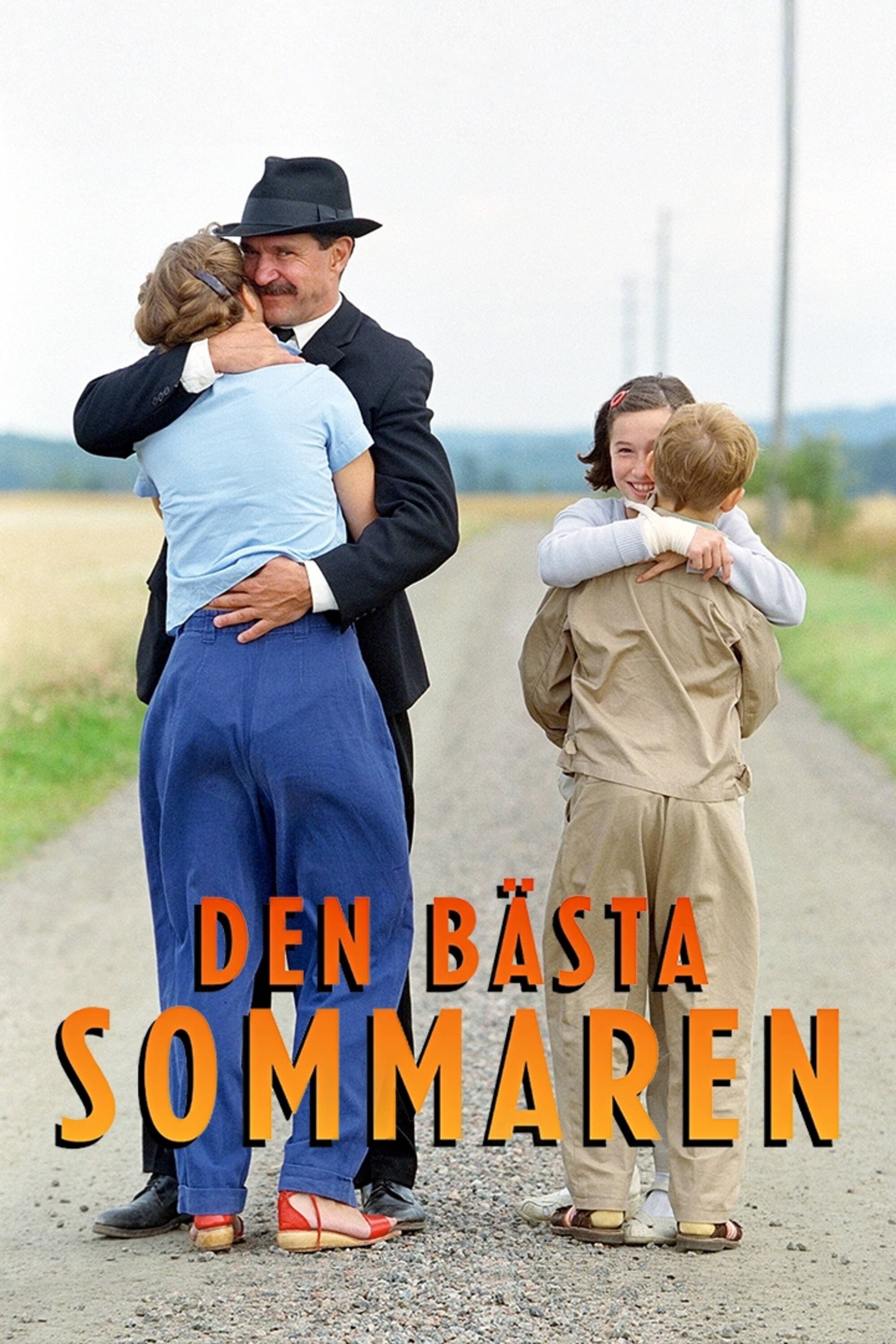

A Summer Tale
The summer of '58, the year Sweden almost won the world championship in soccer over Brazil, Yngve Johansson accepts two children to live with him during the summer, as told through the eyes of a young boy. His name is Mårten, and the other child's name is Annika. She is a rough girl, with many problems. The three of them do not get along, and Yngve is a true dictator to the children's eyes. However, when the children discover that their new guardian has a crush on their teacher (Cecilia Nilsson), they do what they can to bring the two together. Soon enough, the three will discover that they have a lot more in common than they previously imagined, and together they can make their lives worth living again. This is a sweet story about life in Sweden in the mid 1900's. It is about family, love, hate, innocent friendship that we all can relate to, and much, much more...
Insights
Plot Summary
Gaspar, a young man with a passion for mathematics, finds himself on vacation in Brittany. He struggles to balance the affections of three very different young women: Lena, a singer who loves to dance; Solène, a romantic who loves the sea; and Margot, a more grounded and pragmatic friend. His indecisiveness and philosophical musings lead him through a series of charming and sometimes awkward romantic encounters as he navigates the complexities of desire and commitment.
Critical Reception
Rohmer's final film was generally well-received by critics, who praised its characteristic light touch, observational humor, and exploration of youthful relationships. It was seen as a fitting conclusion to his 'Tales of Four Seasons' series, embodying his signature style of dialogue-driven narratives and nuanced character studies.
What Reviewers Say
- Praised for Rohmer's signature intellectual yet accessible dialogue.
- Appreciated for its light, observational humor and nuanced portrayal of young love.
- Seen as a charming and fitting end to the director's 'Tales of Four Seasons' series.
Google audience: Audiences enjoyed the film's relaxed pace and thought-provoking discussions on relationships and choices, though some found it a bit too talky.
Fun Fact
Éric Rohmer, known for his meticulous approach, would often have his actors rehearse scenes extensively before shooting, but allow for spontaneous improvisation during takes to capture a naturalistic feel.
AI-generated overview · Verify ratings on official sources