Movie spotlight
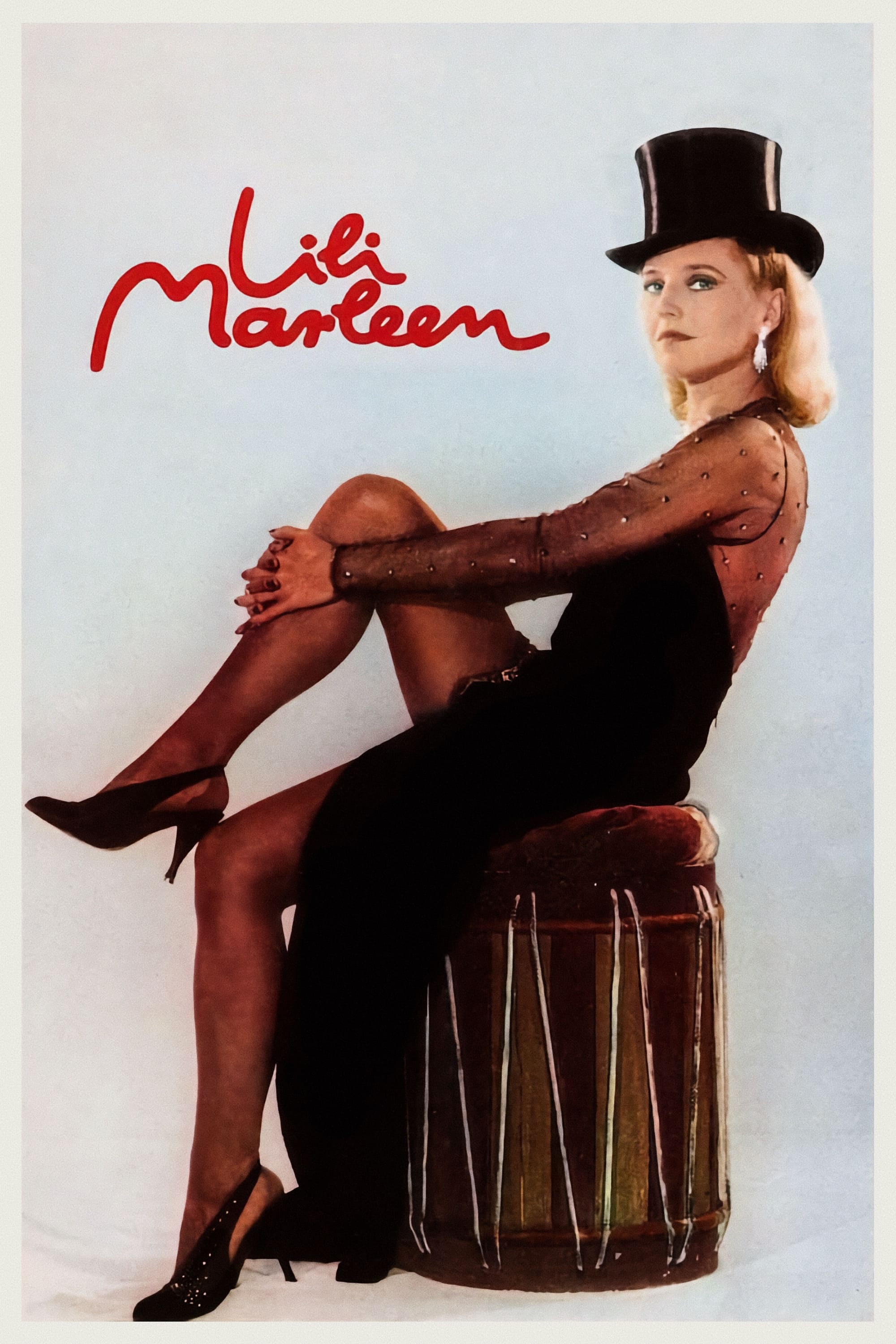
Lili Marleen
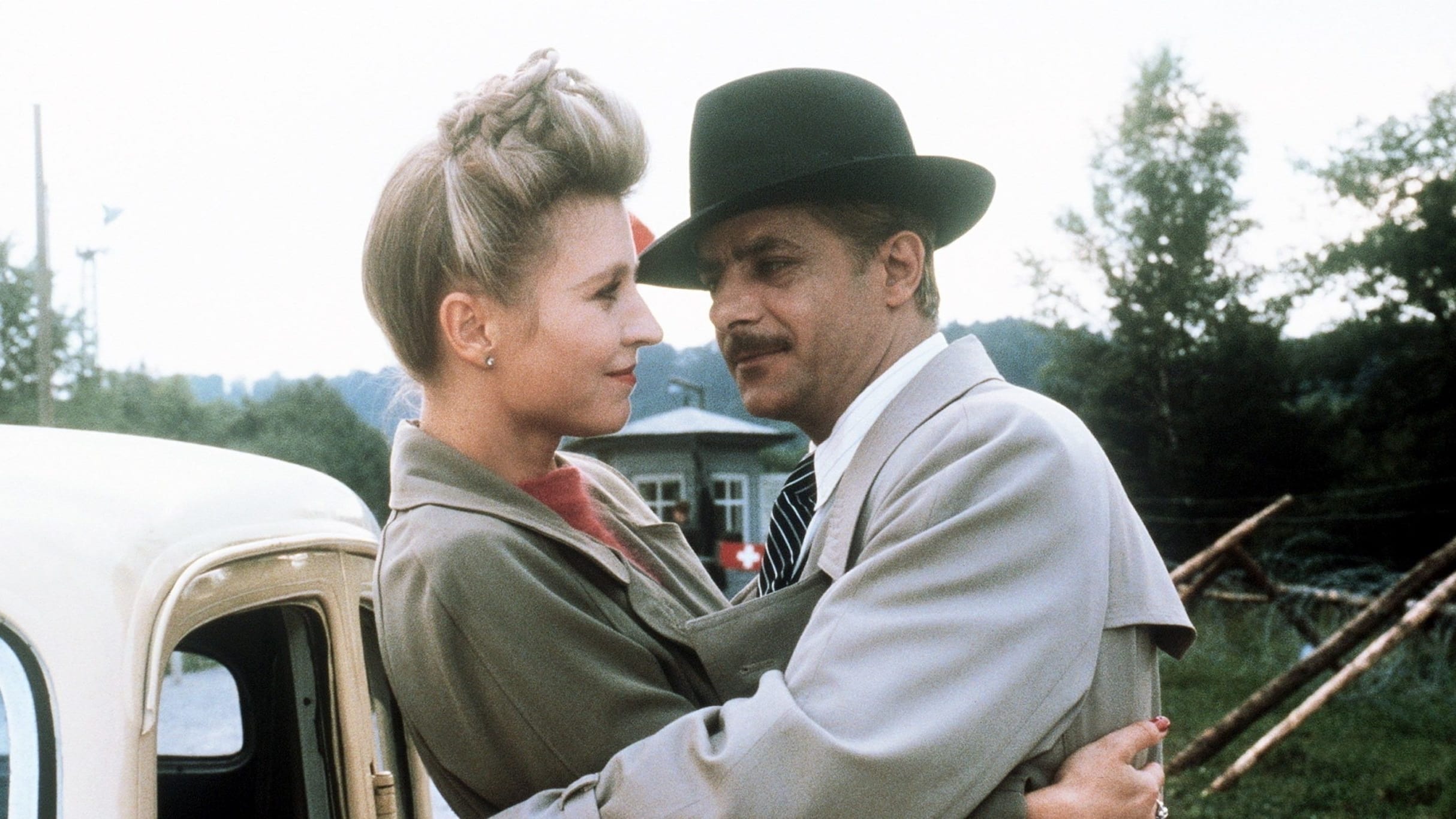
The story of a German singer named Willie, who while working in Switzerland, falls in love with a Jewish composer named Robert, whose family is helping people to flee from the Nazis. Robert’s family is skeptical of Willie, thinking she could be a Nazi as she becomes famous for singing the song “Lili Marleen”.
Insights
Plot Summary
Set during the Third Reich, the film centers on the rise to fame of cabaret singer Lale Andersen, who becomes a symbol of hope and despair for German soldiers and the public alike with her melancholic song 'Lili Marleen.' The story follows her personal life, complicated by a forbidden love affair with a Jewish musician and her entanglement with Nazi officials, all against the backdrop of war and political intrigue.
Critical Reception
Rainer Werner Fassbinder's 'Lili Marleen' received mixed to positive reviews upon its release. Critics generally praised Hanna Schygulla's compelling performance and Fassbinder's characteristic visual style. However, some found the film's narrative uneven and its depiction of historical events somewhat detached. Despite varying opinions on its effectiveness as a historical drama, it is recognized as a significant work within Fassbinder's filmography and a notable exploration of art and propaganda during wartime.
What Reviewers Say
Hanna Schygulla delivers a powerful and memorable performance as the enigmatic singer.
Fassbinder's distinctive visual flair and direction are evident throughout the film.
The film is a complex, albeit sometimes sprawling, examination of art, politics, and personal compromise during the Nazi era.
Google audience: Audience reception for 'Lili Marleen' is not extensively documented on Google, but general sentiment acknowledges its artistic merit and Schygulla's performance, with some viewers finding its historical narrative compelling while others noted its challenging and somber tone.
Fun Fact
The film controversially uses the actual song 'Lili Marleen,' which was a real hit for Lale Andersen during WWII and became an anthem for soldiers on both sides of the conflict.
AI-generated overview · Verify ratings on official sources