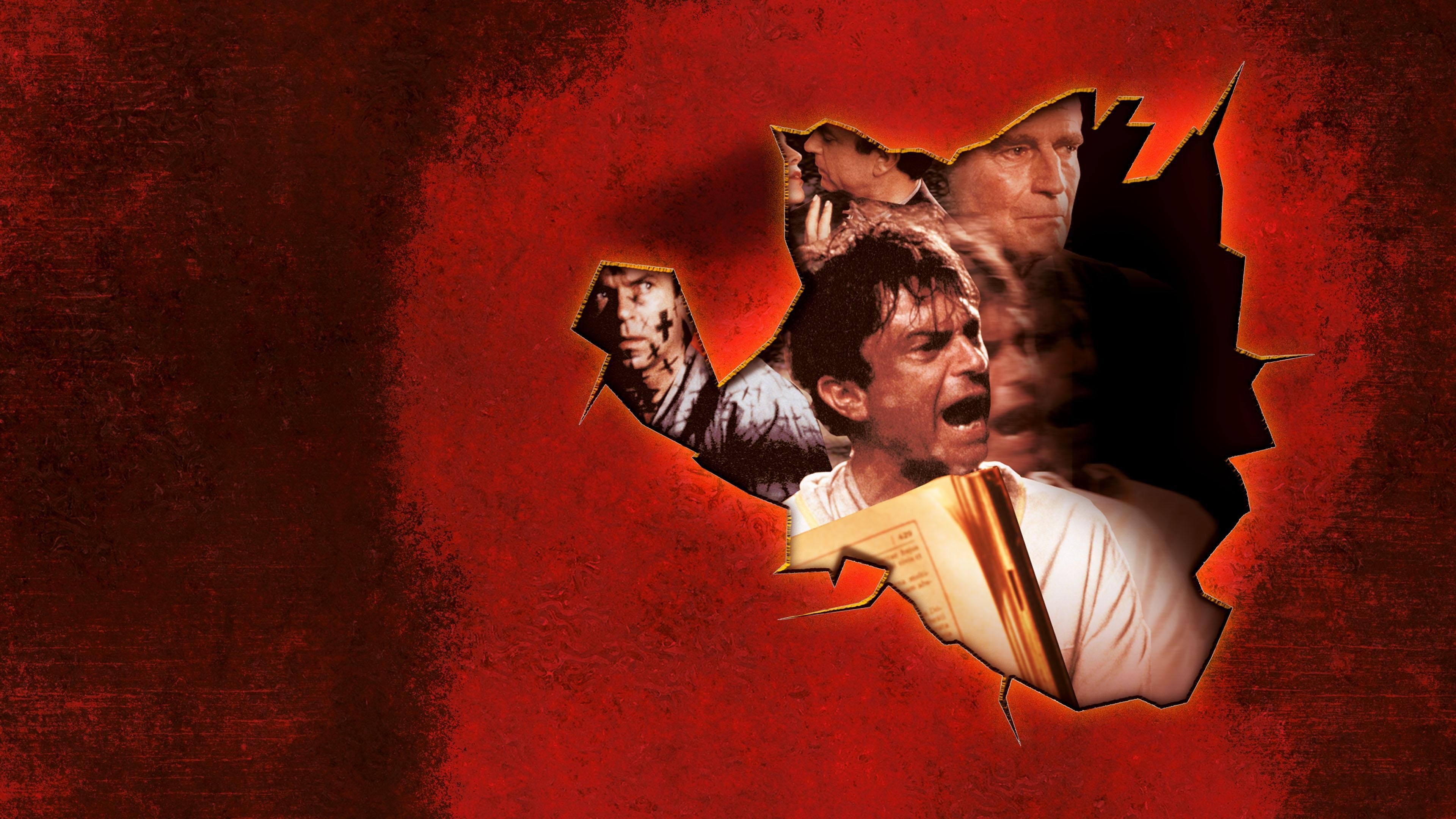

In the Mouth of Madness
An insurance investigator visits a small town while looking into the strange disappearance of a popular horror novelist. He soon finds that the impact of the author’s books is far more than inspirational.
Insights
Plot Summary
Insurance investigator John Trent is hired to find the whereabouts of Sutter Cane, a popular horror novelist who has vanished just as his latest book is set to be released. Trent's search leads him to Hobb's End, a mysterious town that seems to have sprung directly from Cane's disturbing fiction. As the lines between reality and fiction blur, Trent finds himself ensnared in a terrifying cosmic horror that threatens to consume his sanity.
Critical Reception
While not a commercial success upon release, "In the Mouth of Madness" has since gained a significant cult following and is now considered by many to be one of John Carpenter's most underrated and terrifying films. Critics at the time were divided, with some praising its ambitious narrative and unsettling atmosphere, while others found it overly convoluted and derivative of Lovecraftian themes.
What Reviewers Say
- A mind-bending descent into cosmic horror that effectively blends psychological dread with visceral scares.
- Carpenter's signature atmospheric direction and Sam Neill's compelling performance anchor the film's ambitious, Lovecraftian narrative.
- Praised for its unsettling imagery and exploration of the power of fiction to shape reality.
Google audience: Audiences generally appreciate the film's dark and disturbing atmosphere, with many highlighting its effective scares and Sam Neill's captivating performance. Some find the plot intricate and thought-provoking, while others note it can be confusing at times.
Fun Fact
The film's original ending was significantly different, featuring a much more bleak and despairing conclusion where Trent succumbs to madness. This was changed to the more ambiguous, yet still unsettling, final scene shown in the released version.
AI-generated overview · Verify ratings on official sources