IMDb6.6/10
Rotten Tomatoes65%
Google Users78%
Director: Richard Quine•Genres: Comedy, Crime
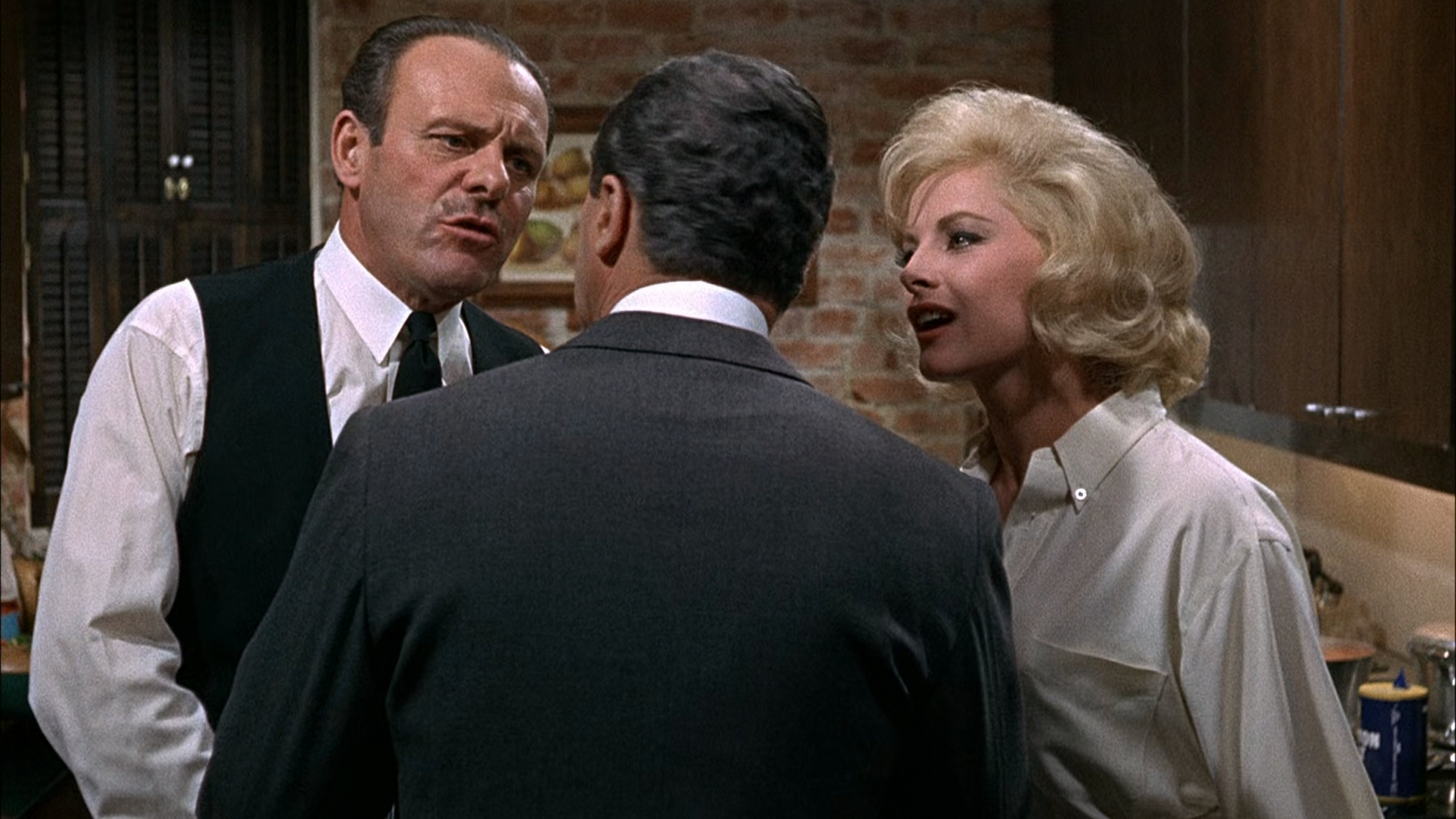
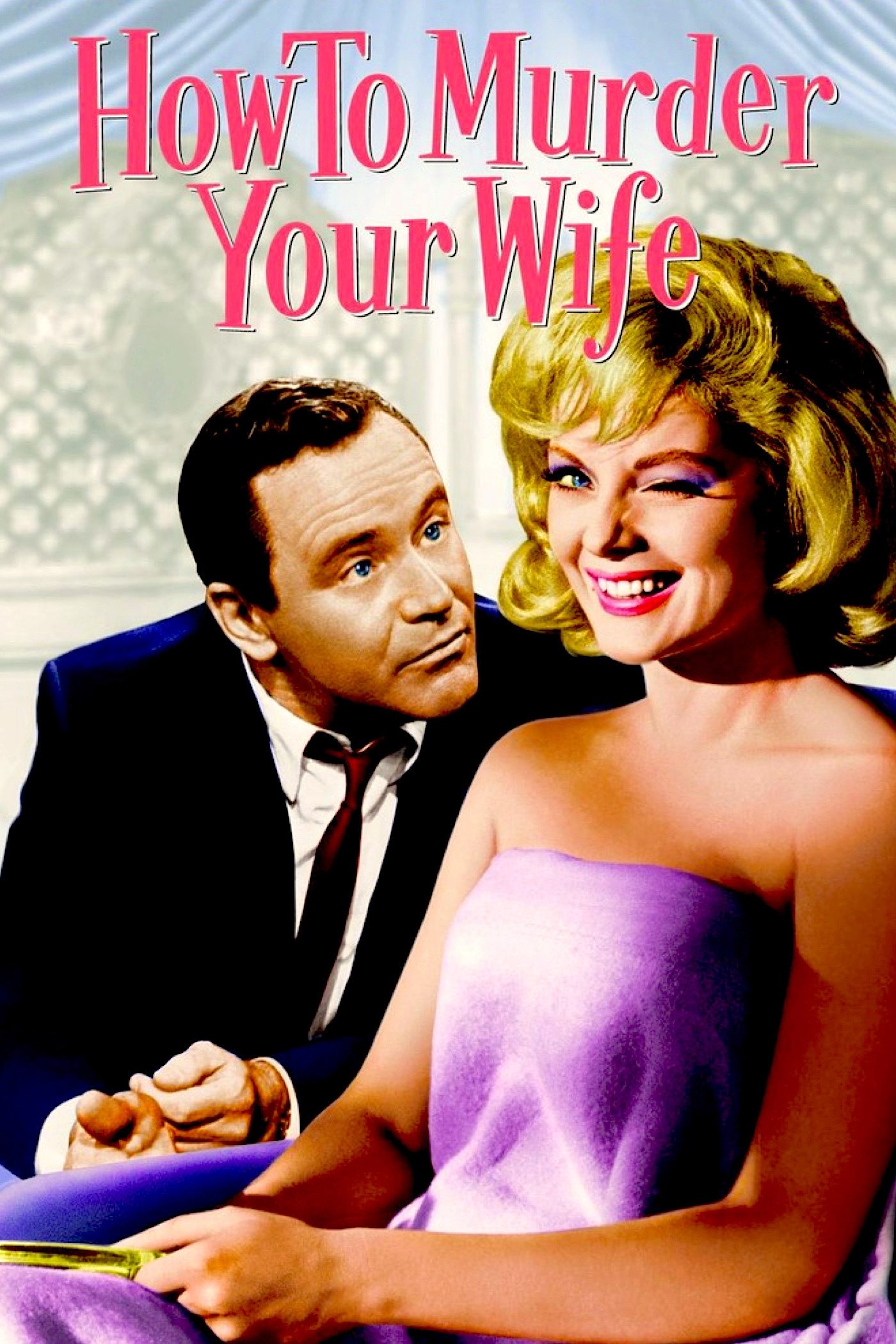
A happily unmarried cartoonist, Stanley Ford, finds his life turned upside down when he drunkenly stumbles into a marriage with a beautiful Italian woman, Leonora. Upon waking and realizing his mistake, he tries to annul the marriage, but discovers that his new wife is no longer interested in leaving. In a fit of desperation, Stanley plots to murder his wife, staging the crime to look like a robbery gone wrong, but his plans are continually thwarted by his own incompetence and the interference of his friends.
How to Murder Your Wife was a commercial success, performing well at the box office. Critics at the time generally found the film to be a funny and entertaining comedy, praising its satirical premise and the performances of its lead actors, particularly Jack Lemmon. While some noted its somewhat dark humor, it was widely considered a lighthearted and enjoyable film.
Praised for its witty satire on marriage and the lengths one might go to escape it.
Jack Lemmon's comedic timing and performance are a highlight.
Some found the humor a bit too dark or dated by modern standards.
Google audience: Audiences generally enjoyed the film's comedic premise and Jack Lemmon's performance. Many found it to be a funny and entertaining movie, appreciating its clever take on marital woes and the escapist fantasy of 'murdering' one's wife to regain freedom. However, a portion of viewers felt the humor was a bit too dated or potentially offensive.
The film's premise was inspired by a short story of the same name by Rex Lardner, which was published in Esquire magazine.
AI-generated overview · Verify ratings on official sources