Ask This of Rikyu
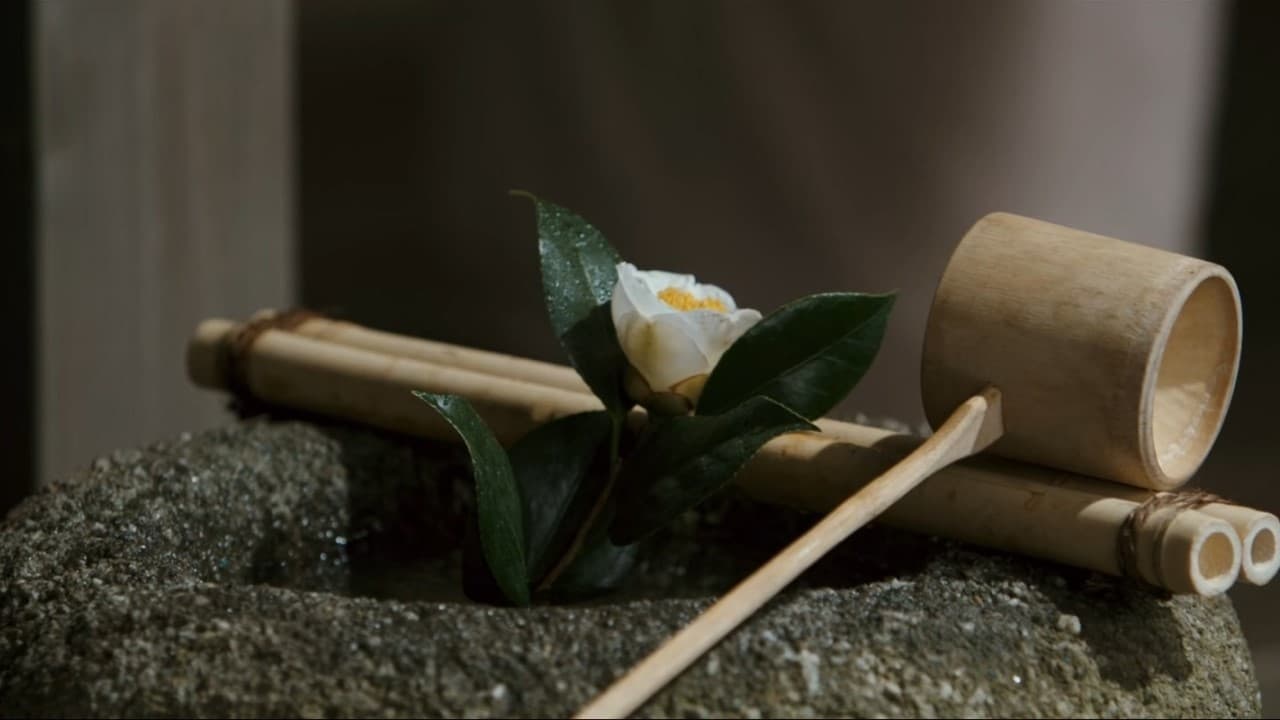
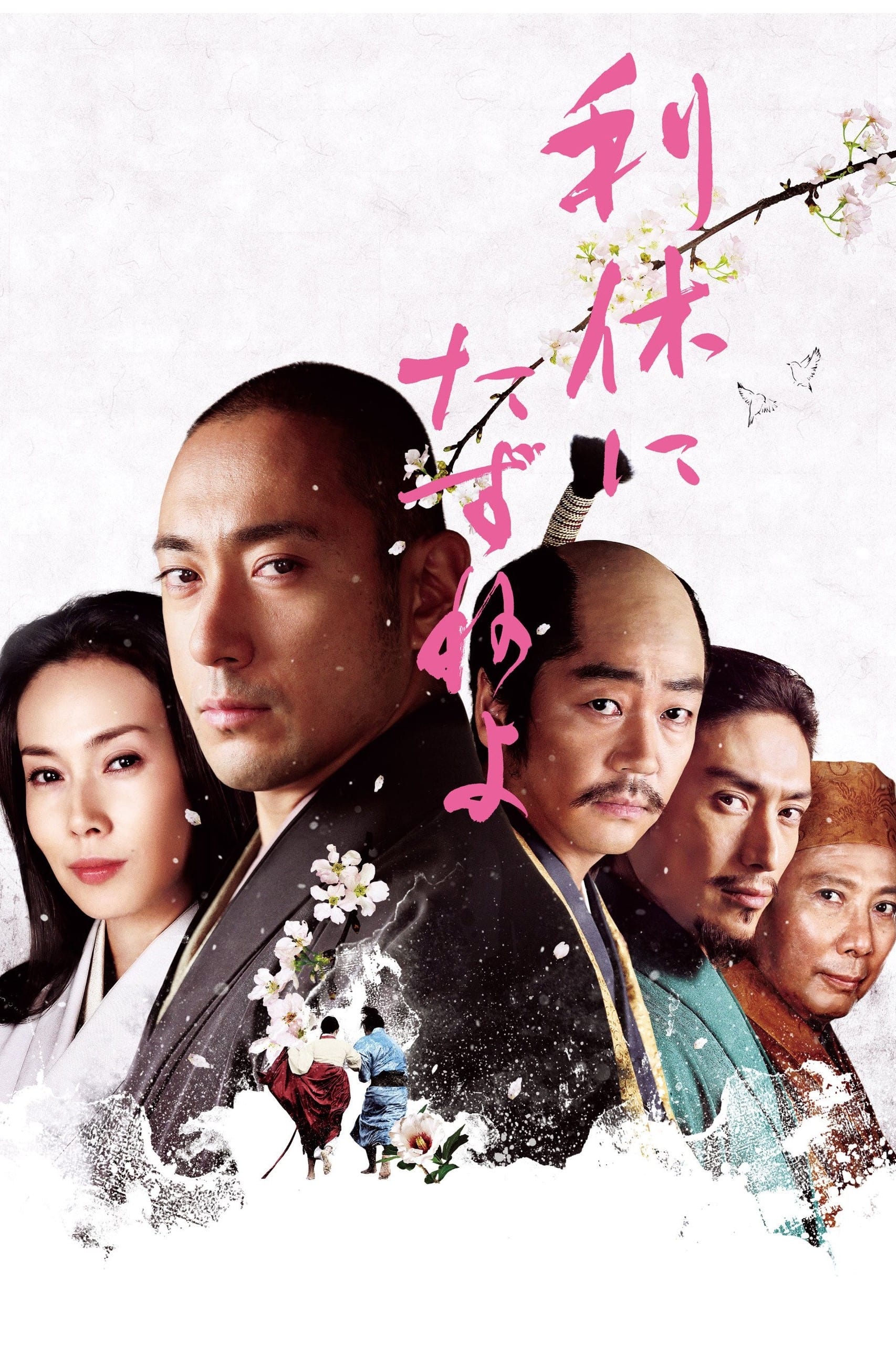
Sen no Rikyu (Ebizo Ichikawa) is the son of a fish shop owner. Sen no Rikyu then studies tea and eventually becomes one of the primary influences upon the Japanese tea ceremony. With his elegant esthetics, Sen no Rikyu is favored by the most powerful man in Japan Toyotomi Hideyoshi (Nao Omori) and becomes one of his closest advisors. Due to conflicts, Toyotomi Hideyoshi then orders Sen no Rikyu to commit seppuku (suicide). Director Mitsutoshi Tanaka's adaptation of Kenichi Yamamoto's award-winning novel of the same name received the Best Artistic Contribution Award at the 37th Montréal World Film Festival, the Best Director Award at the 2014 Osaka Cinema Festival, the 30th Fumiko Yamaji Cultural Award and the 37th Japan Academy Film Prize in nine categories, including Best Art Direction, Excellent Film and Excellent Actor.
Insights
Plot Summary
In 16th century Japan, master tea ceremony practitioner Sen no Rikyu navigates the turbulent political landscape, advising the powerful warlord Toyotomi Hideyoshi. As Hideyoshi's ambition grows, Rikyu's influence and principles are tested, leading to a tragic conflict that shapes the future of Japanese aesthetics and the tea ceremony itself. The film explores the intersection of art, power, and personal integrity.
Critical Reception
The film received a generally positive reception, with critics praising its visual artistry and historical scope. While some found the pacing deliberate, many appreciated its thoughtful portrayal of a pivotal figure in Japanese culture. Audience reception was also favorable, particularly among those interested in Japanese history and the tea ceremony.
What Reviewers Say
- Visually stunning and meticulously crafted.
- A profound exploration of art, power, and ethics.
- Deliberate pacing that rewards patient viewers.
Google audience: Information on Google user reviews for this specific film is not readily available.
Fun Fact
Sen no Rikyu is a legendary figure in Japanese history, credited with perfecting the art of the Japanese tea ceremony and establishing its wabi-cha style, which emphasizes simplicity and austerity.
AI-generated overview · Verify ratings on official sources