
Humoresque
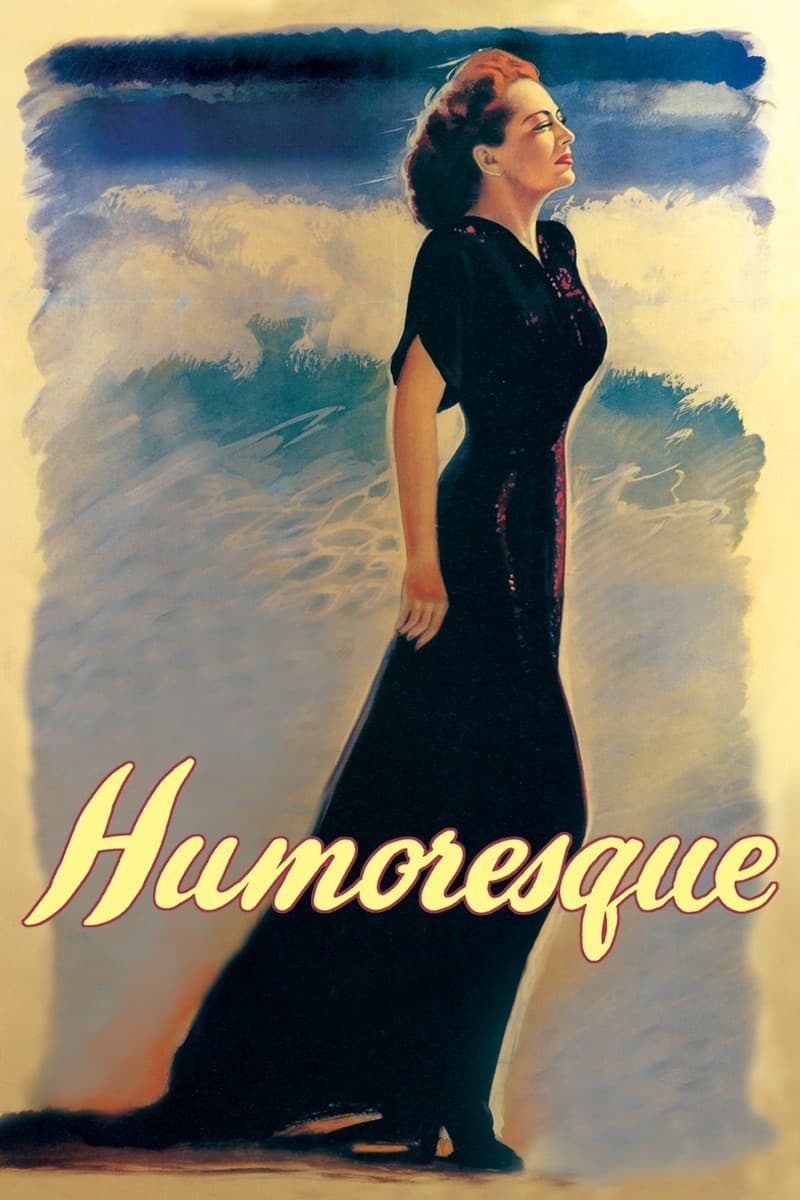
A classical musician from a working class background is sidetracked by his love for a wealthy, neurotic socialite.
Insights
Plot Summary
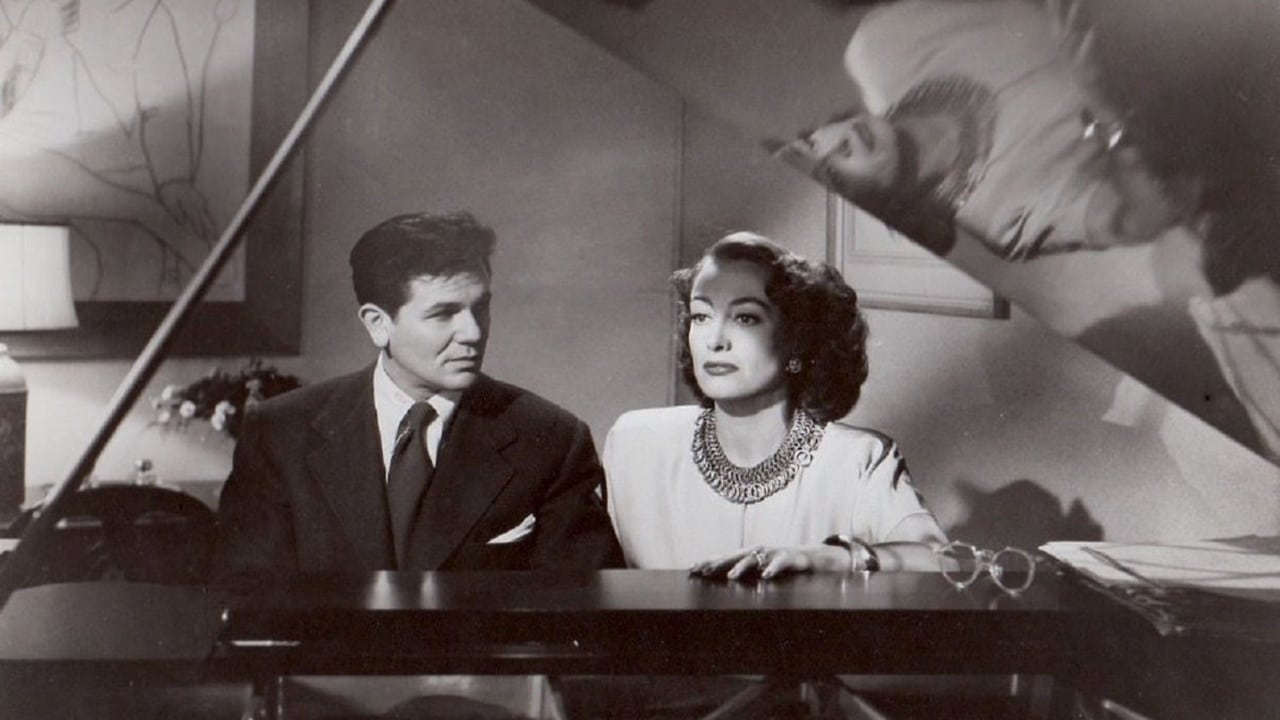
A violinist's rise to fame is fraught with emotional turmoil, largely due to his complicated relationship with his possessive, manipulative mother and his love for a married socialite. As his career flourishes, his personal life becomes increasingly entangled and destructive. The film explores the sacrifices and compromises required for artistic success, often at a great personal cost.
Critical Reception
Humoresque was generally well-received by critics upon its release, particularly for its performances and dramatic intensity. Joan Crawford's portrayal of the overbearing mother and John Garfield's sensitive performance as the violinist were frequently highlighted. While some critics found the melodrama occasionally overwrought, the film's exploration of complex psychological dynamics and its musical elements contributed to its favorable reception.
What Reviewers Say
- Praised for its powerful performances, especially from Joan Crawford and John Garfield.
- Appreciated for its dramatic exploration of ambition, family dynamics, and love.
- Cited for its effective use of classical music to enhance the emotional narrative.
Google audience: Audiences generally found the film to be a compelling drama with strong acting, particularly from its lead actors. The emotional intensity and the music were often highlighted as positives, though some felt the plot could be overly dramatic.
Fun Fact
The famous violin solo played by John Garfield in the film was actually performed by violinist Isaac Stern, whose music was overdubbed onto Garfield's performance.
AI-generated overview · Verify ratings on official sources