
Movie spotlight
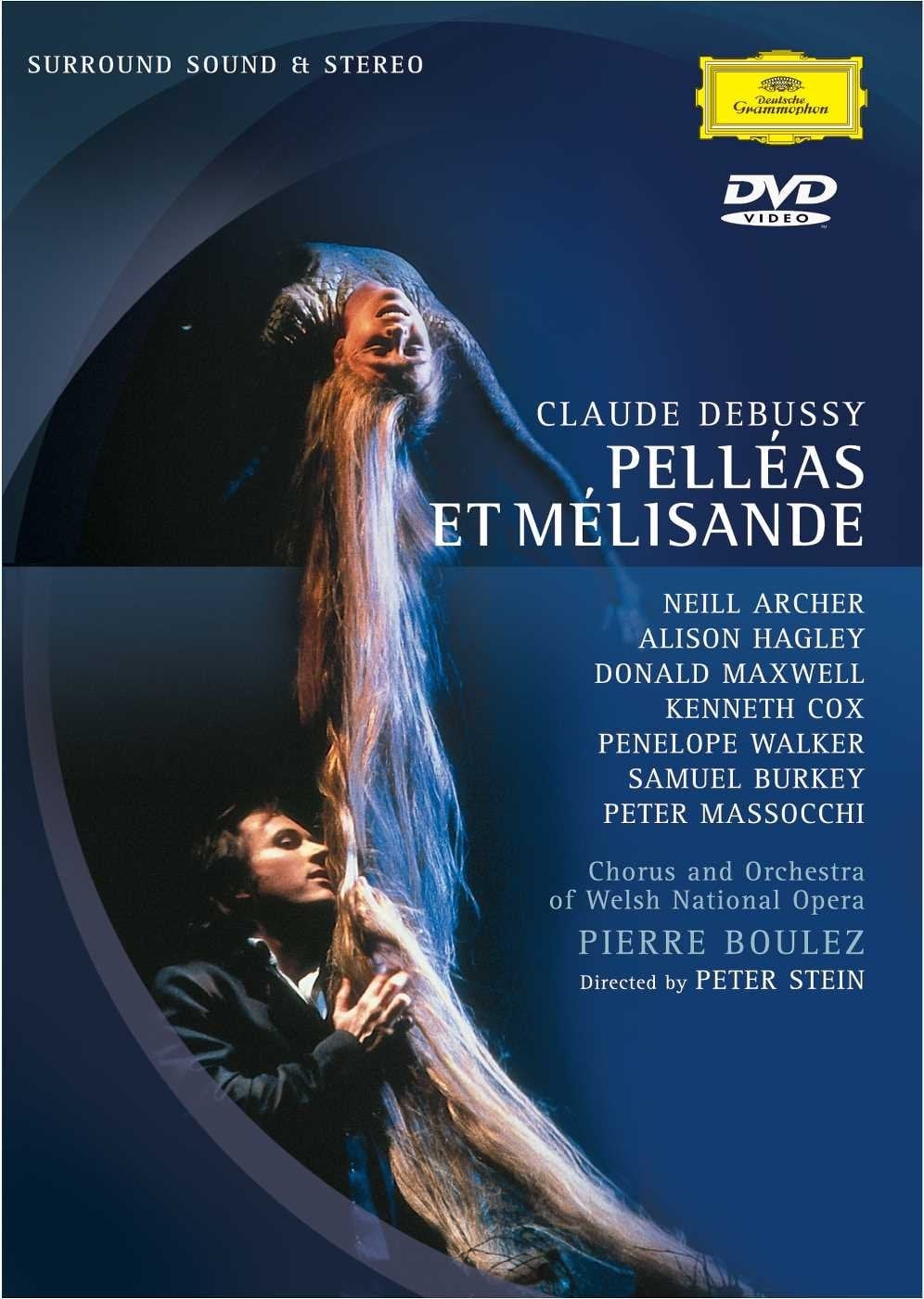
Pelléas et Mélisande
Pelléas et Mélisande (Pelléas and Mélisande) is an opera in five acts with music by Claude Debussy. The French libretto was adapted from Maurice Maeterlinck's Symbolist play Pelléas et Mélisande. It premiered at the Opéra-Comique in Paris on 30 April 1902 with Jean Périer as Pelléas and Mary Garden as Mélisande in a performance conducted by André Messager, who was instrumental in getting the Opéra-Comique to stage the work. The only opera Debussy ever completed, it is considered a landmark in 20th-century music.
Insights
Plot Summary
Based on Maurice Maeterlinck's symbolist play, the opera tells the story of forbidden love and tragic destiny within a royal family. Prince Pelléas falls deeply in love with his father's young second wife, Mélisande, a mysterious woman he met in a forest. Their unspoken passion and the suspicions of Pelléas's jealous half-brother Golaud lead to a series of misunderstandings and ultimately, a devastating tragedy.
Critical Reception
This 1992 production of Debussy's only opera, directed by Petr Weigl, was generally well-received for its atmospheric visual interpretation and strong vocal performances, capturing the enigmatic and melancholic essence of the source material. Critics praised the sophisticated staging and the delicate balance between the psychological drama and the musical score.
What Reviewers Say
Praised for its visually stunning and dreamlike staging.
Commended for the subtle yet powerful performances of the principal singers.
Applauded for successfully translating the opera's complex symbolism and atmosphere to the screen.
Google audience: Audience reception for this specific production is not widely documented on Google, but viewers often appreciate the operatic adaptation of Maeterlinck's dark fairytale for its artistic merit and emotional depth.
Fun Fact
Petr Weigl's 1992 film adaptation of 'Pelléas et Mélisande' is notable for its highly symbolic and often surreal visual style, which complements the ambiguous and mystical nature of Debussy's music and Maeterlinck's text.
AI-generated overview · Verify ratings on official sources