IMDb6.4/10
Rotten Tomatoes60%
Director: William A. Wellman•Genres: Drama, Thriller, War
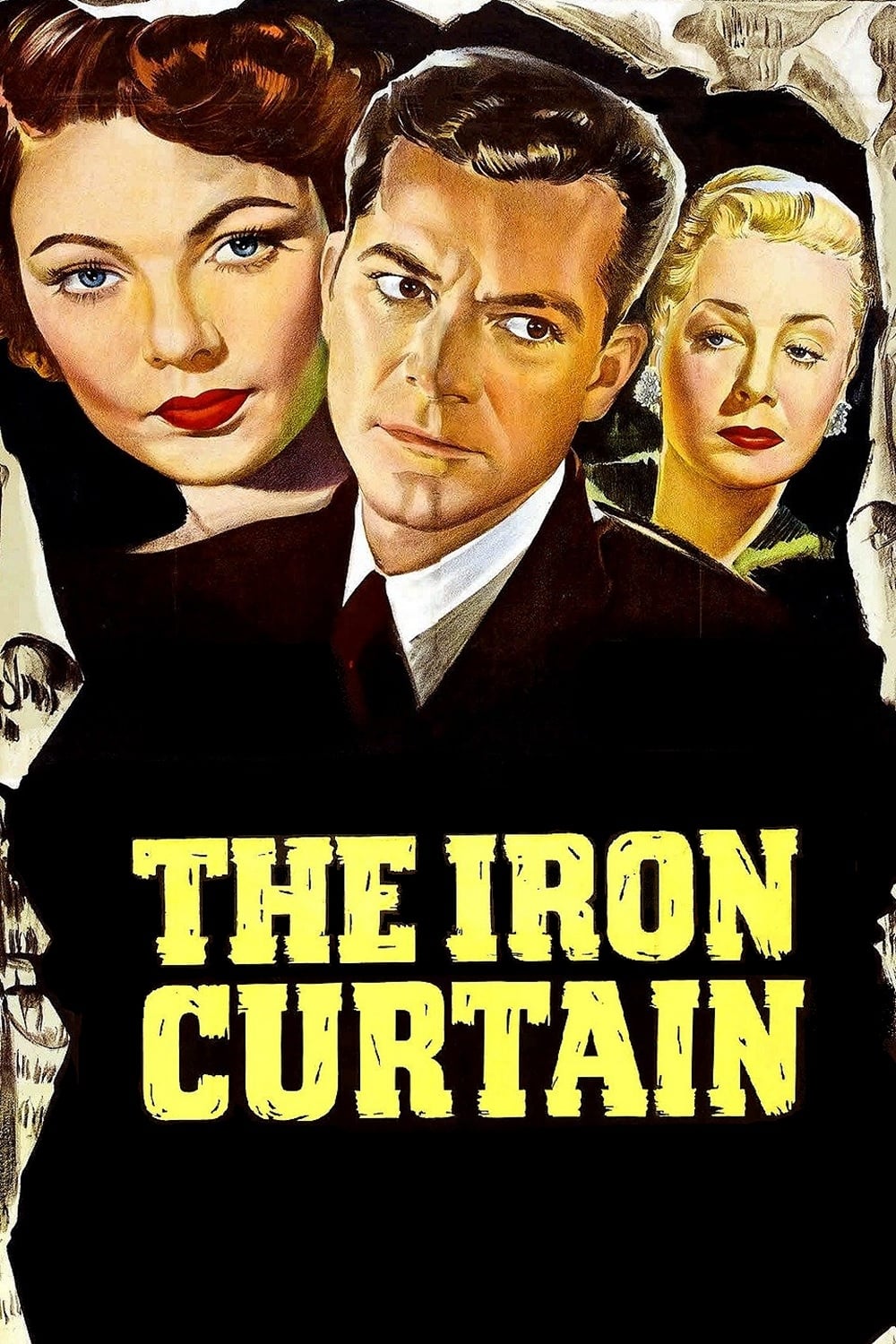
A Canadian Communist Party official, seeking to defect to the West, is targeted by Soviet agents determined to prevent him from revealing state secrets. He must rely on his wits and the help of an American journalist to escape the country and expose the truth. The film portrays the dangers and paranoia associated with espionage during the early days of the Cold War.
The Iron Curtain received mixed to positive reviews upon its release. While praised for its tense atmosphere and strong performances, some critics found its plot somewhat predictable or leaning towards propaganda. Audiences were generally engaged by the spy thriller elements and its topical Cold War themes.
- Praised for its suspenseful narrative and effective direction in building tension.
- Noted for the strong performances of its lead actors, particularly Dana Andrews.
- Some found the film's portrayal of Soviet agents to be somewhat stereotypical.
Google audience: Audience reception on Google is not readily available for this historical film.
The film was one of the earliest Hollywood productions to deal directly with the theme of Soviet espionage and the emerging Cold War tensions, reflecting the political climate of the late 1940s.
AI-generated overview · Verify ratings on official sources