
Movie spotlight
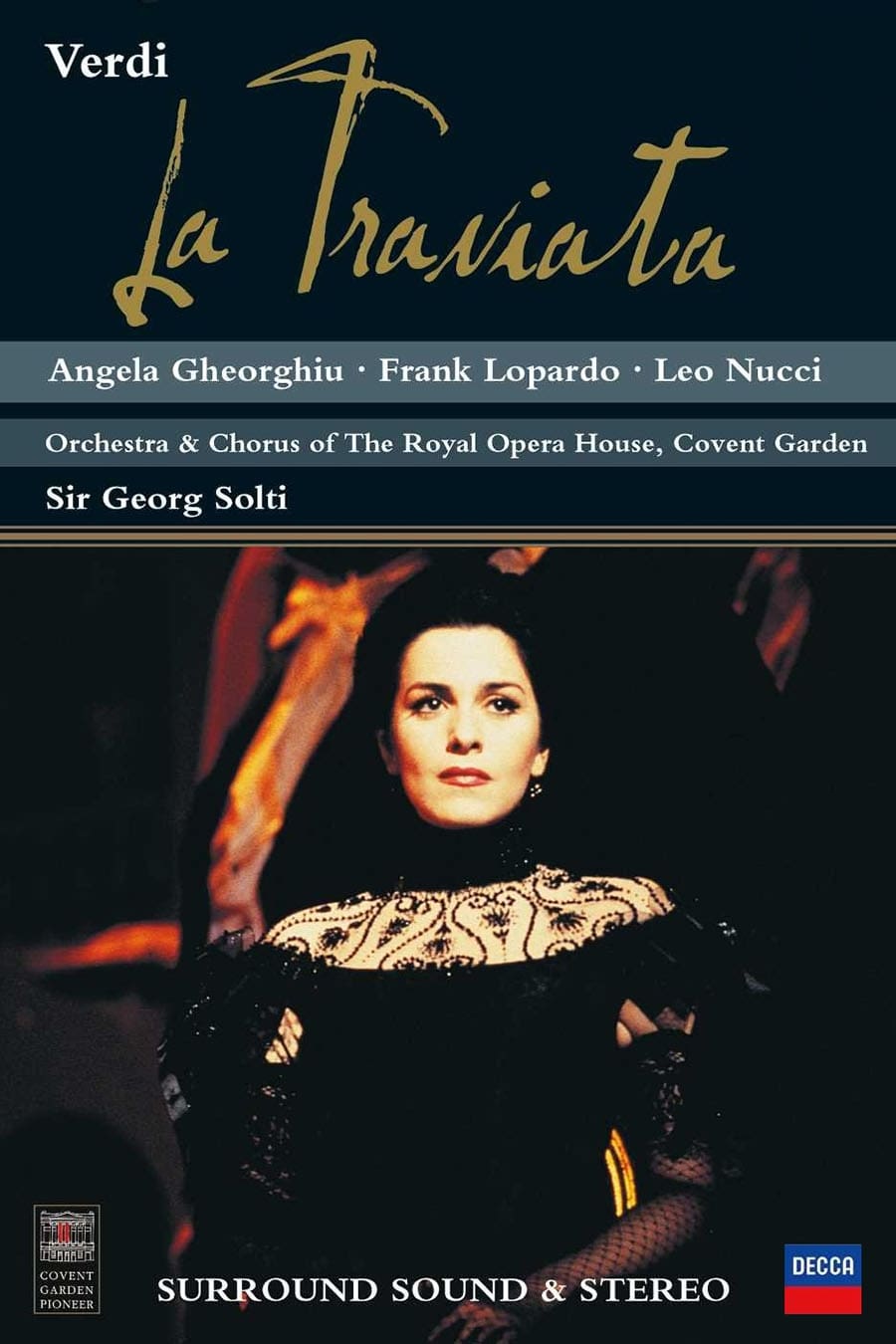
La Traviata
La traviata (Italian: [la traˈviaːta], "The Fallen Woman"[1][2]) is an opera in three acts by Giuseppe Verdi set to an Italian libretto by Francesco Maria Piave. It is based on La dame aux Camélias (1852), a play adapted from the novel by Alexandre Dumas, fils. The opera was originally entitled Violetta, after the main character. It was first performed on 6 March 1853 at the La Fenice opera house in Venice. Piave and Verdi wanted to follow Dumas in giving the opera a contemporary setting, but the authorities at La Fenice insisted that it be set in the past, "c. 1700". It was not until the 1880s that the composer and librettist's original wishes were carried out and "realistic" productions were staged.[3]
Insights
Plot Summary
This opera tells the tragic story of Violetta Valéry, a Parisian courtesan who falls deeply in love with the young nobleman Alfredo Germont. Despite societal pressures and Alfredo's father's interference, their passionate love affair blossoms. However, their happiness is short-lived as Violetta's past and declining health ultimately lead to her heartbreaking demise.
Critical Reception
Peter Konwitschny's 2001 production of Verdi's 'La Traviata' was highly acclaimed for its innovative staging and powerful musical performance. The direction was praised for its fresh interpretation of the classic opera, while the cast delivered emotionally resonant performances. It was seen as a significant contribution to operatic theatre, appealing to both seasoned opera-goers and newcomers.
What Reviewers Say
Praised for its bold and modern directorial vision.
Lauded for the exceptional vocal performances, particularly from the lead soprano.
Recognized for its emotional depth and effective storytelling within the operatic format.
Google audience: As specific user reviews for this particular production are not widely available on Google, general audience reception for 'La Traviata' often highlights its moving story and beautiful music.
Fun Fact
This production by Peter Konwitschny is notable for its very modern and often stark staging, which aimed to bring the timeless themes of Verdi's opera to a contemporary audience, sometimes sparking debate among traditionalists.
AI-generated overview · Verify ratings on official sources