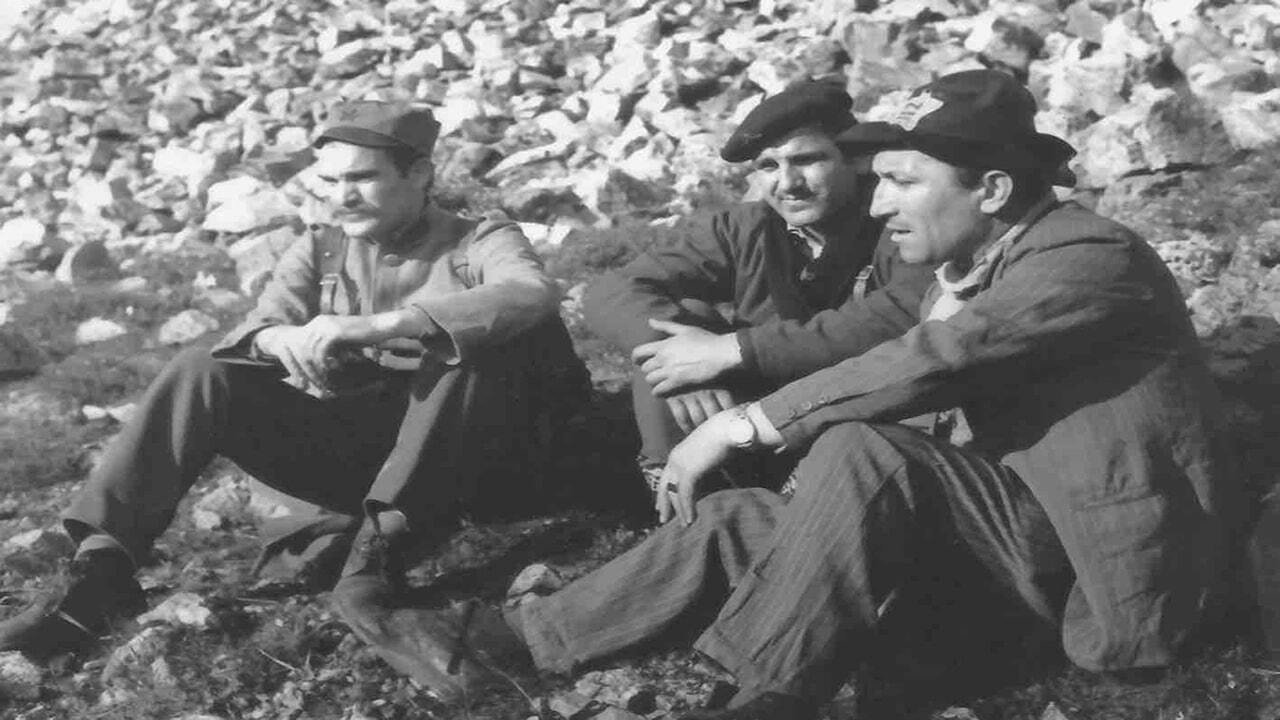

The Dream
In the whirlpool of WW2, two peaceful towns that have already tasted peace are once again attacked by the Germans. Casualties are high, but the dream of a boy and a girl about their liberated towns cannot be destroyed.
Insights
Plot Summary
This surreal drama tells the story of an aging poet who grapples with his past, present, and future. As he revisits significant moments in his life, he encounters fantastical elements and confronts his own mortality. The film explores themes of creativity, memory, and the search for meaning.
Critical Reception
Upon its release, 'The Dream' was met with a mixed reception, appreciated by some for its artistic ambition and experimental nature, while others found its surrealism and pacing challenging. Over time, it has gained a cult following among cinephiles interested in auteur cinema and Soviet experimental film.
What Reviewers Say
- Praised for its unique visual style and poetic exploration of existential themes.
- Criticized for its abstract narrative and deliberate pacing, which can alienate some viewers.
- Seen as a challenging but rewarding experience for those who appreciate avant-garde filmmaking.
Google audience: Audience reviews are scarce and often polarized, with some viewers finding the film deeply profound and visually stunning, while others express confusion and frustration with its unconventional storytelling.
Fun Fact
Mikhail Kalatozov, the director, was known for his innovative cinematography, famously using a steadicam-like device in his earlier film 'I Am Cuba' (1964), a technique that influenced future filmmakers.
AI-generated overview · Verify ratings on official sources