Movie spotlight
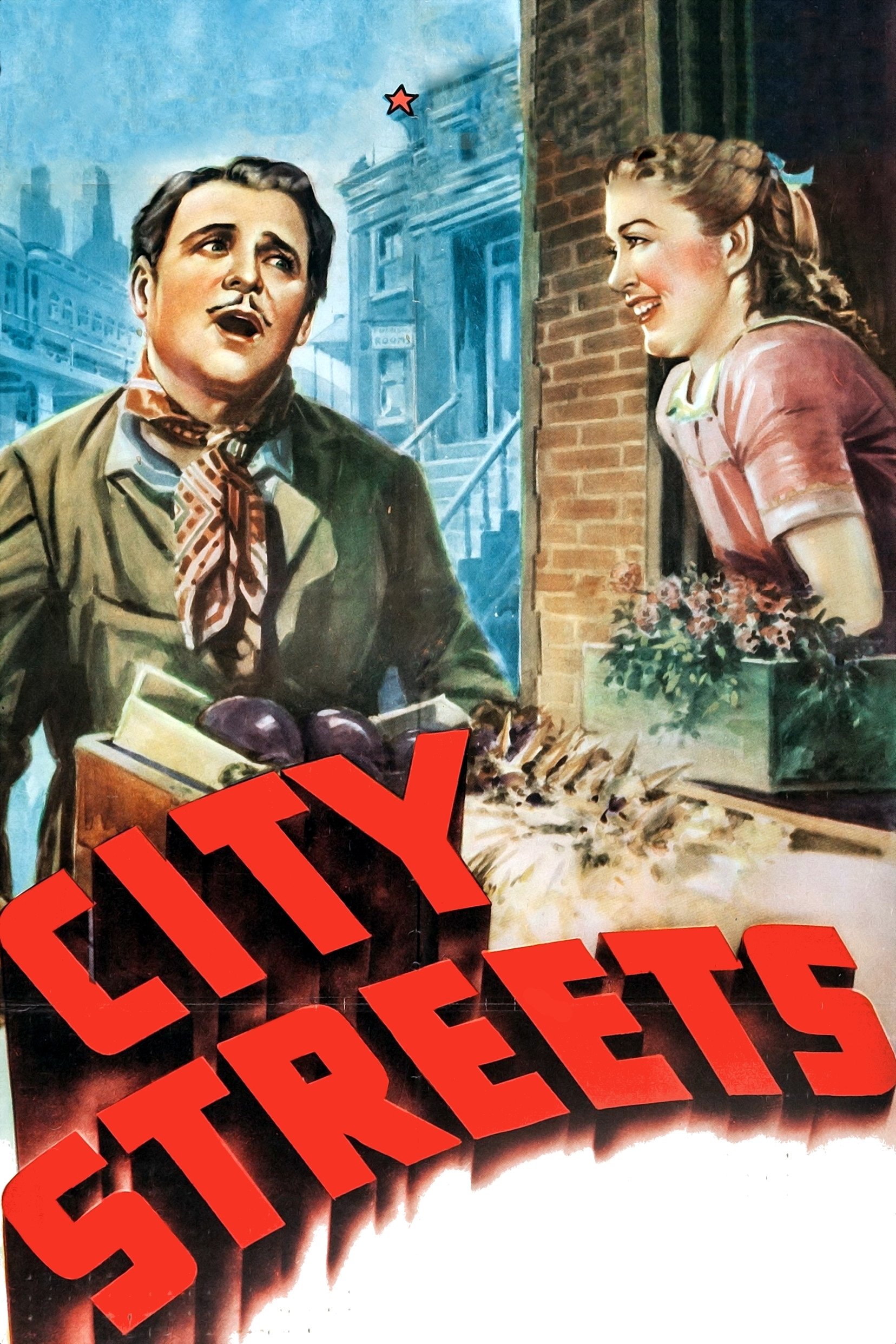
City Streets
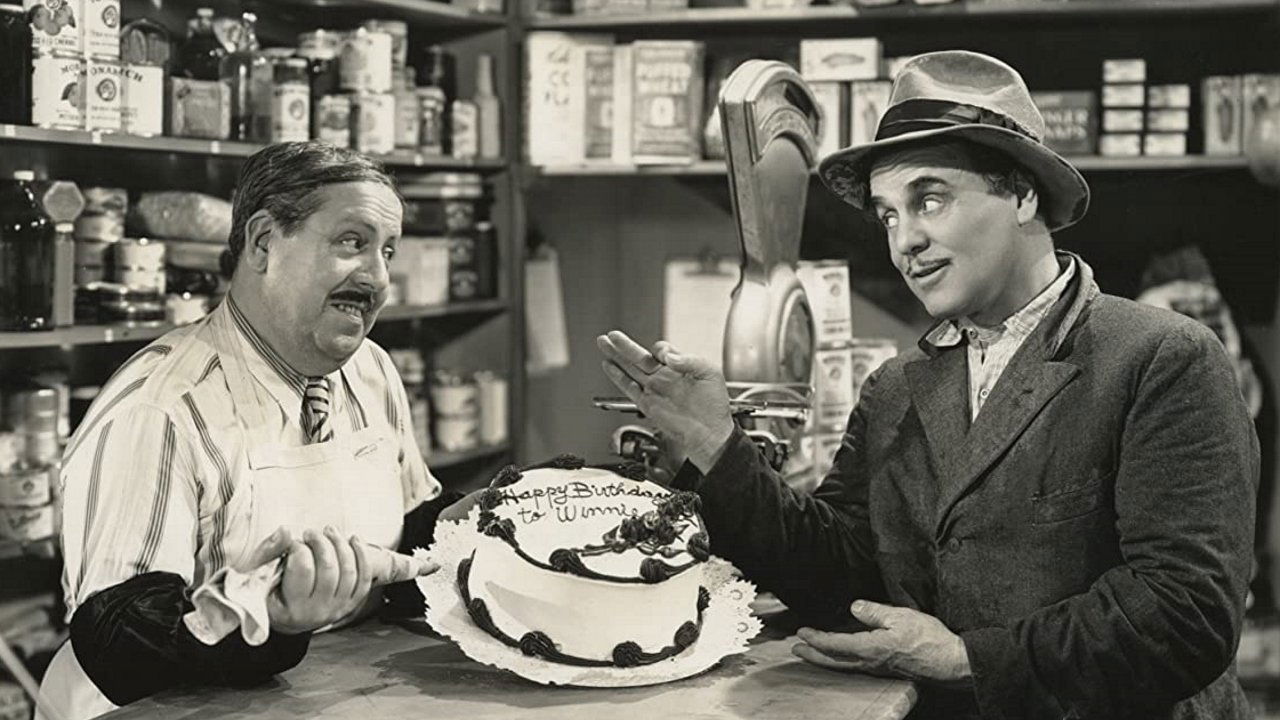
When her mother dies, wheel-chair bound Winnie Brady is taken in by shopkeeper and neighbor "Uncle" Joe Carmine. Joe convinces Father Ryan to let him informally adopt her. Joe and Winnie live together with Tommy Devlin and his grandmother, Mrs. Devlin, and a dog Winnie names Muriel. Joe sells his shop to pay for an unsuccessful operation on Winnie's legs. This bankrupts Carmine, who then earns a meager living selling fruits and vegetables on the streets. Winnie is sent to live in an orphanage, and Carmine is discouraged from continuing his relationship with her. Carmine is so distraught by grief that he slowly begins to die. Winnie is brought to him by Father Ryan, and she finds the strength to stand and walk to his bedside and sings his favorite song, "Santa Maria." Later, after Winnie has acquired full use of her legs, Joe, in his new catering truck, takes the children on a picnic in the country.
Insights
Plot Summary
A former boxer, struggling to make ends meet, gets entangled with a local crime boss and his moll. He attempts to go straight and build a new life, but his past and the dangerous underworld connections make it nearly impossible. The film follows his desperate fight for survival and redemption amidst the gritty urban landscape.
Critical Reception
City Streets, while not a major commercial success upon its release, has since been recognized as a significant work in the early development of film noir. Critics often praise its atmospheric direction, gritty realism, and strong performances, particularly from Lee Tracy, despite its modest budget.
What Reviewers Say
Praised for its atmospheric and moody direction by Edgar G. Ulmer.
Lee Tracy's performance as the conflicted protagonist is a highlight.
Recognized for its early elements of film noir and urban grit.
Google audience: Information on specific Google user reviews for City Streets (1938) is not readily available.
Fun Fact
Although Edgar G. Ulmer is often associated with independent and low-budget films, City Streets was produced by a major studio, Universal Pictures, but still bears many of Ulmer's characteristic stylistic touches.
AI-generated overview · Verify ratings on official sources