Movie spotlight
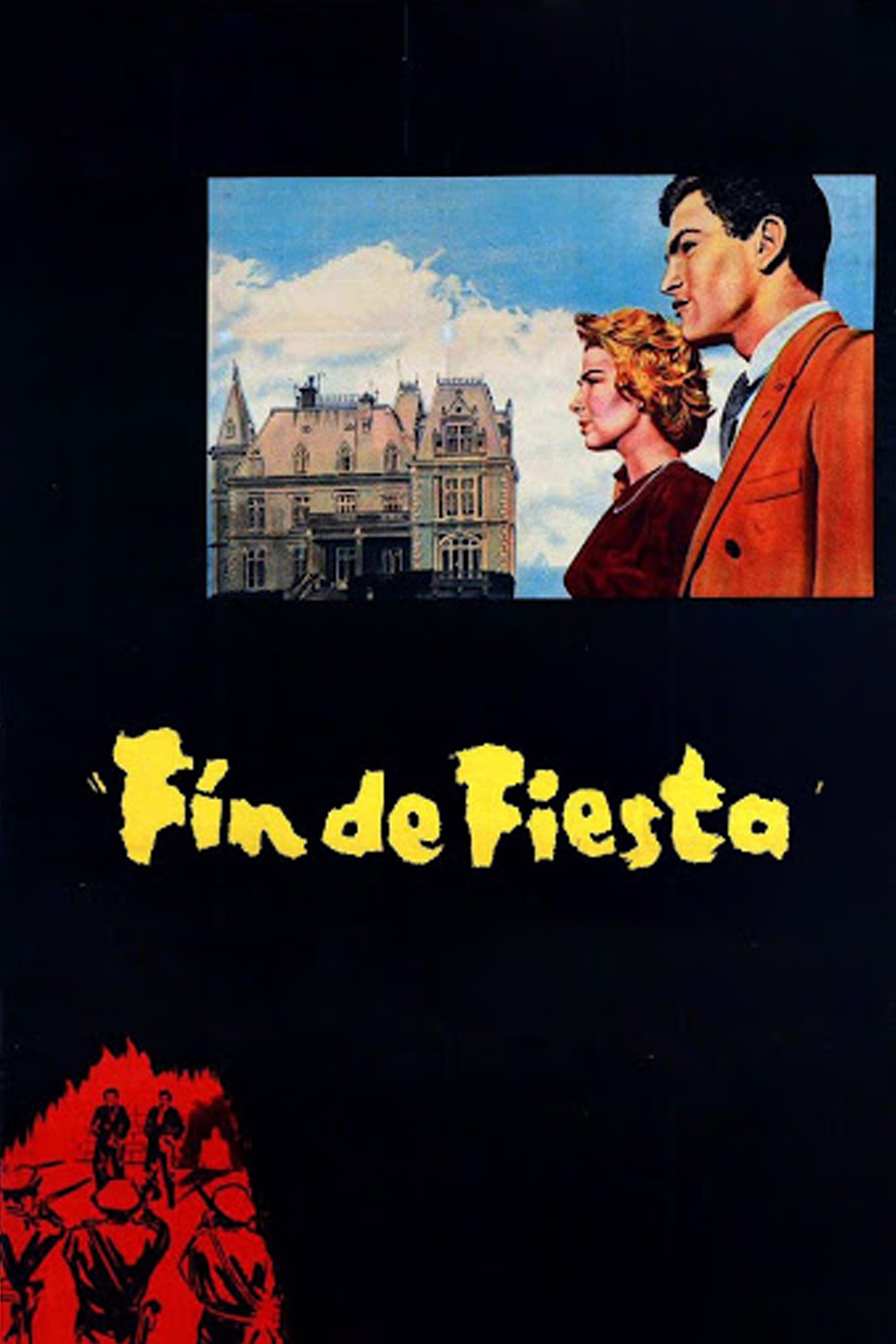
Fin de fiesta
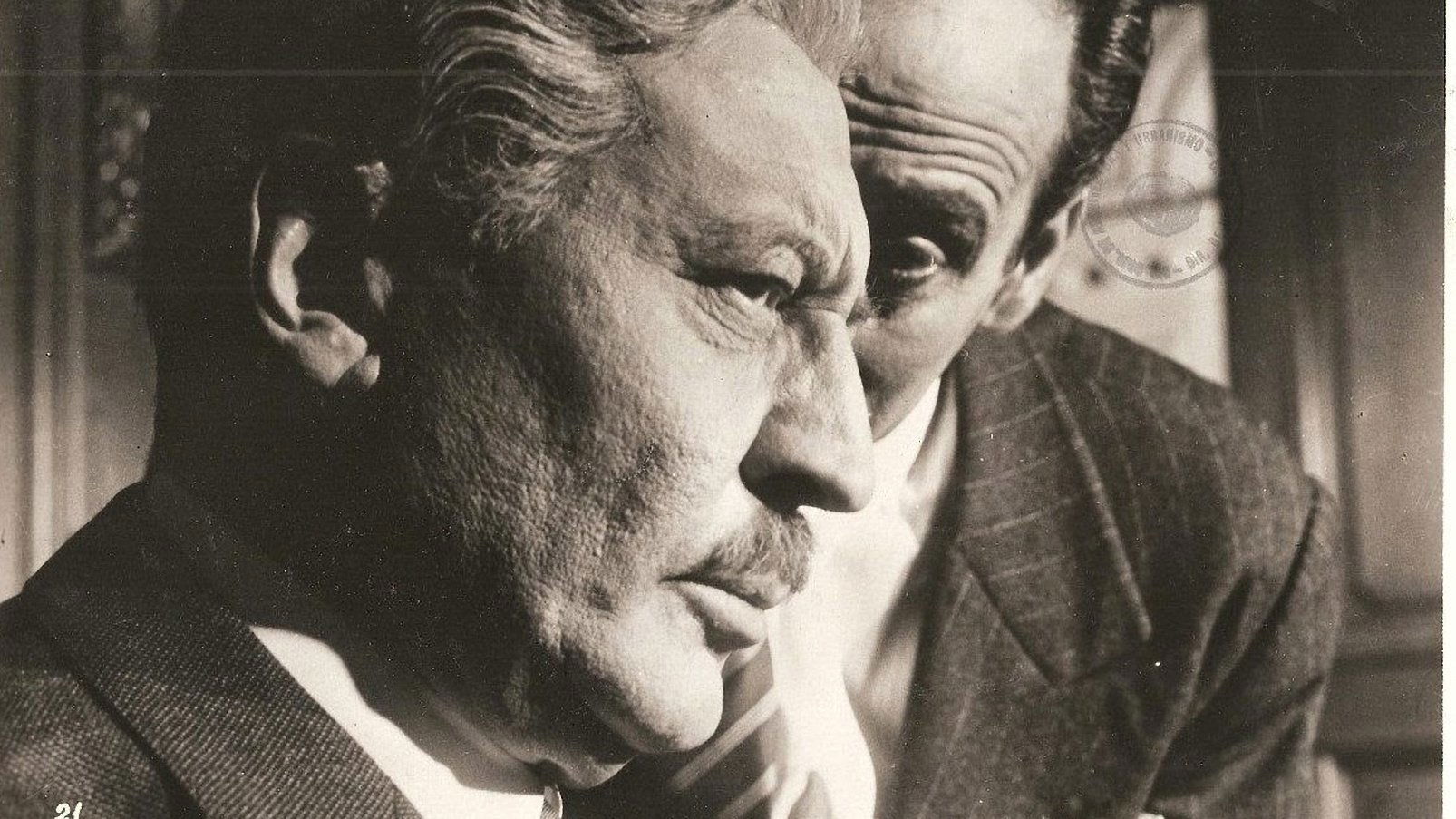
This routine drama set in Argentina during the 1930s draws parallels between a family patriarch and a political despot who stoops to any corrupt means to increase his power and wealth. The parallels are easy to make because the man is the same in both cases. The grandfather in the family has a rigid, tight-fisted control over his grandchildren, who eventually begin to rebel against his authoritarian and ironically puritanical behavior. At first, there is no real awareness of his opposite, criminal behavior outside the home. But as one of the grandsons begins to mature in his political savvy, the grandfather comes under well-deserved fire at last.
Insights
Plot Summary
A wealthy industrialist, driven by his social-climbing wife and his own insecurities, becomes entangled in a destructive love triangle. He finds himself drawn to a younger woman, leading to a series of events that threaten his marriage, his reputation, and his very life. The film explores themes of desire, jealousy, and the corrosive effects of wealth and societal pressure.
Critical Reception
Fin de Fiesta was recognized for its mature exploration of complex psychological themes and its stylish direction, marking a significant work in Argentine cinema of its time. It received critical acclaim for its performances and its unflinching portrayal of moral decay within a privileged social circle.
What Reviewers Say
Praised for its sophisticated melodrama and psychological depth.
Noted for its strong performances, particularly from the lead actors.
Considered a notable example of Argentine auteur cinema from the early 1960s.
Google audience: Information regarding Google user reviews for this film is not readily available.
Fun Fact
Leopoldo Torre Nilsson was a prominent figure in the New Latin American Cinema movement, and 'Fin de Fiesta' is often cited as one of his most significant early works, showcasing his distinctive visual style and thematic concerns.
AI-generated overview · Verify ratings on official sources