
Hotsake
Has some of the best acting I've ever seen in a film. You can taste the tension and anguish between the main character's loyalty for his lord and his son.
Movie spotlight
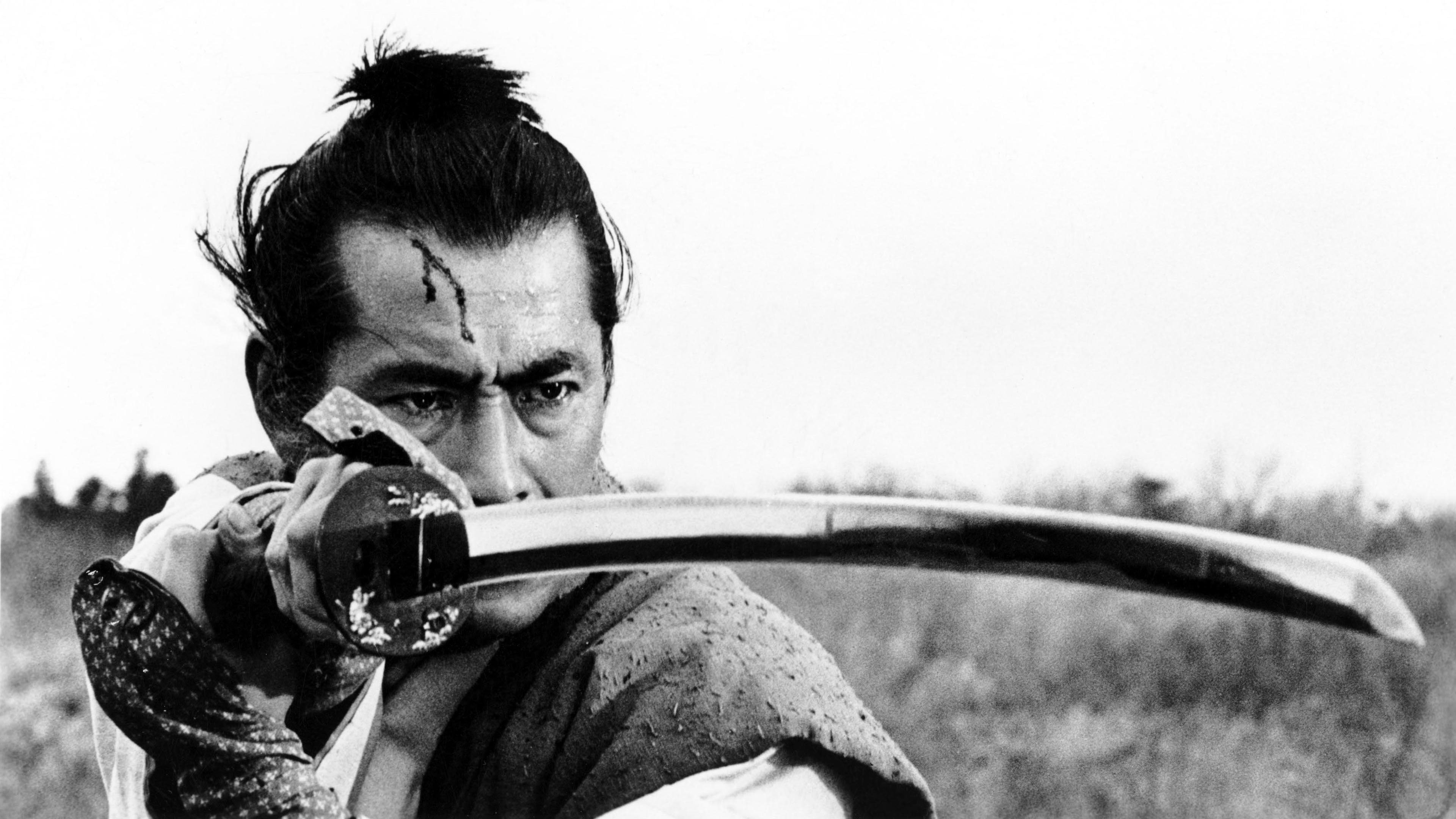
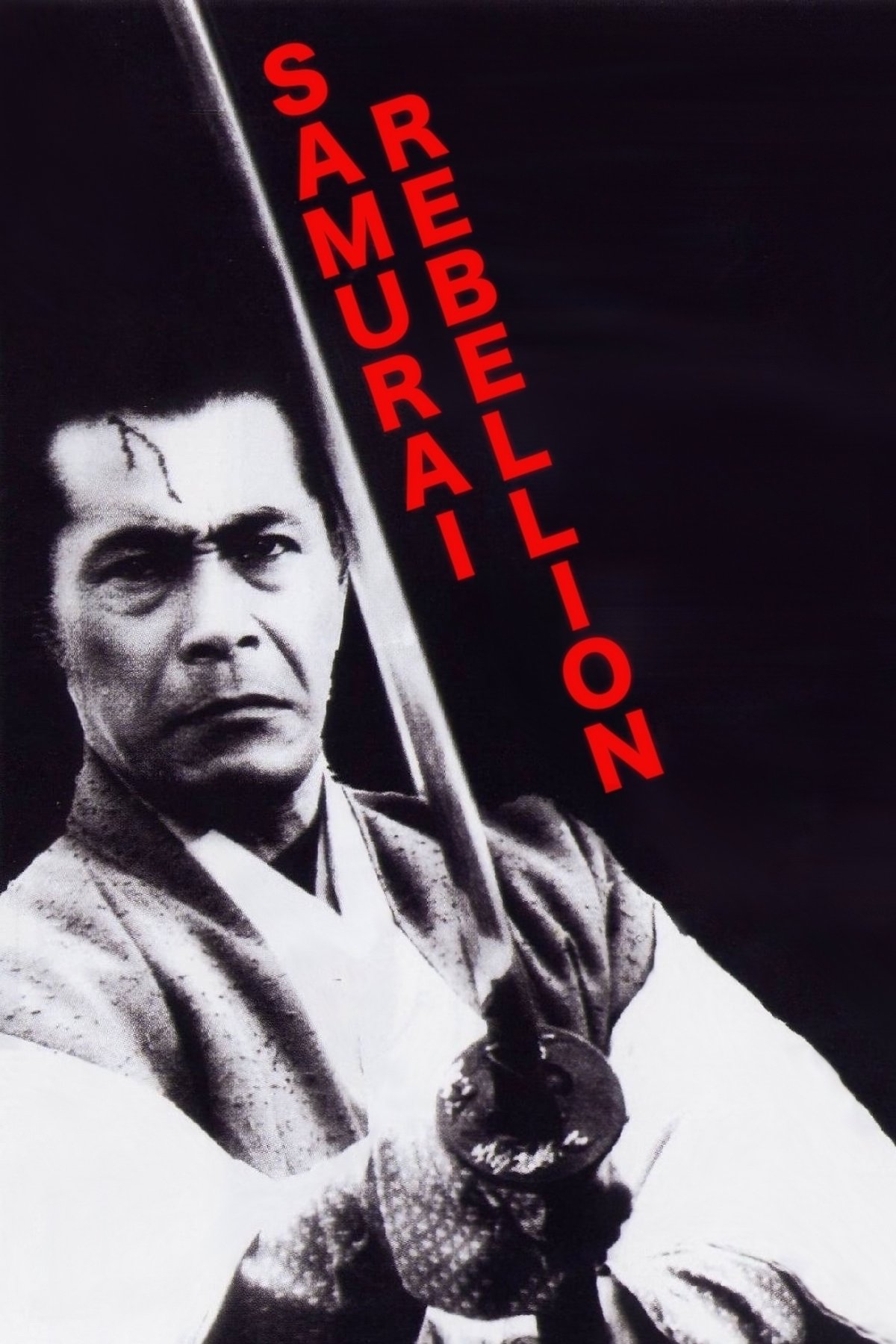
The mother of a feudal lord's only heir is kidnapped by the lord. Her husband and his samurai father must decide whether to accept the unjust decision, or risk death to rescue her.
In feudal Japan, a samurai's loyalty to his clan is tested when his lord demands he take his younger brother's disgraced wife as a concubine. The samurai and his wife defy the order, leading to a violent conflict that escalates into a rebellion against the corrupt clan leadership.
Samurai Rebellion is widely regarded as a masterpiece of samurai cinema, praised for its powerful performances, stunning visuals, and unflinching critique of feudalism and blind obedience. It is often cited as one of Masaki Kobayashi's finest works and a significant film in the jidaigeki genre.
Praised for its intense and visceral action sequences.
Celebrated for its complex characters and their moral dilemmas.
Recognized as a powerful anti-establishment and anti-war statement.
Google audience: Audience reviews highlight the film's epic scope, compelling narrative, and the magnetic performances of its lead actors, particularly Toshiro Mifune. Many appreciate its historical setting and the underlying themes of rebellion against injustice.
Nominated for the Palme d'Or at the 1967 Cannes Film Festival. Critically acclaimed upon release and has maintained a strong reputation since.
The film's stark depiction of rebellion against authority led to it being banned in Japan for several years after its release due to its perceived criticism of the Emperor system.
AI-generated overview · Verify ratings on official sources
Has some of the best acting I've ever seen in a film. You can taste the tension and anguish between the main character's loyalty for his lord and his son.