West Indies
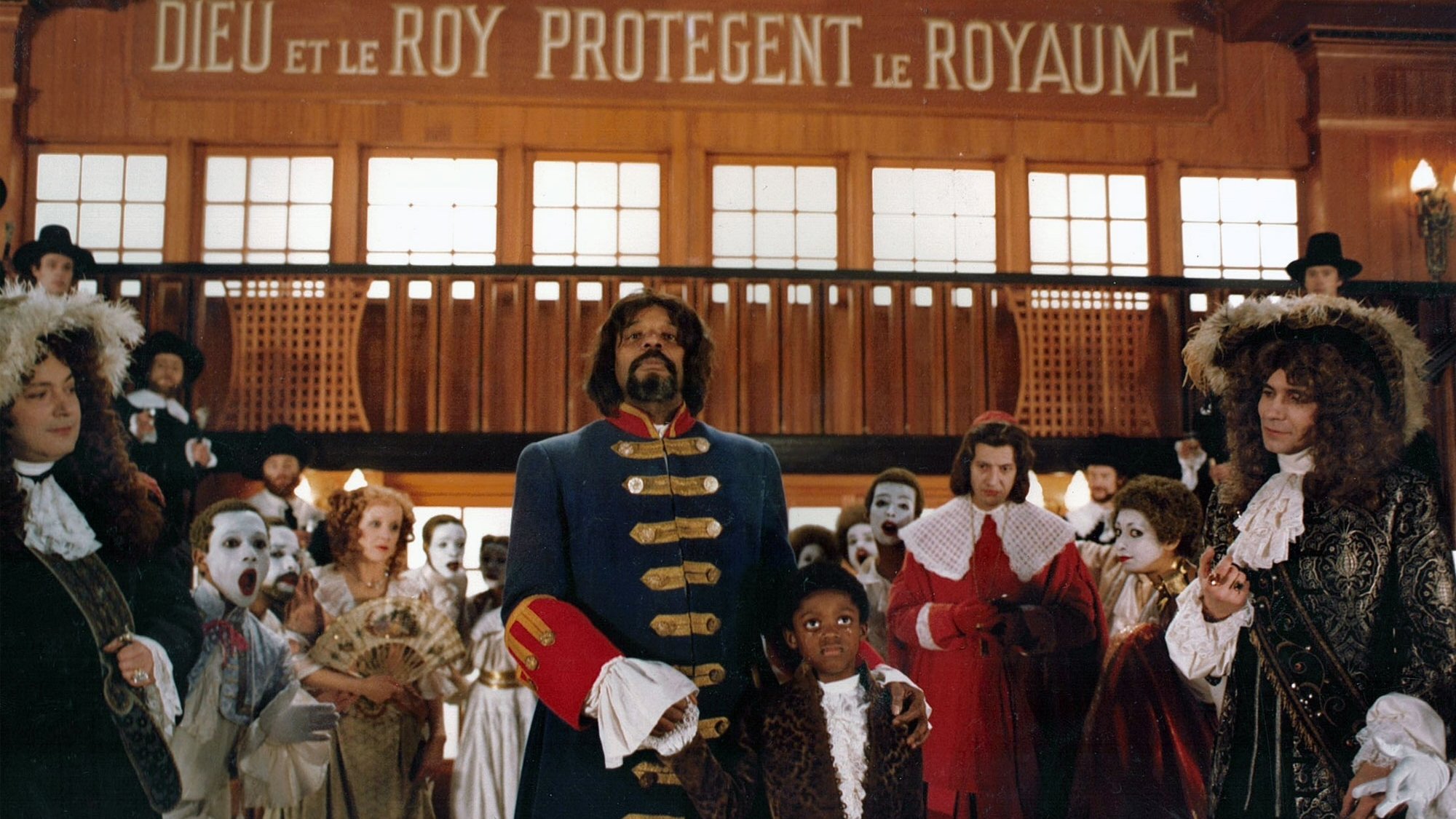
Aboard a giant slave ship in an abandoned Citroën factory, the history of the West Indies is traced through several centuries of French oppression. The ship becomes a stage for the people to tell stories via song and dance—from their enslavement to their displacement in Metropolitan France.
Insights
Plot Summary
This film chronicles the arduous journey of West Indian migrant workers to France to find employment. It highlights their struggles with exploitation, racism, and the harsh realities of labor migration, set against the backdrop of the French colonial era. The narrative weaves together personal stories and broader societal issues, exposing the systemic challenges faced by these individuals seeking a better life.
Critical Reception
Upon its release, 'West Indies' was recognized for its powerful portrayal of post-colonial migration and its indictment of labor exploitation. Critics lauded its ambitious scope and its ability to blend historical narrative with social commentary, though some noted its unconventional narrative structure. It has since been appreciated as a significant work in African and diasporic cinema.
What Reviewers Say
- Praised for its vital historical documentation of migrant experiences.
- Commended for its unflinching look at racism and exploitation.
- Acknowledged for its unique, often allegorical, filmmaking style.
Google audience: Information regarding specific Google user reviews for 'West Indies (1979)' is not readily available.
Awards & Accolades
Nominated for the Golden Palm at the Cannes Film Festival in 1979.
Fun Fact
The film is notable for its use of music and song to convey the emotional and historical weight of the West Indian experience.
AI-generated overview · Verify ratings on official sources