

Pulse
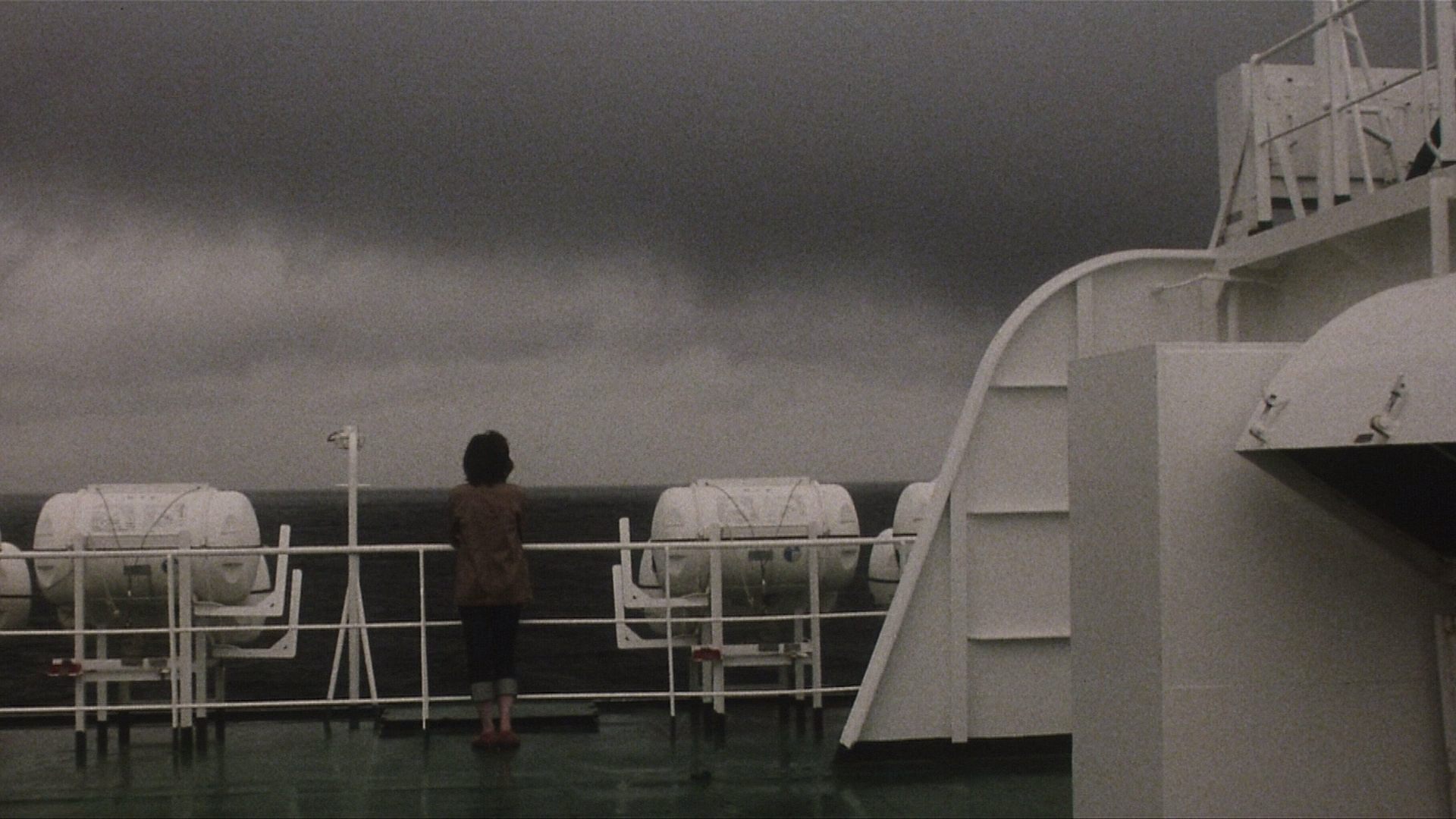
In the immense city of Tokyo, the darkness of the afterlife lures some of its inhabitants who are desperately trying to escape the sadness and isolation of the modern world.
Insights
Plot Summary
A mysterious force begins to affect people through their computers and mobile phones, leading to a wave of suicides and disappearances. As the phenomena escalate, a group of survivors tries to understand the nature of this digital 'ghost' and its intentions before it consumes humanity entirely. The film explores themes of isolation, technology's role in modern life, and the fear of the unknown in an increasingly connected world.
Critical Reception
Pulse is widely regarded as a masterpiece of modern horror, lauded for its atmospheric dread, unsettling visuals, and profound commentary on the anxieties of the digital age. Critics praised its slow-burn tension and unique approach to the supernatural, though some found its pacing and ambiguous narrative challenging.
What Reviewers Say
- Critically acclaimed for its terrifying atmosphere and existential dread.
- Praised for its groundbreaking exploration of technology and isolation.
- Recognized for its unique and disturbing visual style.
Google audience: Viewers found Pulse to be a deeply unsettling and thought-provoking horror film, appreciating its unique approach to supernatural terror and its commentary on the isolating nature of technology. Some found it slow, but generally, audiences were impressed by its pervasive sense of dread and originality.
Awards & Accolades
Won the FIPRESCI Prize at the Cannes Film Festival in 2001.
Fun Fact
Director Kiyoshi Kurosawa stated that the film's themes of technological isolation were inspired by observing people using mobile phones and computers in public spaces, feeling disconnected even when surrounded by others.
AI-generated overview · Verify ratings on official sources