IMDb7.2/10
Rotten Tomatoes100%
Director: Paul Leni•Genres: Horror, Fantasy, Anthology
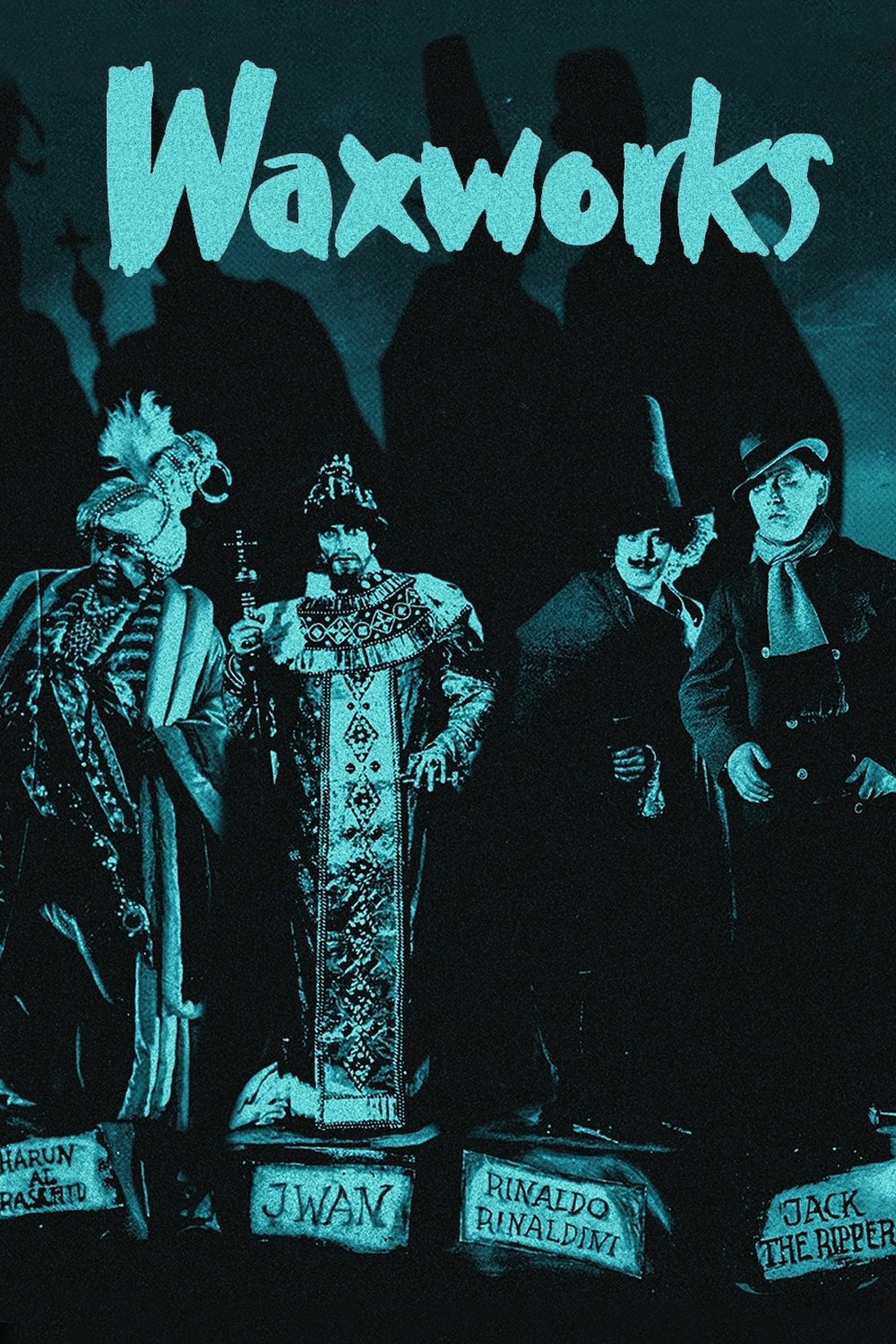
A poet hires a matchstick vendor to entertain his daughter with tales of historical figures. He weaves three fantastical stories: Caliph of Baghdad, Ivan the Terrible, and Jack the Ripper, each featuring the same actors in different roles and culminating in perilous encounters. The vendor's storytelling blurs the lines between reality and fantasy, leaving the daughter captivated and the poet questioning the nature of his hired entertainer.
Waxworks was a significant achievement in German Expressionist cinema, lauded for its innovative visual style and ambitious storytelling. While its narrative structure might feel episodic to modern viewers, its artistic merit and the performances, particularly from Emil Jannings, were widely praised by critics upon release and continue to be appreciated for their contribution to horror and fantasy filmmaking.
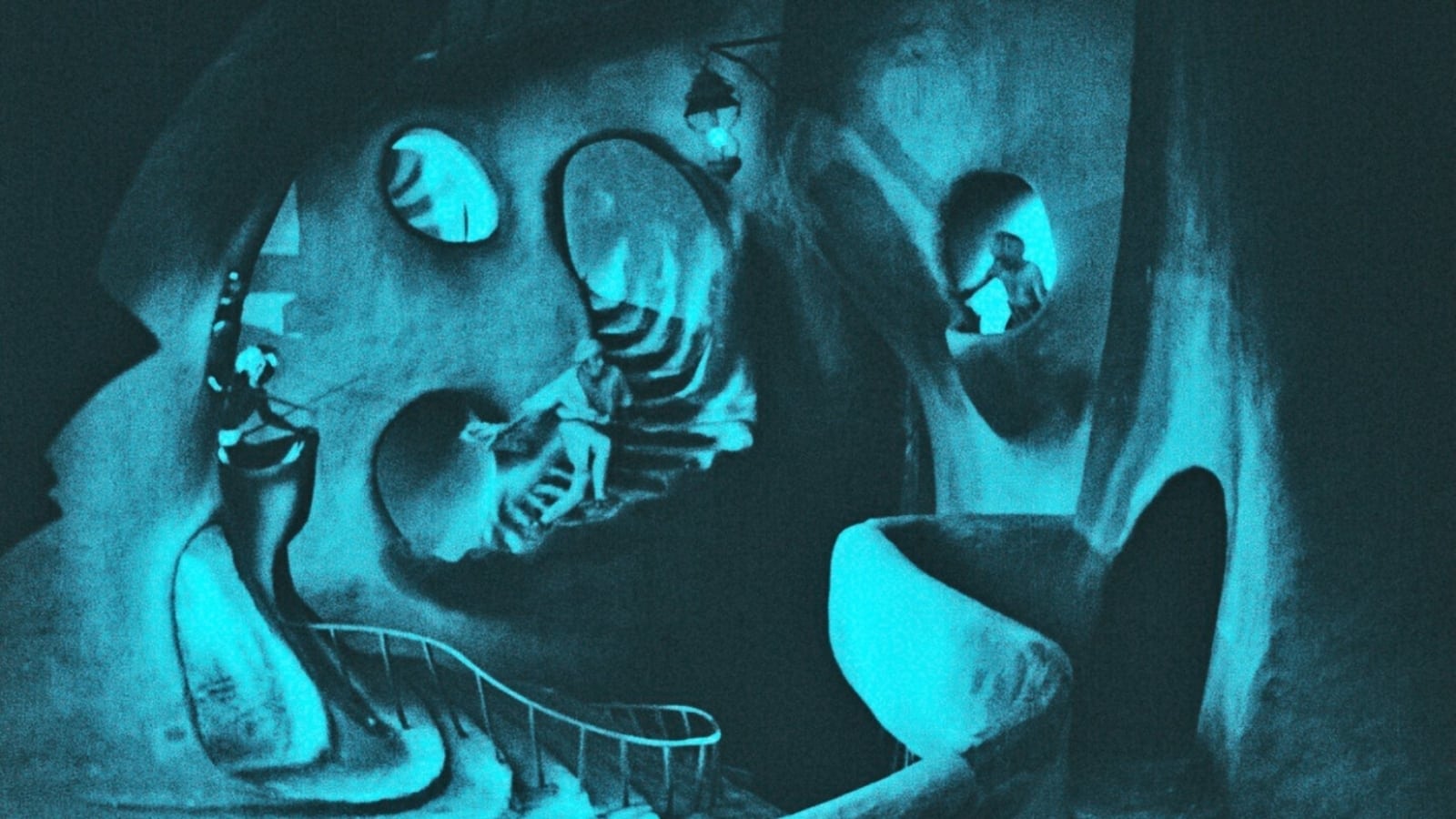
Praised for its striking German Expressionist visuals and imaginative set designs.
Emil Jannings' versatile performance across multiple characters is a standout element.
The film's anthology structure offers varied and often chilling tales.
Google audience: Information on Google user reviews for this silent film is not readily available.
The film's director, Paul Leni, was so influential that he was brought to Hollywood shortly after its success, where he would go on to direct classics like 'The Cat and the Canary' and 'The Man Who Laughs'.
AI-generated overview · Verify ratings on official sources