
Movie spotlight
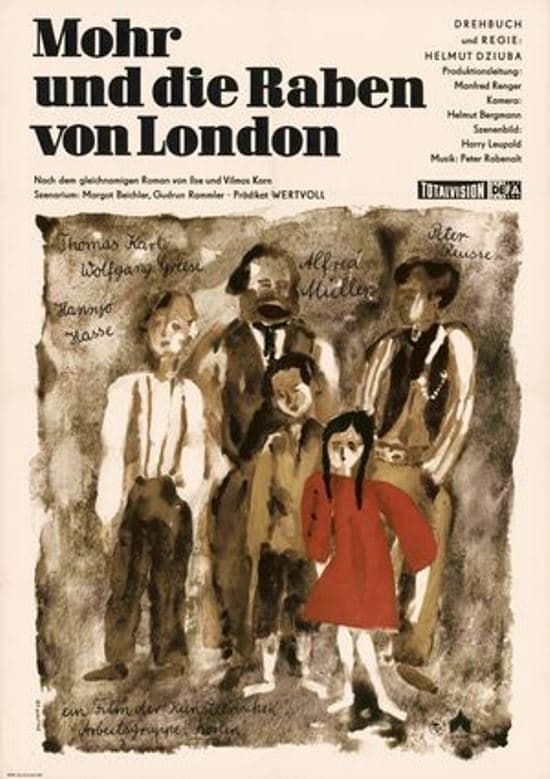
Mohr und die Raben von London
London in 1856. Karl Marx is living in exile in the British capital. One day, "Mohr", as Marx is called by his friends, meets the 13-year old worker′s son Joe. The boy works every day for twelve hours in a spinning mill and even has to work night shifts although that violates current rules. Marx tries to end the illegal activities of the spinning mill owner and one night shows up at the mill together with an inspector. But his foray is undermined by a robbery by the rebellious raven gang that is led by Joe′s brother Billy. The spinning mill owner of course takes this chance to blame his young workers for the theft. But Marx is not let astray and does not stop to fight against child labour. Furthermore, he tries to get the members of the raven gang back on the straight and narrow – with success.
Insights
Plot Summary
The film follows the story of a young West German man who is drawn into the radical political scene in London during the late 1960s. He becomes involved with a group of activists and becomes increasingly disillusioned with the societal norms and political structures he encounters. The narrative explores his journey of self-discovery and political awakening amidst the backdrop of counter-culture movements and social unrest.
Critical Reception
Information on the critical reception of 'Mohr und die Raben von London' is scarce due to its relatively obscure nature and limited distribution outside of Germany. It is generally considered a product of its time, reflecting the political and social anxieties of the late 1960s. Contemporary reviews, where available, often noted its earnest attempt to capture the spirit of student activism and anti-establishment sentiments.
What Reviewers Say
Captures the Zeitgeist of late 1960s political activism.
Explores themes of alienation and radicalization.
A lesser-known but historically relevant film of its era.
Google audience: As this film is not widely available or discussed by general audiences on platforms like Google Reviews, there is no specific summary of Google user feedback. Its audience is likely limited to film scholars and enthusiasts interested in German cinema of the 1960s.
Fun Fact
The film was made by German director Horst Flick and reflects the broader European trend of politically charged cinema emerging in the late 1960s, inspired by student protests and counter-cultural movements.
AI-generated overview · Verify ratings on official sources