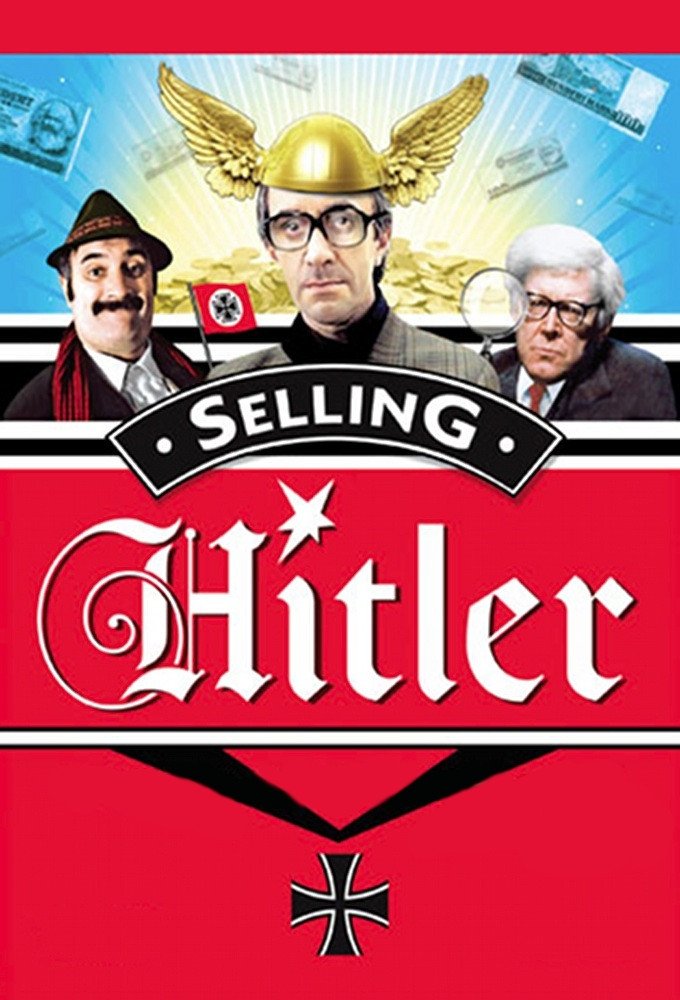
Selling Hitler
In 1981, Gerd Heidemann, a war correspondent and reporter with the German magazine Stern, makes what he believes is the literary and historical scoop of the century: the personal diaries of Adolf Hitler. Over the next two years, Heidemann and the senior management figures at Stern secretly pay 10 million German marks to a mysterious 'Dr Fischer' for the sixty volumes of 'Hitler's diaries'. However, to the dismay of all, it is discovered after the publication of first extract that the diaries are crude forgeries, faked by Stuttgart criminal Konrad Kujau.
Insights
Plot Summary
This three-part British television drama chronicles the infamous 1983 forgery of Adolf Hitler's diaries. The story follows the elaborate scheme to create and sell the fake diaries, highlighting the absurdity and greed involved in the deception. It delves into the motivations of the individuals behind the forgery and the media frenzy that ensued.
Critical Reception
Selling Hitler was a critically acclaimed miniseries, praised for its sharp wit, excellent performances, and satirical take on media sensationalism and historical revisionism. It successfully blended dark humor with dramatic tension, making it a memorable portrayal of a bizarre historical event.
What Reviewers Say
- Praised for its dark humor and satirical edge.
- Applauded for strong performances, particularly from David Suchet.
- Noted for its clever deconstruction of media hype and historical exploitation.
Google audience: Information on Google user reviews for this specific miniseries is not readily available.
Fun Fact
The miniseries was based on the true story of the Hitler Diaries hoax, a real-life event that captivated and scandalized the world in 1983.
AI-generated overview · Verify ratings on official sources