
Movie spotlight
Divine Intervention
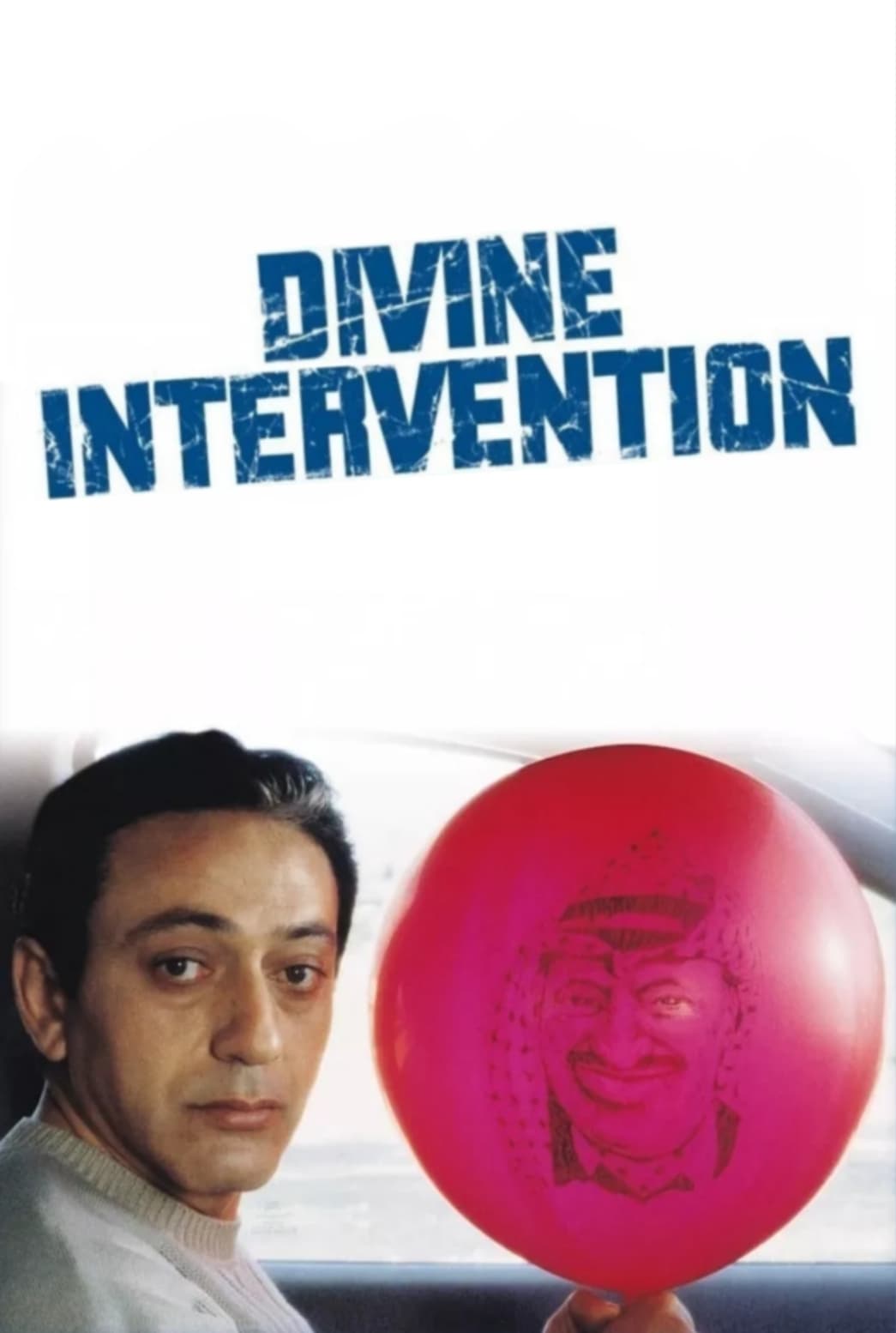
Santa Claus tries to outrun a gang of knife-wielding youth. It's one of several vignettes of Palestinian life in Israel - in a neighborhood in Nazareth and at Al-Ram checkpoint in East Jerusalem. Most of the stories are droll, some absurd, one is mythic and fanciful; few words are spoken. A man who goes through his mail methodically each morning has a heart attack. His son visits him in the hospital. The son regularly meets a woman at Al-Ram; they sit in a car, hands caressing. Once, she defies Israeli guards at the checkpoint; later, ninja-like, she takes on soldiers at a target range. A red balloon floats free overhead. Neighbors toss garbage over walls. Life goes on until it doesn't.
Insights
Plot Summary
Filmmaker Elia Suleiman returns to his Nazareth hometown and finds himself increasingly estranged from his family and the political realities of the occupied territories. The film follows his observational journey, blending surreal humor with poignant social commentary as he navigates life, love, and the absurdities of his environment. Through a series of vignettes, it explores themes of identity, resistance, and the search for connection amidst occupation.
Critical Reception
Divine Intervention was widely acclaimed by critics for its unique blend of absurdist humor, striking visual style, and profound political commentary. Reviewers praised Elia Suleiman's distinctive voice and his ability to convey complex emotions and socio-political realities through non-traditional storytelling. The film was recognized for its artistic merit and its contribution to contemporary cinema dealing with the Israeli-Palestinian conflict.
What Reviewers Say
Praised for its distinctive visual style and surreal humor.
Commended for its unique and impactful approach to political commentary.
Lauded for its thoughtful exploration of identity and belonging.
Google audience: Google users largely appreciated the film's artistic vision and its ability to provoke thought through unconventional storytelling. Many found the blend of humor and drama effective in conveying the complexities of the situation. Some viewers noted that the film's deliberate pacing and unconventional narrative may not appeal to everyone, but its overall artistic merit and message were highly regarded.
Awards & Accolades
Jury Prize at the Cannes Film Festival (2002), FIPRESCI Prize at the Cannes Film Festival (2002)
Fun Fact
Director Elia Suleiman appears as a fictionalized version of himself in the film, using his own name and often observing the world from behind his camera.
AI-generated overview · Verify ratings on official sources