
Movie spotlight
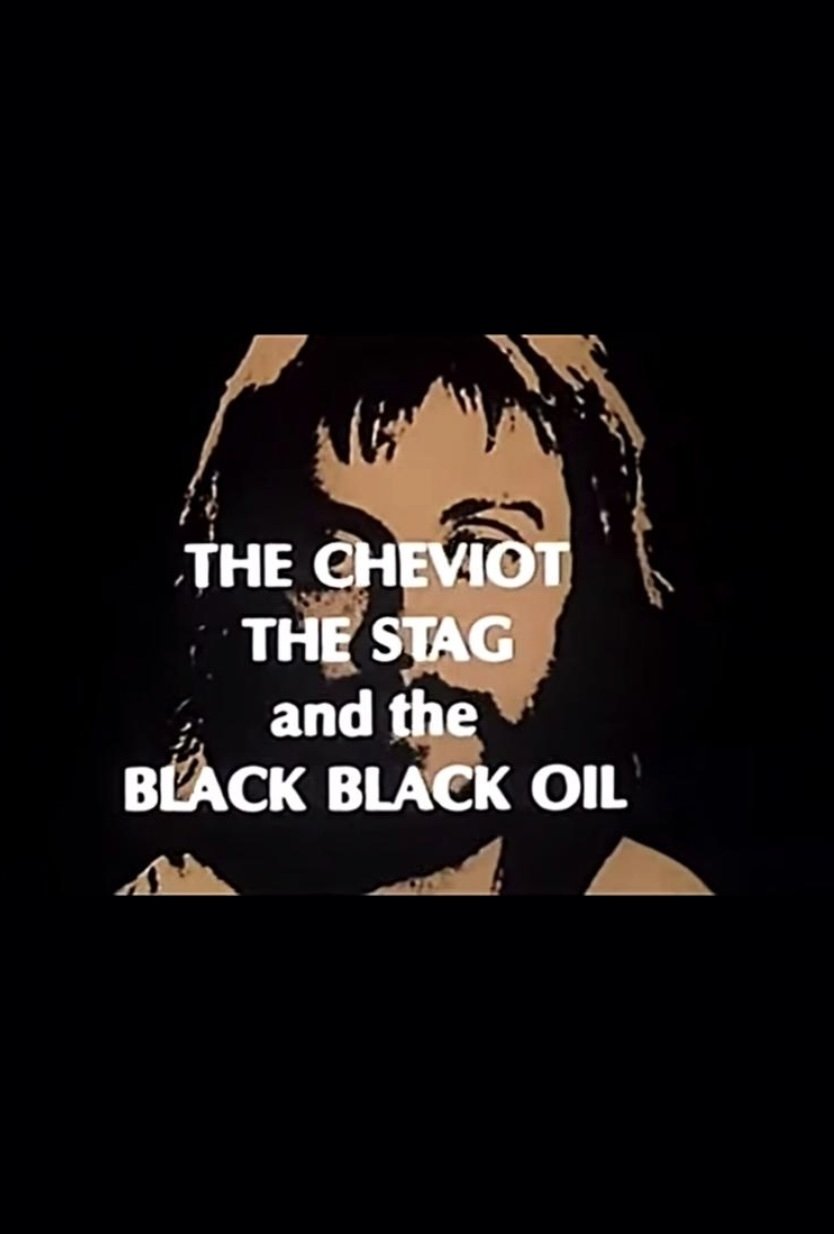
The Cheviot, the Stag and the Black, Black Oil
In their songs, comedy and exuberant music, a travelling theatre company give a fiercely polemic account of Scottish history, from the aftermath of Culloden to the oil boom. Their production before a live audience is intercut with filmed reconstructions of the Highland Clearances and the Victorian obsession with hunting stags.
Insights
Plot Summary
This groundbreaking Scottish television documentary dramatizes the history of land ownership and the exploitation of natural resources in the Scottish Highlands and Islands. It begins with the Highland Clearances and moves through the Cheviot sheep farming era, the stag hunting era, and finally the impact of oil exploration. The film uses a mixture of historical footage, re-enactments, and interviews to explore the complex social and economic issues faced by the local communities.
Critical Reception
Widely regarded as a seminal work in Scottish documentary filmmaking, 'The Cheviot, the Stag and the Black, Black Oil' was acclaimed for its powerful political commentary and innovative storytelling. It resonated deeply with audiences for its portrayal of historical injustices and contemporary struggles in the Highlands and Islands, becoming a significant cultural touchstone.
What Reviewers Say
Praised for its unflinching examination of land and power in Scotland.
Lauded for its unique blend of documentary and dramatic re-enactment techniques.
Recognized as a vital piece of social history and political critique.
Google audience: While specific Google user ratings are not readily available for this historical documentary, its enduring legacy suggests a strong positive reception among those who have engaged with it, likely appreciating its critical perspective on Scottish history and social issues.
Fun Fact
The film was originally commissioned by the BBC but was considered too politically radical and controversial for broadcast at the time, leading to its initial screening on an independent channel and subsequent acclaim.
AI-generated overview · Verify ratings on official sources