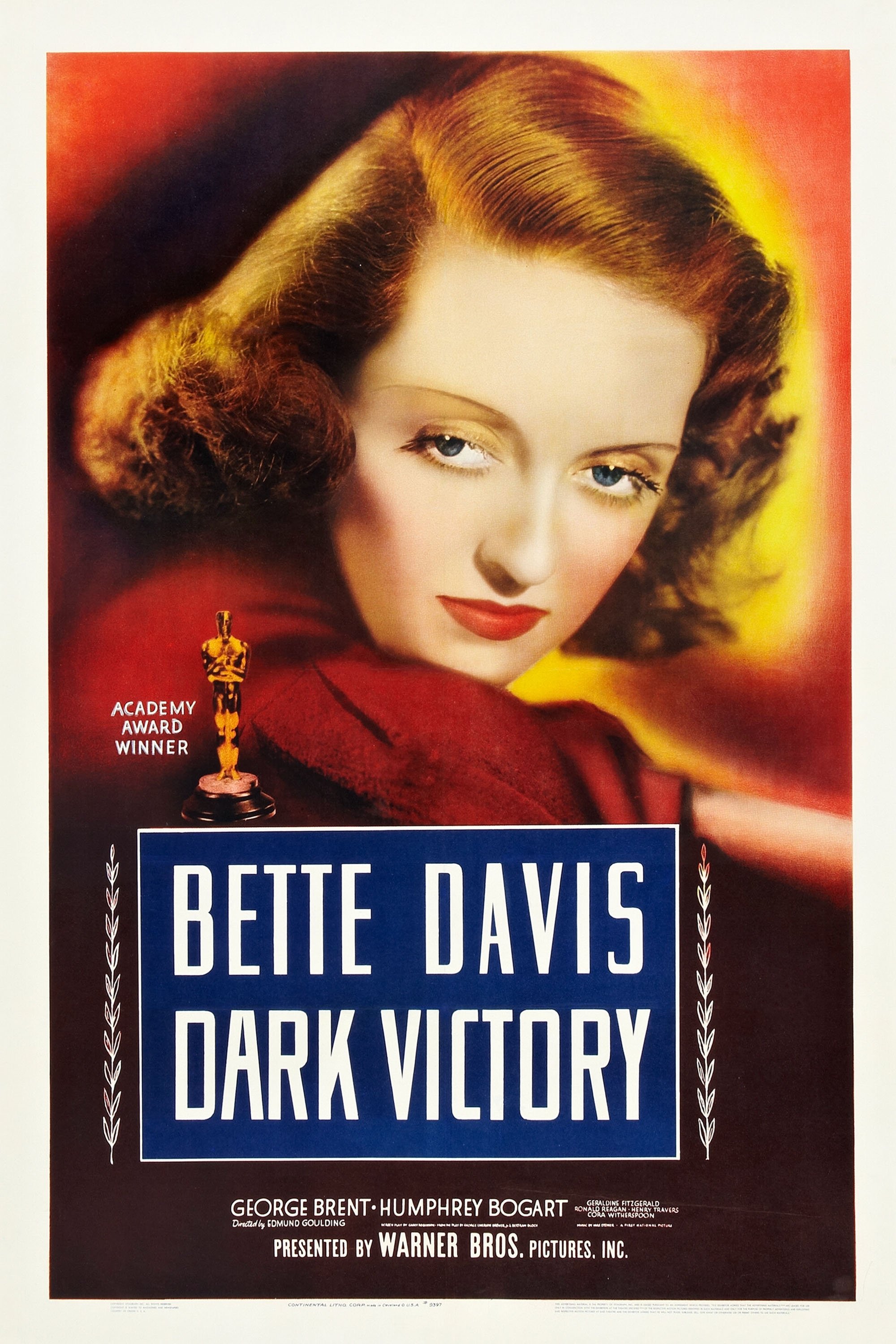
Director: Edmund Goulding•Genres: Drama, Romance
A wealthy, independent socialite learns she has a fatal brain tumor and has only a short time to live. While coming to terms with her mortality, she falls in love with her doctor, who hides her diagnosis from her. She eventually discovers the truth and must decide how to spend her remaining days, facing the profound implications of her illness on her relationships.
Dark Victory was a critical and commercial success, lauded for its powerful performances, particularly Bette Davis's, and its emotional depth. It was considered a prime example of the melodrama genre and solidified Davis's status as a leading dramatic actress.
Bette Davis delivers a tour-de-force performance that carries the film.
The film is a highly emotional and effective melodrama.
Its themes of love, mortality, and sacrifice resonate strongly.
Google audience: Audience reviews often praise Bette Davis's impactful portrayal of a woman facing terminal illness, highlighting the film's emotional resonance and classic Hollywood melodrama style.
Nominated for the Academy Award for Best Picture. Bette Davis was nominated for Best Actress.
Bette Davis's iconic final scene, where she hallucinates her deceased sister, was originally intended to be much longer but was cut down to its current length, contributing to its impactful brevity.
AI-generated overview · Verify ratings on official sources