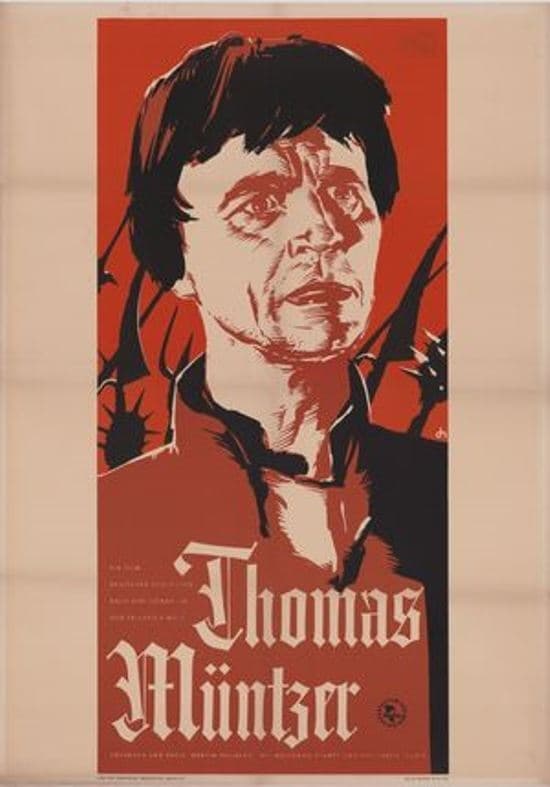
Thomas Müntzer
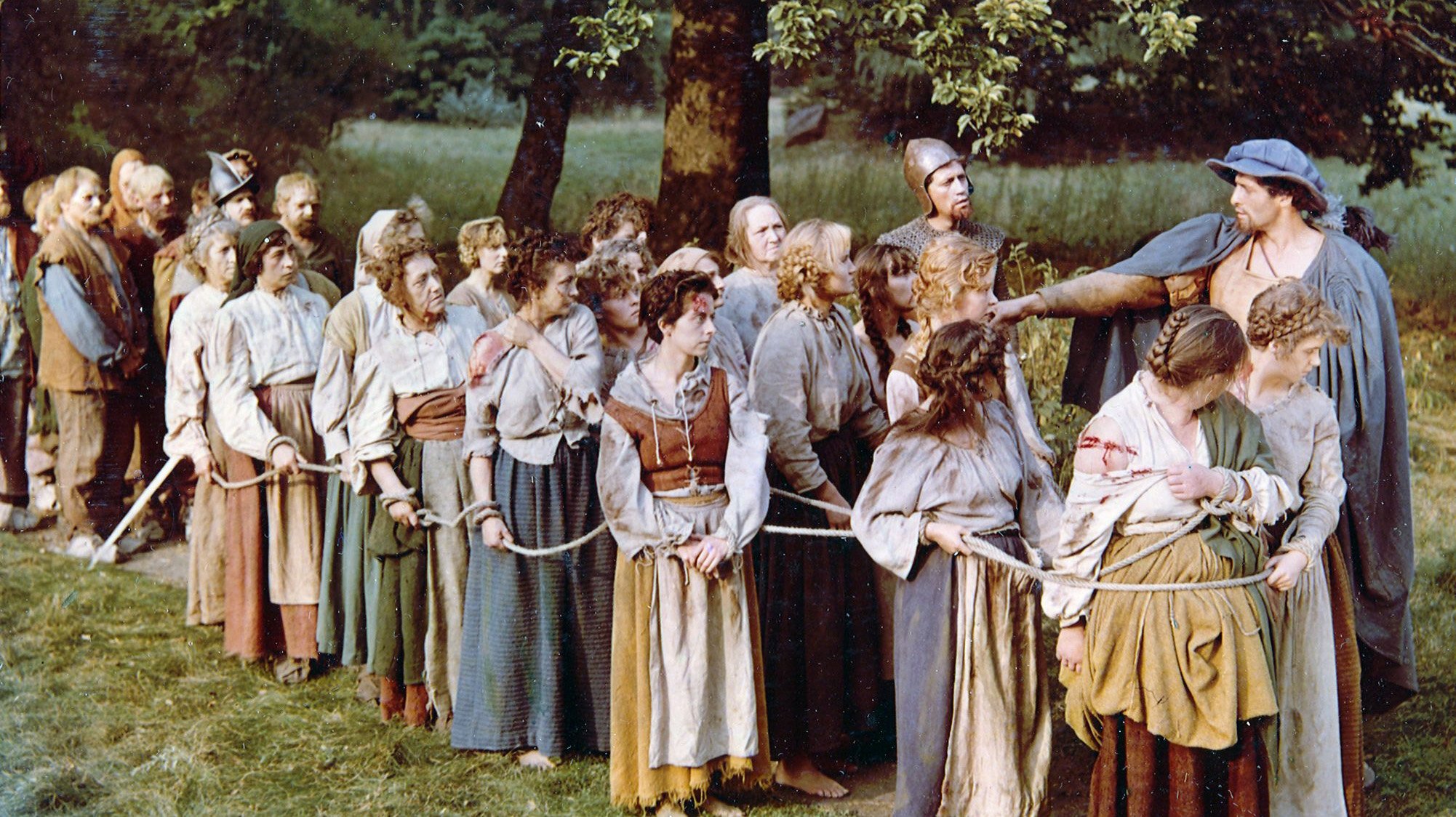
In 1523, young Thomas Müntzer arrives with his wife Ottilie in the Thuringian village Allstedt to assume the rectorate. As a follower of Luther′s teachings, he finds in the Bible not only reasons for clerical, but also for secular reforms. But when Luther turns away from the rural population after a discord with Müntzer, it is Müntzer who becomes the peoples′ spokesman. He is forced to go to Southern Germany, where he convenes with revolting farmers. But his way leads him back to Thuringia. In 1525, he and Heinrich Pfeiffer form the centre of the Thuringian peasant uprising in Mühlhausen, but their success is diminished by the fact that peasants and craftsmen don′t seem to be able to work together. In Frankenhausen, Müntzer becomes the leader of a peasants′ army that is set to fighting the ruler′s army – and sustains a devastating loss. Müntzer is arrested and sentenced to death by decapitation for his insurgency.
Insights
Plot Summary
The film chronicles the life and revolutionary activities of Thomas Müntzer, a radical theologian and leader during the German Peasants' War of the 1520s. It depicts his passionate preaching, his growing conflict with Martin Luther and the established authorities, and his ultimate tragic confrontation with the princes. The narrative explores themes of faith, social justice, and the brutal consequences of rebellion.
Critical Reception
As a historical drama from the Eastern Bloc, 'Thomas Müntzer' was produced with a specific ideological lens, emphasizing the class struggle inherent in the Peasants' War. Critical reception outside of its initial context often focused on Andrzej Wajda's burgeoning directorial style and the film's ambitious scope, though it is less widely discussed than his later works.
What Reviewers Say
- A visually stark and ideologically driven depiction of a pivotal historical revolt.
- Wajda's early direction shows promise in handling epic historical narratives.
- The film strongly emphasizes the socio-political drivers behind the religious conflict.
Google audience: Information on Google user reviews for this film is not readily available.
Awards & Accolades
None notable internationally, though it was a significant production within Polish cinema of the era.
Fun Fact
Andrzej Wajda, the director, would go on to become one of Poland's most acclaimed filmmakers, known for his sweeping historical epics like 'Ashes and Diamonds' and 'Katyń'.
AI-generated overview · Verify ratings on official sources