
Movie spotlight
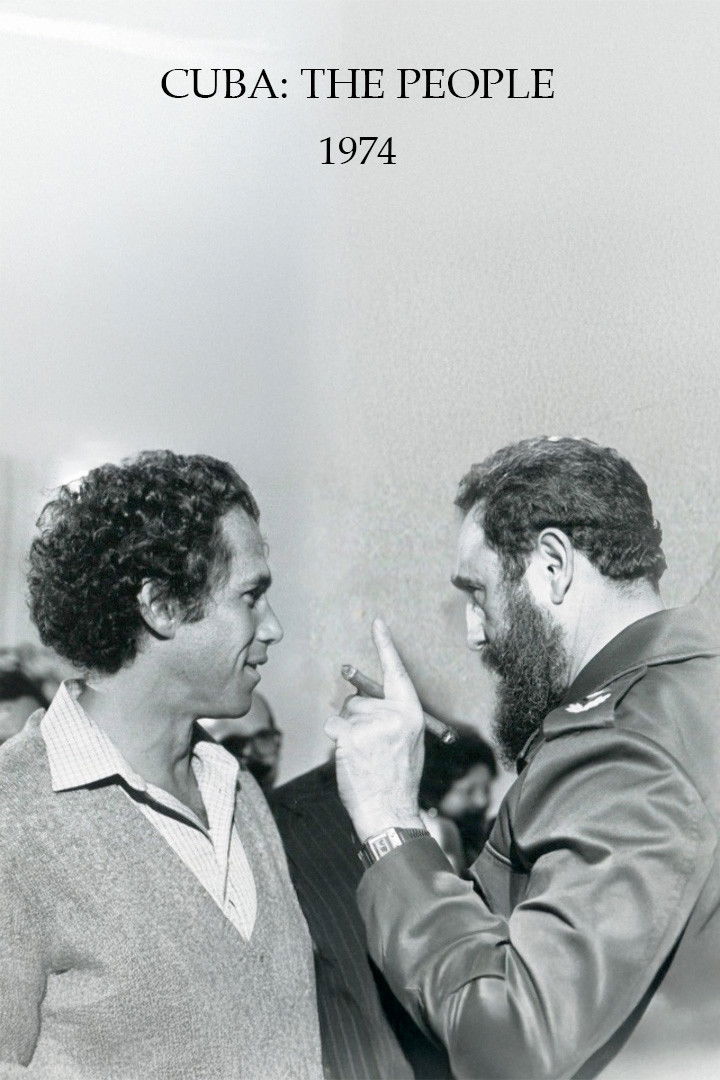
Cuba: The People
As the first American television crew allowed into Cuba since the 1959 revolution, filmmakers Jon Alpert and Keiko Tsuno travel across the island documenting daily life under Fidel Castro. Through interviews with farmers, workers, and families, the film offers a rare ground-level portrait of Cuban society fifteen years after the revolution.
Insights
Plot Summary
This documentary offers a glimpse into the lives of ordinary Cuban citizens in the mid-1970s, exploring their daily routines, work, and social interactions in the post-revolution era. It aims to present a portrait of the Cuban populace and their experiences under the socialist government. The film captures various aspects of Cuban society, from urban settings to rural communities, providing a broad overview of the nation's life.
Critical Reception
Critical reception for 'Cuba: The People' is limited in readily accessible modern databases. However, as a documentary from its era, it was likely viewed as an informative, albeit potentially biased, look at Cuban society. Films of this nature often aimed to present a specific perspective, and its impact would have been contextualized by the political climate of the time.
What Reviewers Say
Provides a snapshot of Cuban life during a specific historical period.
Offers insight into the social and economic conditions of the time.
May present a perspective influenced by the filmmaker's intent or the prevailing political narratives.
Google audience: Information regarding Google user reviews for this specific documentary is not available.
Fun Fact
As a documentary produced during the Cold War, 'Cuba: The People' would have been seen through the lens of differing international political viewpoints, potentially shaping its reception and interpretation significantly.
AI-generated overview · Verify ratings on official sources